Traditionally, the groom's family plans and hosts the rehearsal dinner. Today, the couple, both families, or a shared hosting group may plan it instead, while one or more people contribute to the cost.
You're probably dealing with this question because the wedding is close enough for relatives to start asking who's inviting whom, a parent has offered to pay without choosing a venue, or everyone assumes someone else is handling the details. That confusion is normal, but it's also preventable. The person paying and the person planning don't have to be the same person.
After coordinating rehearsal dinners around Central Texas, I've found that tradition matters less than a clean assignment of authority. Decide who owns the guest list, who books the venue, who approves the menu, and who runs the timeline. Once those decisions are written down, family contributions feel generous instead of controlling.
Table of Contents
- Who Plans the Rehearsal Dinner
- The Traditional Role of the Groom's Family
- Modern Hosting Models and How to Choose
- Planning Authority Versus Who Pays the Bill
- Coordinating the Rehearsal Dinner at Your Venue
- When a Welcome Party Works Better
- A Short Checklist for the Week Of
Who Plans the Rehearsal Dinner
The classic answer is the groom's family, particularly the groom's parents. Historically, they hosted the event before the wedding, and that custom remains the default in English-language wedding etiquette across the United States and other major markets. The Los Angeles Times' rehearsal-dinner guidance also reflects the modern alternative, where the couple, the bride's family, or both families may plan and host.
The practical answer is different: whoever accepts planning responsibility should receive decision-making authority. A parent who says, “We'll pay,” hasn't necessarily agreed to build the guest list, compare venues, track RSVPs, coordinate vendors, and manage the evening. Likewise, a couple that wants complete control shouldn't hand planning decisions to relatives simply because those relatives are contributing money.
Four arrangements work reliably:
- The groom's family fully hosts, including payment and planning.
- Two parties split the scope, with each owning a defined piece.
- The couple hosts, often because they're local, independent, or already managing the wedding.
- A shared group contributes, with each person assigned a specific responsibility.
Choose the model before speaking with venues. If you're considering a property such as Texas Old Town, the person handling venue questions should understand the event space, access window, catering policy, beverage arrangements, and day-of management. The venue's event manager responsibilities can help clarify which tasks belong to the venue team and which still require a family point person.
Practical rule: One person can receive money from several contributors, but one person must own the master plan.
A rehearsal dinner isn't difficult because the menu is complicated. It becomes difficult when three people approve the guest list, two people contact the caterer, and nobody knows who can make the final call. Assign that authority early, then let the tradition serve the family rather than dictate the workflow.
The Traditional Role of the Groom's Family
The groom's family traditionally hosts the rehearsal dinner as a gesture of welcome to the bride's family and the people closest to the couple. The custom developed alongside an older wedding-cost structure in which the bride's family handled the wedding reception, leaving the groom's family with a defined role before the ceremony.
That traditional role was broad. The groom's parents typically selected the location, created the guest list, sent invitations on behalf of the couple, and paid for the meal, drinks, and related extras. They might also organize toasts or present gifts to the couple and members of the wedding party.
The arrangement still appeals to families because it gives the groom's parents a visible way to participate. It can also prevent the bride's family from absorbing every pre-wedding expense, especially when that family is already carrying major wedding responsibilities. A rehearsal dinner hosted thoughtfully by the groom's family can feel like a genuine welcome rather than an obligation.
What the traditional host controls
If the groom's family is fully hosting, I recommend assigning them these decisions:
- Format: Decide whether the evening is seated, family-style, buffet, or relaxed cocktail service.
- Guest list: Approve the people included beyond the wedding party and immediate family.
- Venue: Select a location that fits the family's preferred atmosphere and practical needs.
- Budget: Set the spending ceiling before anyone signs a contract.
- Program: Approve speeches, gifts, entertainment, and the order of events.
The couple should still provide essential information. They know the wedding-party roster, dietary requirements, family sensitivities, and wedding-weekend schedule. They should also have veto power over anything that would make the evening uncomfortable or conflict with the ceremony rehearsal.
Does the custom still apply?
Yes, if the groom's family wants the role and can carry it comfortably. No, if everyone is using tradition as an excuse to avoid making a decision.
Modern etiquette is more flexible. The couple may host, the bride's family may host, or both families may share the work. The old default remains useful as a starting point, but it shouldn't override a family's finances, geography, relationships, or preferred level of involvement.
Modern Hosting Models and How to Choose
Pick the hosting model that matches your family dynamics, not the one that sounds most traditional. The important question is not only who pays. It's who has enough availability, confidence, and authority to keep the event moving.
Four workable models
The groom's family fully hosts. The groom's parents pay and plan, while the couple supplies the wedding details they need. This fits families who are eager to entertain, live near the wedding location, and want a clear pre-wedding role. The planning authority sits with the parents, though the couple should approve the final guest list and schedule.
The families split the scope. One family may pay for dinner while the other handles drinks, music, or a dessert reception. This works when both sides want involvement but prefer separate responsibilities. Don't split one decision between two owners. Give each party a complete area, with one person responsible for the final coordination.
The couple hosts themselves. The couple pays and plans, often because they're older, this is a second marriage, or their parents live far away. This is also practical for destination weddings, where the couple already understands the travel and venue logistics better than relatives. Contributing family members can offer help, but they shouldn't expect control unless the couple grants it.
A shared hosting group contributes. Parents, aunts, uncles, close friends, or other relatives may each take a defined piece. This model can work well for a large or blended family, but only if the couple names a lead planner. Without one, every small choice becomes a group discussion.
| Hosting Model | Who Pays | Who Plans | Best Fit For |
|---|---|---|---|
| Groom's family fully hosts | Groom's family | Groom's family, with couple input | Parents who want a defined role and can manage the event |
| Split hosts | Two families or other contributors by scope | Each party owns a separate area | Families that want shared participation without shared control |
| Couple hosts themselves | The couple | The couple or their coordinator | Couples who are local, independent, or managing a destination weekend |
| Shared hosting group | Several contributors | A named lead planner with delegated tasks | Blended families and broad support networks |
Make the decision before vendor calls
The hosting model affects every conversation with a venue, caterer, florist, rental company, or musician. A vendor needs to know who can approve a proposal and who can authorize a change. If that person isn't clear, the vendor will either wait or accept conflicting instructions.
Use a short written agreement:
- Lead planner: The person who maintains the master timeline.
- Financial approver: The person who confirms the budget and invoices.
- Guest-list owner: The person who approves invitations and tracks responses.
- Vendor owner: The person who communicates with the venue and suppliers.
- Day-of contact: The person guests and vendors call during the event.
That document can be informal. It just needs to exist before deposits are paid.
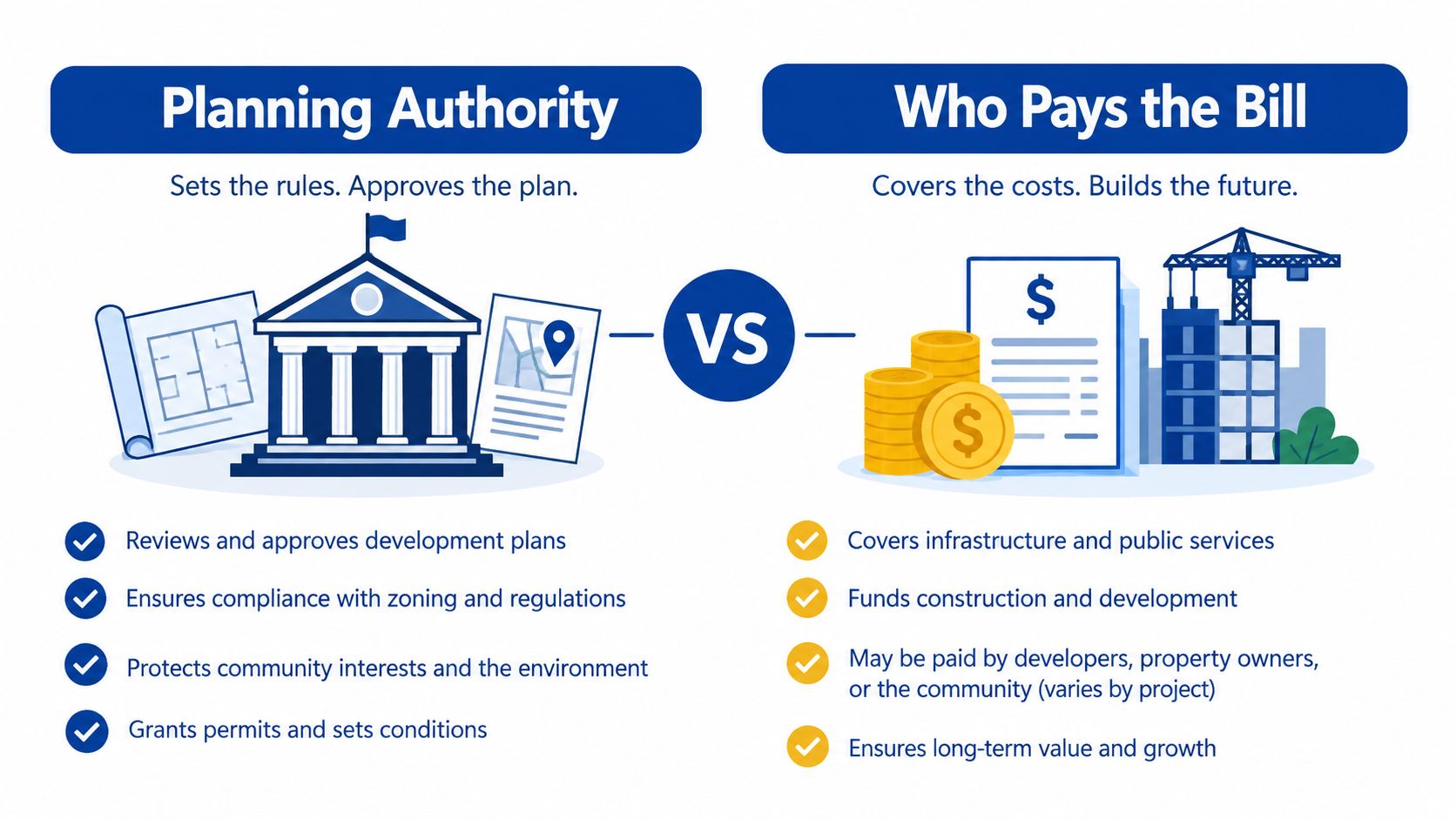
Planning Authority Versus Who Pays the Bill
The most common mistake is treating the person writing the check as the automatic planner. Money creates legitimate decision rights, but it doesn't automatically create the skills or availability needed to coordinate a venue, guest list, vendors, and timeline.
A contributor who pays should normally approve the budget ceiling, overall format, and final guest list scope. If someone funds the event, that person deserves clarity about what the money is purchasing. But day-to-day design decisions can belong to the couple or a coordinator.
Assign decisions by category
| Decision | Recommended owner | Why |
|---|---|---|
| Budget ceiling | Financial contributor or contributors | They need to approve the commitment |
| Guest list scope | Couple, with host approval | The couple knows who participates in the wedding |
| Venue selection | Lead planner, within the approved budget | One person must compare logistics and availability |
| Menu and dietary notes | Lead planner and caterer | The planner can collect information efficiently |
| Seating chart | Couple or lead planner | They understand family dynamics |
| Toasts and gifts | Couple | They know the intended emotional tone |
| Vendor arrival schedule | Lead planner and venue coordinator | A single timeline prevents conflicting instructions |
| Day-of troubleshooting | Designated point person | Guests need one clear contact |
The Texas Old Town wedding budget guide is useful for the broader principle: establish the financial limits before making detailed selections. A rehearsal dinner host shouldn't approve a venue first and discover later that catering, bar service, rentals, and gratuity exceed the amount anyone intended to spend.
Use clean lines when families co-host
Suppose the groom's parents fund the meal, the bride's parents offer to cover drinks, and the couple wants to choose the venue. That can work. Write it this way:
- Groom's parents approve the dinner budget and final meal.
- Bride's parents approve the beverage or entertainment budget.
- The couple chooses the venue, guest list, seating, and timeline.
- The coordinator or venue manager handles the event-day sequence.
Another arrangement may suit your family better. One family can own the guest list while the other owns venue and vendor coordination. What matters is that no task has two final decision-makers.
Tradition should shape the spirit of the evening. The host's generosity should shape the budget. The couple's knowledge should shape the people, schedule, and personal details. Those roles can coexist without conflict when everyone agrees who has the final say.
Coordinating the Rehearsal Dinner at Your Venue
A Hill Country venue requires more coordination than a restaurant table or private dining room. Guests may be driving from unfamiliar areas, the ceremony rehearsal may happen in a different part of the property, and weather can change an outdoor plan quickly. The person planning the rehearsal dinner needs a venue-specific sequence, not a generic checklist.
Start by confirming exactly what's reserved. Ask the venue coordinator to identify the building, patio, grounds, dining area, ceremony space, restrooms, parking route, and any indoor backup. “The venue” is not a complete answer. Your contract and event plan should show where guests will go at each stage.
Build the evening around the rehearsal
Schedule the ceremony walk-through so the wedding party can move directly into the social portion of the evening. A late-afternoon rehearsal often creates a natural transition into drinks and dinner, but your venue coordinator should confirm the actual timing, access, and property rules.
Then establish a hard ending. A clear close protects the next day's schedule, gives vendors a firm strike time, and keeps the event within the venue's noise requirements. Don't let speeches and informal drinks push the evening so late that the wedding party arrives exhausted.
Hand this sequence to the lead planner:
- Venue walkthrough: Confirm the reserved building, grounds, restrooms, parking, and weather backup.
- Rehearsal arrival: Tell the wedding party where to meet and who will check attendance.
- Guest transition: Mark the route from rehearsal space to cocktails or dinner.
- Service window: Confirm when the caterer can load in and when bar service ends.
- Program: Place welcome remarks, dinner, toasts, gifts, and closing announcements on one timeline.
- Departure: Identify the final guest contact and transportation plan.
Confirm food, beverage, and vendor rules
Ask whether the venue requires preferred vendors, permits outside catering, or limits outside food and beverages. Don't assume the rules for the wedding reception automatically apply to the rehearsal dinner. The caterer needs a load-in location, prep access, service time, cleanup expectations, and a contact who can make decisions.
For a Central Texas property, parking deserves specific attention. Send guests clear directions, add entrance signage, and arrange transportation if the rehearsal and dinner are separated by distance. If many guests are traveling, appoint someone other than the couple to greet late arrivals and answer practical questions.
The Austin rehearsal dinner venue guide can help couples compare venue considerations before they begin calls. At Texas Old Town, the published venue information describes four private halls, indoor and outdoor spaces, flexible catering, structured beverage arrangements, parking, and on-site event management. Treat those details as items to confirm for your date, not as substitutes for a planning conversation.
Prepare for the weather, not the forecast
Summer storms can force a fast move under cover. Decide in advance who can authorize that change, where tables will go, how guests will be notified, and whether the caterer can continue service indoors. A backup plan only works if the venue team, vendors, and point person have all seen it before guests arrive.
When a Welcome Party Works Better
A private rehearsal dinner isn't automatically the right event. If many guests have traveled from out of town, limiting the evening to the wedding party and immediate family may leave the rest of the group without a natural way to connect. In that situation, a welcome party can serve the weekend better.
A welcome party is broader and more casual. Guests can circulate, meet relatives, grab food, and learn the venue layout without the formality of a single seated meal. It suits couples who want the night before the wedding to feel social rather than like another formal program.
Choose the larger format when
- Travel dominates the guest experience: A broad gathering helps out-of-town guests feel included.
- The wedding party is small: There may be little reason to build a large formal dinner around a short rehearsal group.
- The groom's family has few local connections: A welcome party gives the couple a way to host guests beyond the traditional circle.
- The couple prefers movement: Food stations, drinks, and informal conversation may fit better than assigned seats.
- The budget needs broader reach: A casual format can distribute hospitality across more guests without creating a second formal reception.
The etiquette solution is straightforward. Keep the actual rehearsal dinner intimate, with the wedding party and immediate family, then invite a wider group to a welcome party. The smaller dinner may happen immediately after the rehearsal or earlier in the weekend, depending on the wedding schedule.
| Factor | Rehearsal Dinner | Welcome Party |
|---|---|---|
| Primary purpose | Host the people involved in the rehearsal and thank close family | Welcome a broader group of wedding guests |
| Guest list | Wedding party, immediate family, officiant, and other active participants | Friends, relatives, and travelers beyond the rehearsal group |
| Atmosphere | Intimate and structured | Casual, social, and flexible |
| Seating | Usually easier to organize around a meal | May use mixed seating, lounge areas, or standing service |
| Host responsibility | Coordinate the rehearsal and dinner sequence | Manage guest hospitality, arrival flow, and inclusive communication |
| Best use | A focused family and wedding-party gathering | A larger event for guests who need connection and orientation |
Don't call a welcome party a rehearsal dinner if the rehearsal group hasn't been properly hosted. The names matter less than the responsibilities, but the wedding party should know where they need to be, when they're expected to participate, and who is feeding them after the walk-through.
A Short Checklist for the Week Of
The week before the wedding is too late to debate who plans the rehearsal dinner. At this point, each task needs one owner and one confirmed answer.
Assign the final checks
- Venue coordinator: Confirm the rehearsal walk-through time, reserved spaces, indoor backup, parking route, and entrance signage.
- Lead planner: Send the final timeline to the wedding party, vendors, hosts, and venue team.
- Caterer or restaurant contact: Lock the headcount, dietary notes, service style, arrival time, and final menu.
- Financial host: Review the final invoice, confirm payment details, and prepare any gratuity envelope required by the agreement.
- Guest liaison: Assign one person to greet late-arriving travelers, answer directions, and handle hotel or shuttle questions.
- Program owner: Confirm every toast, speaker, gift presentation, and microphone requirement, then set firm time limits.
- Transportation contact: Verify pickup points, departure times, parking instructions, and the plan for guests who arrive independently.
- Venue point person: Confirm who can approve a weather move, vendor adjustment, or timeline change on the night.

The couple shouldn't be the emergency contact for every item. Their job is to attend the rehearsal, welcome people, give thanks, and enjoy the evening. The host should know the financial details, the lead planner should own the timeline, and the venue coordinator should know exactly who has authority to change the plan.
A rehearsal dinner succeeds when the generosity, decisions, and logistics point in the same direction. Settle those roles before the wedding week, and the event will feel like what it's meant to be: a relaxed welcome to the people helping you begin married life.
For a Central Texas rehearsal dinner, Texas Old Town offers private halls, indoor and outdoor event spaces, flexible catering options, beverage service arrangements, parking, and on-site management across its Hill Country property. Visit the venue to discuss which space, access plan, vendor setup, and hosting model fit your rehearsal dinner.