A birthday party can look simple on the invitation and still create a complicated production schedule behind the scenes. The host must coordinate the guest list, venue access, food, beverages, entertainment, weather plans, parking, special moments, and cleanup, often while family members and vendors work from different assumptions.
A reliable birthday party planning checklist should function as a timeline system, not a loose collection of reminders. Start with the decisions that affect every later task, then move toward confirmations, packing, setup, and follow-up. This guide runs from 12 or more weeks before the event through the week after it, with practical checkboxes, budget controls, vendor coordination prompts, a packing list, an email template, and a run-of-show format.
For Texas Old Town, confirm the selected hall, guest capacity, exclusive 8:00 a.m. to midnight rental window, indoor and outdoor options, PA systems, dressing suites, parking, prep kitchen, beverage rules, furniture, cleanup, and on-site management. Those details affect how guests arrive, where vendors load in, how activities flow, and who handles problems on the day.
Table of Contents
- 1. Select Venue and Confirm Capacity
- 2. Establish Budget and Secure Financing
- 3. Book Caterer and Confirm Menu Details
- 4. Arrange Beverages and Hire Bartending Service
- 5. Plan Entertainment and Activities
- 6. Coordinate Décor and Setup Requirements
- 7. Create and Distribute Invitations and Guest List
- 8. Arrange Photography and Videography
- 9. Confirm Logistics, Create the Event Day Timeline, and Plan Special Moments
- 10. Complete Post-Event Follow-Up and Gratitude
- 10-Point Birthday Party Planning Comparison
- Print the Checklist and Hand Off the Details
1. Select Venue and Confirm Capacity
A 75-person birthday party can feel cramped if the room must also hold a buffet, cake table, DJ, gifts, and activity stations. Start with the venue because its capacity, layout, access rules, and included equipment shape every later vendor decision.
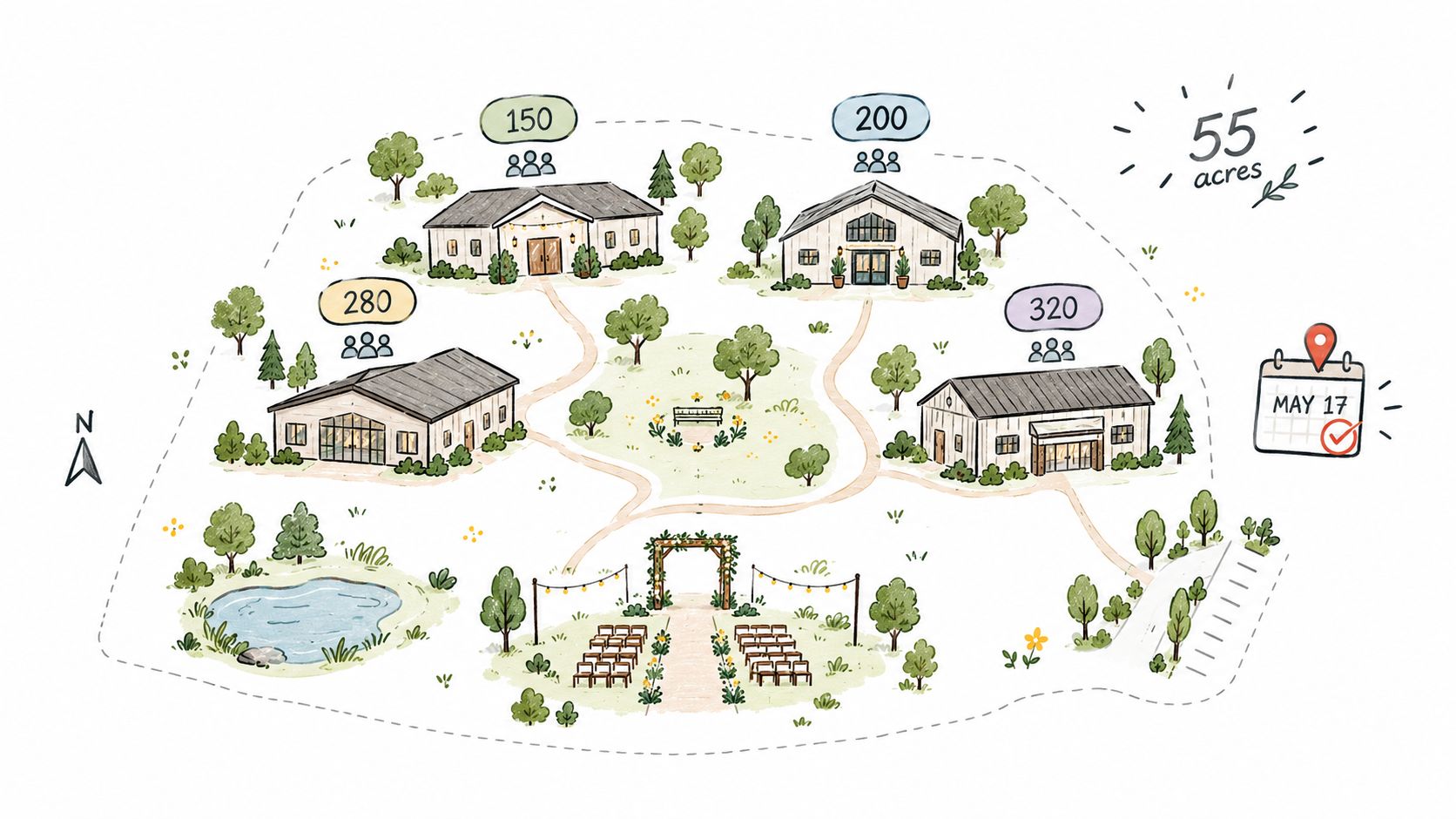
Texas Old Town offers four private halls with different capacities and styles. Tejas accommodates up to 320 guests and suits a large Texas-themed celebration with dancing. Sage and Stone each accommodate up to 300 guests. The rustic Redbud hall accommodates up to 150 guests and may suit a smaller, more intimate gathering. Review the Texas Old Town venues for up to 150 guests before choosing a room for a smaller celebration.
Match the hall to the event you are producing:
- Choose Redbud when a smaller guest list needs comfortable spacing without making the room feel sparse.
- Consider Tejas for a larger milestone celebration that needs a dance floor, entertainment setup, and clear guest movement.
- Compare Sage and Stone against the expected layout, not capacity alone.
Venue checks before signing
Walk through the event as a guest, vendor, and host. Record the answers in the master planning file, then use the approved floor plan for the catering order, décor brief, packing checklist, and run-of-show.
- Trace the guest route: Walk from parking to the entrance, restrooms, dining area, bar, activity stations, and outdoor spaces. Note congestion points and accessibility concerns.
- Request the floor plan: Confirm furniture counts and test whether the table arrangement leaves room for servers, activities, gifts, dancing, and comfortable movement.
- Confirm weather locations: Decide where guests will go if heat, rain, wind, or another weather issue affects outdoor plans.
- List included amenities: Get tables, chairs, PA access, dressing suites, prep-kitchen details, parking, and cleanup responsibilities in writing.
- Check service placement: Mark the buffet, bar, cake table, DJ or band, gift area, and activity stations before finalizing vendor plans.
- Save the approved version: Keep the hall name, capacity, layout, access instructions, venue contact, and open questions together with the printable packing prompts.
Capacity is a comfort decision as well as a legal limit. A room may hold the guest count and still feel crowded once furniture, food service, entertainment, and special moments are added.
Practical rule: Do not finalize catering, entertainment, or décor until you know where each service will physically go.
Planning lead time should match the booking risk. One planning guide recommends starting three to four weeks ahead for a kids' party at home, six to eight weeks for a booked venue, and 12 weeks for a milestone party with 50 or more guests. It also recommends adding two weeks for a surprise party and two to three extra weeks during the holiday season. Treat those timelines as minimum planning signals. Review the birthday party planning timeline before committing to a date.
2. Establish Budget and Secure Financing
Set the spending limit before comparing menus, entertainment packages, décor, or rentals. The number should cover the party without creating financial stress afterward. Divide it into committed costs, flexible costs, and a visible contingency reserve.
Start with five decisions that shape the rest of the plan: guest count, venue, catering format, beverage service, and entertainment. Décor can add personality, but it should not reduce the money available for food, staffing, venue access, or weather protection.
A 2026 industry summary reports average spending of over $1,185 for an adult birthday celebration and about $314 for a kids' party. It also reports that food and drinks account for 35% to 40% of the average party budget, while 33% of parents have gone into debt to fund birthday festivities. Use those figures as a warning to set a firm ceiling before expanding the guest list or approving upgrades. Read the birthday party budget guidance for the underlying context.
Turn the plan into a payment tracker
Use one shared spreadsheet for the family, planner, and vendors. A single record makes overdue deposits and scope changes visible.
| Track | Record |
|---|---|
| Budget category | Venue, food, beverages, entertainment, décor, photography, cake, rentals, transportation, and supplies |
| Estimated amount | Expected cost before a contract or approval |
| Committed amount | Contract value or approved quote |
| Paid amount | Deposits and installments already sent |
| Balance and due date | Remaining amount and required payment date |
| Owner | Person responsible for the decision or payment |
| Status | Requested, quoted, contracted, paid, or closed |
For Texas Old Town, request the current pricing sheet, payment schedule, deposit requirements, included services, and add-on charges before treating a quote as final. The venue provides quoted pricing, optional payment plans, and a package that can include standard amenities and cleanup. Use the event planning budget template to organize those questions and compare vendor commitments.
Keep contingency money separate from décor. Reserve it for a higher guest count, replacement rental, weather response, overtime, or a last-minute accessibility requirement. Review the tracker at each booking milestone, then update the printable packing prompts and run-of-show file with payment deadlines and responsible owners.
3. Book Caterer and Confirm Menu Details
A venue date is only half the booking. A caterer may be unavailable, unable to support the chosen service style, or unfamiliar with the property. Contact caterers soon after securing the hall, especially for a popular date or a menu requiring additional staff and equipment.
Texas Old Town lets clients choose their caterer and provides a prep kitchen with a separate service entry. Confirm the caterer's arrival time, kitchen access, food storage, service route, and breakdown plan with the venue manager. Add each handoff to the event timeline so the host is not left coordinating vendors during guest arrival.
Build the menu around service
Choose the service format before finalizing individual dishes:
- Buffet service: Gives guests choice and suits mixed-age groups. Plan queue space, food labels, serving utensils, and replenishment.
- Plated service: Creates a formal experience, but requires accurate seating assignments, meal counts, service timing, and close staff coordination.
- Stations or substantial appetizers: Keeps guests moving and talking. Provide enough seating and clear signs explaining what each station offers.
- Family-style service: Encourages interaction, though tables need sufficient surface space and staff must monitor replenishment.
Use the RSVP to collect allergies and dietary needs. Send the caterer written requirements for vegetarian, vegan, gluten-free, cultural, and other meals. Keep a discreet dietary note for the venue manager and catering lead. Do not rely on the host to explain sensitive information while the party is underway.
Schedule the tasting or menu consultation six to eight weeks before the event when the date allows. Confirm portions, presentation, children's options, dessert service, beverage pairing, kitchen access, and setup time. Record the decisions in the run-of-show file, then add labels, serving pieces, backup containers, and any special meal markers to the printable packing prompts.
Before signing, check that the contract states the final headcount deadline, payment terms, cancellation terms, service hours, and breakdown responsibilities. Keep the approved menu and dietary list with the vendor contacts, floor plan, service-entry instructions, parking rules, and venue manager's details.
The best menu is one the kitchen team can serve on time, at the correct temperature, with clear alternatives for guests who need them.
Walk through unloading, staging, serving, and clearing with the catering lead. A suitable menu can still create delays if equipment blocks the guest route or the team cannot reach the kitchen without crossing active party areas.
4. Arrange Beverages and Hire Bartending Service
Set the beverage plan before buying alcohol or signing a bar contract. Drinks affect licensing, staffing, refrigeration, ice, glassware, service time, guest safety, and cleanup. Match the menu to the guest profile and event length. A family party may need water, tea, coffee, and soft drinks. An adult milestone celebration may call for beer, wine, cocktails, mocktails, and a staffed bar.
Texas Old Town has a built-in beverage bar, follows a host-provided beverage policy, and requires an approved bartending company. Contact the venue for its current approved vendor list and requirements.
Build the bar plan
Ask the bartending company to confirm these points in writing:
- Service scope: Number of bartenders, bar setup, drink service, replenishment, and cleanup.
- Operating hours: Arrival, setup, guest service, last call, and breakdown.
- Insurance requirements: Liquor liability coverage and venue approval documents.
- Purchasing responsibility: Beverages supplied by the host and any items supplied by the bartender.
- Equipment: Ice, coolers, mixers, glassware, garnishes, non-alcoholic drinks, and waste containers.
- Service limits: How staff may refuse service, when the bar closes, and who gives the final instruction.
- Venue coordination: Loading access, preparation areas, parking, and the on-site manager's contact.
Use the final guest count to estimate quantities, then record the decisions in the run-of-show file. Add ice, coolers, cups or glassware, mixers, garnishes, water, labels, and waste bags to the printable packing prompts. Keep water easy to find, especially when guests spend time outdoors or move between the hall and gardens.
Do not leave alcohol arrangements to an informal agreement. Confirm what will be served, who supplies it, who serves it, when service ends, and which documents Texas Old Town requires. Reconfirm the policy and approved vendor details directly with the venue because they can change.
For an outdoor station, reserve shade and stable tables. Schedule ice delivery, provide waste containers, and keep the setup clear of accessible paths. Send the bartender the run-of-show, setup arrival time, and closing procedure, then request written acknowledgment before the event.
5. Plan Entertainment and Activities
Decorations create atmosphere, but activities create participation. A strong entertainment plan gives guests something to do when they arrive, a clear reason to move through the space, and a memorable peak that fits the birthday person's age and personality.
Research summarized by StudyFinds reports that 58% of surveyed parents identified the guest list, activities, and treats as the most important elements of a child's birthday success. That supports a useful planning priority: choose the guest mix and engagement plan before spending heavily on visual styling. See the survey summary about children's birthday parties.
Design the energy curve
A young child may need a structured activity and a quiet option. Teens usually need room to socialize, music that reflects their preferences, and an activity that doesn't feel childish. Adults may prefer dancing, lawn games, karaoke, storytelling, a slideshow, or unstructured conversation supported by comfortable seating and good sound.
Possible formats include:
- DJ and dancing: Strong for a milestone party, but the DJ needs a clear setup area, power, playlist guidance, and sound limits.
- Live band: Creates a distinctive atmosphere, though it needs more space, load-in time, power planning, and a weather backup outdoors.
- Interactive host: A comedian, performer, or game leader can carry the room, but the host must brief them on audience age, accessibility, and sensitive subjects.
- Activity stations: Crafts, lawn games, karaoke, or memory displays give guests options, but each station needs an owner and supplies.
- Quiet social areas: Seating away from the speakers helps older adults, young children, and guests who need a break from stimulation.
Texas Old Town provides indoor and outdoor PA systems, Bluetooth connectivity, and a wireless microphone. Confirm which system the entertainer will use and whether the provider needs additional equipment. Schedule the sound check before guests arrive, then test the microphone at the location where toasts, announcements, or the cake moment will happen.
Book a DJ or live act well ahead of a peak date. Put the music brief in writing, including preferred genres, do-not-play requests, special announcements, activity cues, and the final song. Assign someone other than the host to communicate with the entertainer during the event so the birthday person isn't pulled into technical decisions.
6. Coordinate Décor and Setup Requirements
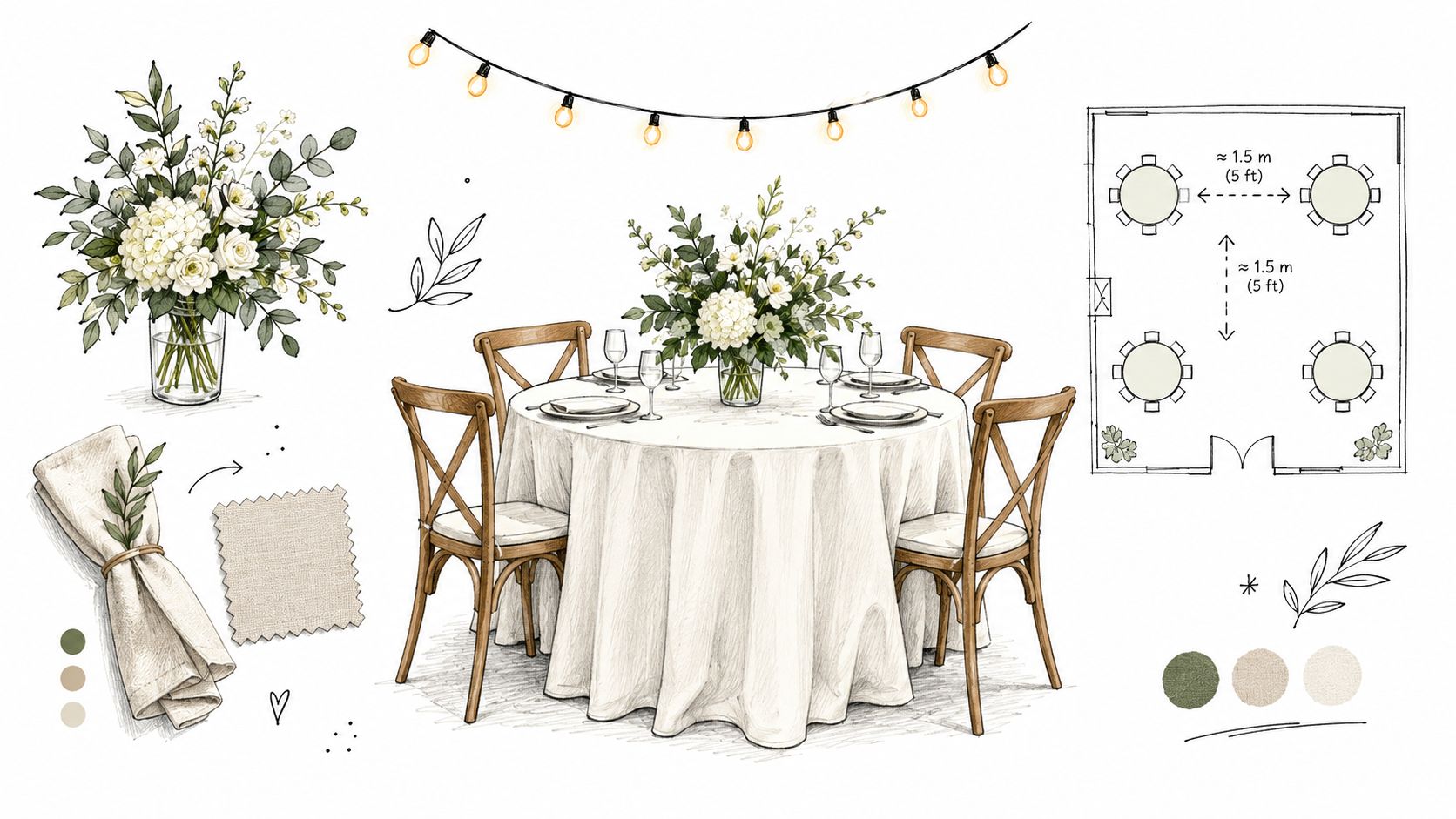
A décor plan should make the venue easier to use, not just add more items. Start with the selected hall's floor plan, furniture counts, and guest flow. Mark the cake table, gift area, welcome sign, photo location, food service, bar, entertainment zone, accessible seating, and any quiet area. Send the marked-up plan to the venue manager and décor provider before ordering materials.
Turn the décor plan into a setup timeline
Use the plan as a handoff document with clear ownership:
- Before delivery: Confirm the color palette, table assignments, centerpiece quantities, signage, linens, flowers, lighting, cake details, and favors.
- At arrival: Record who brings each item, where unloading happens, and who checks the delivery against the packing list.
- During setup: Set the arrival time, unloading window, installation sequence, final adjustment, and the person who approves the finished room.
- Before guests arrive: Walk the space for blocked paths, unstable displays, exposed cords, restricted attachments, and access to exits.
- After the event: State what gets packed, discarded, donated, taken home, or left for the venue's cleanup team.
Include material requirements in writing. Confirm flame-retardant standards, approved candles, anchoring methods, and restrictions on attaching décor to walls, ceilings, or furniture. Outdoor installations also need weights, tie-downs, wind protection, shade, and a move-inside plan.
Choose the design around the room's existing character. A rustic birthday party in Redbud may need only wildflowers, a welcome sign, and coordinated linens. A polished celebration in Stone may work better with restrained lighting and centerpieces than with an installation that competes with the hall.
Check the room at event lighting levels
For an evening event, test every important area from the guest's eye level. A centerpiece that looks attractive in daylight can block conversation or make menus hard to read after dark. Confirm that candles, uplighting, string lights, and extension cords follow Texas Old Town's venue and fire-safety rules.
Order birthday candle sets with holders early enough to check their size and presentation. Store candles, matches, lighters, cake tools, and serving pieces together in one labeled box, ready for the cake moment.
7. Create and Distribute Invitations and Guest List
A guest list change can affect the room, meal order, bar quantities, seating plan, accessibility response, supervision, and the number of people included in announcements or special moments. Treat it as a live planning record, not a list kept in someone's phone.
Start with the birthday person and anyone contributing financially. Record full names, household or family grouping, preferred contact method, child and adult details where relevant, dietary information, accessibility requests, RSVP status, and gift or arrival notes. Restrict sensitive details to the people who need them.
Build the invitation around decisions guests must make
Whether you use Evite, Paperless Post, a printed invitation, or a simple RSVP form, include:
- Event details: Birthday person, date, start time, end time, and Texas Old Town venue name.
- Location guidance: The venue's full address, parking instructions, and directions suited to guests traveling from Austin or San Antonio.
- Arrival expectations: Whether guests should arrive during a set window, whether parents stay, and where to check in.
- Dress and activity notes: Dress code, outdoor footwear, weather considerations, and anything guests need to bring.
- RSVP method: One trackable form, email address, or invitation platform instead of scattered informal replies.
- Dietary prompt: A clear field for allergies and dietary requirements.
- Special instructions: Surprise-party confidentiality, accessibility requests, parking information, or a requested arrival time.
For a booked venue, begin six to eight weeks ahead. A home kids' party can often begin three to four weeks ahead. Planning guidance reports typical attendance of 70% to 80% of invited adults and 50% to 65% of an invited school class, and recommends inviting about 25% more people than the desired headcount. Use those figures as a starting point, then plan from actual RSVPs and the confirmed venue capacity. Review the source guidance on invitations and attendance.
Turn replies into an event-day handoff
Set a response deadline, then follow up with nonresponders. Before the final count goes out, print or export the guest list and mark:
- confirmed guests and outstanding replies;
- dietary or accessibility requirements;
- children, parents, and supervision notes;
- arrival concerns, gifts, or surprise-party restrictions.
Close the RSVP list and send the final headcount to the caterer, bartender, venue manager, and seating lead. Add the list to the event-day folder with a short check-in prompt. An untracked text message should never become the only record of attendance.
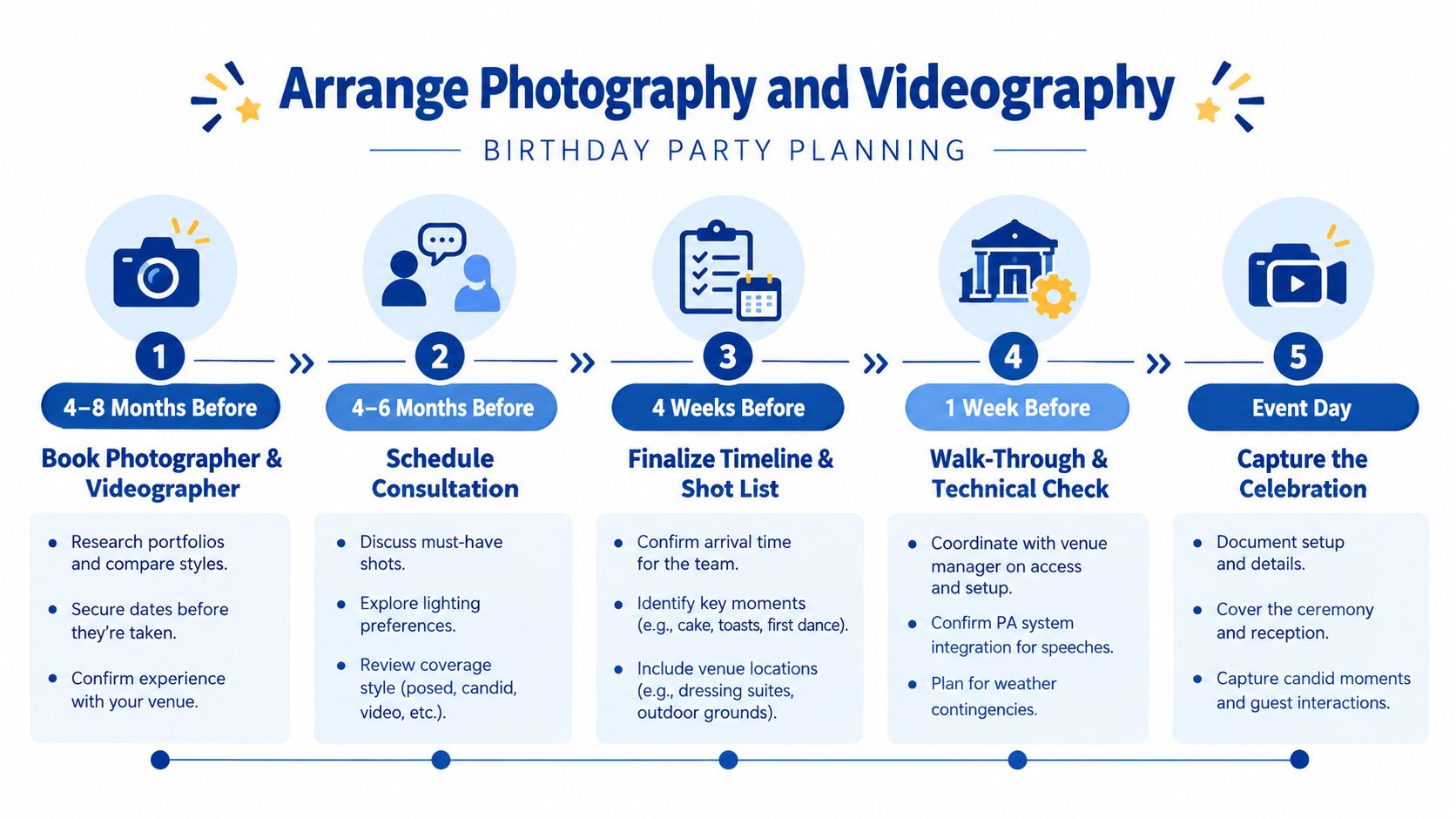
8. Arrange Photography and Videography
Photography works best when it follows the event design rather than trying to discover the event in real time. Before booking, identify the moments that matter to the birthday person and the people who need to appear in them.
For a milestone party, that may include family groups, a memory display, a toast, a cake moment, a dance, a presentation, or a surprise reveal. For a children's celebration, it may include activity participation, parent interactions, the group song, and candid moments between friends. A corporate birthday event may prioritize team photographs, branded details, speeches, and informal interaction.
Give the photographer a useful brief
Share the following before the event:
- Coverage window: Arrival, setup details if wanted, guest arrival, key program moments, and departure.
- Must-have groups: Names or descriptions of family groups, colleagues, friends, and the birthday person's closest guests.
- Priority moments: Toasts, cake, games, dances, presentations, surprise arrivals, and the final group photo.
- Location options: Dressing suites, outdoor ceremony areas, gardens, reception spaces, and any restricted areas.
- Lighting conditions: Indoor lighting, evening darkness, outdoor glare, and weather alternatives.
- Audio expectations: Whether the videographer needs a feed from the PA system for speeches or announcements.
- Delivery terms: Edited gallery, video format, expected delivery timing, prints, and ownership or usage permissions.
Walk the photographer through the property or provide the venue map. Texas Old Town's 55-acre Hill Country setting offers varied spaces, but distance and guest movement can affect coverage. A photographer shouldn't have to guess whether the next moment happens in the hall, on the grounds, or near the outdoor ceremony site.
Ask for a written contract covering hours, deliverables, payment terms, travel, overtime, cancellation, backup equipment, and replacement coverage. Assign a family member to gather people for formal photographs. That small role prevents the host from searching for relatives while also welcoming guests and managing the cake.
If the party includes a surprise, keep the photographer informed through a private channel and define exactly when they should begin recording. A good plan protects the surprise without leaving the photographer unaware of the cue.
9. Confirm Logistics, Create the Event Day Timeline, and Plan Special Moments
A late caterer, misplaced rental delivery, or weather change can disrupt the entire celebration. Put one person in charge of day-of decisions and give every vendor the same written run-of-show. It should show arrival times, setup locations, guest movement, announcements, service cues, and the response to delays or outdoor changes.
Texas Old Town provides an on-site venue manager. Appoint a separate family point person to handle host decisions, special instructions, guest questions, and communication with relatives. The venue manager oversees venue operations, while the family contact protects the host from becoming the event's help desk.
Assemble the schedule from fixed points
Set the immovable moments first: venue access, guest arrival, meal service, cake, entertainment, final announcements, and rental close. Add vendor arrival and setup windows, then allow transition time between activities. Record the location for every item, since a move between the hall, grounds, garden, bar, or outdoor site affects both timing and staffing.
Use these fields for each run-of-show entry:
- Time: Start and finish.
- Activity: What guests should experience.
- Location: Hall, bar, outdoor site, dressing suite, garden, or service area.
- Lead person: Family lead, venue manager, entertainer, caterer, or photographer.
- Vendor cue: Music start, microphone handoff, meal release, lighting change, or photography call.
- Contingency note: Indoor move, delayed meal, missing vendor, technical issue, or shortened activity.
Turn the party brief into information vendors can use. A structured questionnaire can capture the venue, invite count, invitation channel, accessibility needs, start and end time, budget per person, demographic mix, and insurance requirements. Its planning windows include six weeks for invitations and entertainment, four weeks for cake, décor, and rentals, two weeks for RSVP follow-up and final headcount, and one week for perishable shopping and DIY preparation. Use the event planning questionnaire framework.
Schedule a venue coordination meeting about four weeks before the event. Send the final timeline at least two weeks before the event, and request confirmation from every vendor. Before guests arrive, test the PA and wireless microphone. Brief the photographer and moment coordinator on surprise arrivals, family toasts, cake cutting, dances, rituals, and group photos. State who gives each cue and where participants should assemble.
Download a birthday party event day schedule template and adapt it to the selected hall. Add vendor and guest parking, service entry, kitchen access, furniture setup, décor installation, bar setup, weather decisions, cleanup, and the manager's phone number. Print the final copy for the host, venue manager, and key vendors.
10. Complete Post-Event Follow-Up and Gratitude
The event isn't finished when the last guest leaves. The post-event period closes financial obligations, protects relationships with vendors, preserves memories, and records information that will make the next celebration easier.
Before the party, prepare a simple thank-you list with guest names, vendors, family contributors, gifts where relevant, and meaningful moments to mention. After the event, collect cards, photographs, guest messages, and any notes from the day. A personalized message doesn't need to be long, but it should show that the recipient's presence or contribution was noticed.
Close the administrative loop
Use this post-event checklist:
- Review invoices: Compare final charges from Texas Old Town and each vendor with the signed quote, approved additions, and payment record.
- Resolve discrepancies promptly: Ask about unclear fees, overtime, damaged items, or missing deposits as soon as the invoice arrives.
- Confirm media delivery: Contact the photographer or videographer about the editing schedule, gallery, video, and any outstanding group-photo details.
- Return borrowed items: Check décor, rental equipment, serving pieces, signage, and any venue-approved materials.
- Send thanks: Write to guests, vendors, family members, entertainers, caterers, and anyone who handled an important task.
- Archive the event: Save the budget, timeline, floor plan, vendor contracts, contact details, final headcount, and lessons learned in one folder.
- Share memories carefully: Create a private digital album or physical memory book, and confirm consent before posting identifiable guest photos publicly.
Send thank-you notes while the celebration is still fresh. Digital messages may suit busy corporate guests, while printed notes may feel more appropriate for family members or people who made a substantial personal contribution. The format matters less than the specificity.
Ask the planning team two practical questions: what made the event easier than expected, and what should change next time? Record the answers beside the vendor list and floor plan. That archive becomes more valuable than a vague memory of whether the party “went well.”
10-Point Birthday Party Planning Comparison
| Item | Implementation complexity | Resource requirements | Expected outcomes | Ideal use cases | Key advantages |
|---|---|---|---|---|---|
| Select Venue and Confirm Capacity | Medium, site visits and early decision making | Deposit, venue tours, guest estimate, coordinator | Correctly sized space, improved flow and logistics | Events with variable guest counts; 150–320 capacity needs | Exclusive 16-hour access; included amenities; flexible venue options |
| Establish Budget and Secure Financing | Low–Medium, gather quotes and set payment plans | Pricing sheet, vendor quotes, contingency funds, payment plan setup | Clear financial roadmap, reduced billing surprises | Cost-sensitive hosts; multi-party funding; early financial planning | Transparent pricing; payment plans; no hidden facility fees |
| Book Caterer and Confirm Menu Details | Medium, tastings and contract negotiation | Caterer fees, kitchen access, menu tastings, dietary planning | Finalized menu, dietary accommodations, coordinated service timeline | Food-focused events; special diets; plated vs buffet service | Flexible vendor policy; included prep kitchen; on-site coordination |
| Arrange Beverages and Hire Bartending Service | Medium, purchasing and licensing coordination | Beverage purchase, bartender fees, liquor liability insurance, coolers | Controlled beverage cost, professional alcohol service, liability coverage | BYOB events; regional wine/beer showcases; budget-conscious hosts | BYOB cost savings; brand selection flexibility; approved bartender oversight |
| Plan Entertainment and Activities | Medium–High, booking talent and tech checks | DJ/band fees, PA integration, staging, backup plan | Engaged guests, reliable audio, scheduled program flow | Dance-heavy parties; themed entertainment; mixed-age groups | Included sound systems; flexible entertainment options; manager support |
| Coordinate Décor and Setup Requirements | Medium, design, compliance, and logistics | Florist/decor vendor, furniture counts, lighting rentals, setup time | Cohesive aesthetic, code-compliant setup, timely breakdown | Themed or upscale events; outdoor styling; photo-focused designs | Scenic grounds reduce decor needs; published furniture counts; manager oversight |
| Create and Distribute Invitation and Guest List | Low–Medium, list management and RSVP tracking | Invitation platform/printing, address list, RSVP system | Accurate headcount, better logistics, informed attendees | Events with capacity limits; many out-of-town guests; formal RSVPs | Clear parking/access info; accessible layout; extended arrival window |
| Arrange Photography and Videography | Medium, booking pros and shot planning | Photographer/videographer fees, timeline, shot list, editing time | Professional photos/videos, preserved memories, deliverables | Milestone birthdays; family portraits; events prioritizing keepsakes | Versatile indoor/outdoor locations; dressing suites; extended access |
| Confirm Logistics, Create Event Day Timeline, and Plan Special Moments | High, multi-vendor coordination and contingency planning | Venue manager, detailed timeline, vendor contacts, PA/mic | Smooth day-of flow, well-timed special moments, reduced stress | Large or multi-stage events; ceremonies with planned moments | On-site manager; included cleanup/breakdown; structured timeline tools |
| Complete Post-Event Follow-Up and Gratitude | Low, administrative and communication tasks | Time for notes, invoice review, photo requests, archival storage | Closed accounts, strengthened relationships, archived records | Any event needing closure and feedback | Timely invoice reconciliation; relationship building; event documentation |
Print the Checklist and Hand Off the Details
A good birthday party planning checklist should leave the host with fewer decisions on the event day, not more. Print the master timeline, keep one budget tracker current, assign a day-of point person, and distribute the final run-of-show to the venue manager and every vendor. Ask each recipient to confirm the information they need, especially arrival time, loading access, setup location, payment status, and the person authorized to make changes.
Keep the printed version in a labeled event folder. Store the editable version in a shared drive, but don't assume everyone will have reliable phone service, battery, or internet access at the venue. Include the latest guest list, floor plan, vendor contacts, contracts, paid invoices, and emergency notes in the same folder.
Printable packing prompts
Use this list to build labeled bins rather than one mixed box:
- Guest information: Printed guest list, RSVP notes, seating plan, dietary information, and arrival instructions.
- Décor and signage: Welcome sign, table numbers, banners, centerpieces, easels, tape approved by the venue, weights, scissors, ties, and removal bags.
- Cake supplies: Cake, candles, holders, lighter, knife, server, plates, forks, napkins, storage container, and a box for leftovers.
- Gifts and cards: Gift table sign, card box, gift bags, thank-you note list, and a secure place for cards.
- Emergency supplies: Stain remover, safety pins, tissues, bandages, hand sanitizer, stain-safe wipes, sewing kit, trash bags, and weather protection.
- Technology: Phone chargers, power banks, extension cords approved for the venue, presentation files, adapters, and a backup copy of music or speeches.
- Vendor documents: Contracts, insurance or approval confirmations, payment receipts, final quotes, parking directions, and contact numbers.
- Weather backup: Umbrellas, jackets, weights, towels, indoor signage, dry storage, and the written trigger for moving outdoor activities inside.
Don't pack items that the venue has already confirmed it provides without recording where they are located. That distinction prevents duplicate purchases and makes setup faster.
Vendor email template
Copy this message into an email, then customize the bracketed fields:
Subject: Final details for [birthday person] celebration on [date]
Hello [vendor name],
Please confirm your arrival time, setup and breakdown requirements, service location, loading or parking instructions, power or equipment needs, and the name of your day-of lead. Please also resend any required insurance, venue approval, or licensing documents.The current service window is [time], and your cue in the run-of-show is [cue]. Please confirm final pricing, remaining balance, payment terms, overtime policy, and the best phone number for event-day communication. The selected Texas Old Town hall is [hall], and the venue manager is [name and phone].
Please reply by [date] to confirm that you've received the timeline and that these details are accurate.
Thank you,
[Name and phone]
Send the message to the caterer, bartender, entertainer, photographer, decorator, cake provider, and any rental company. Keep replies in the event folder.
Run-of-show format
Your final document can use one line for each transition:
Keep the schedule realistic. Include setup, sound check, guest arrival, food service, special moments, photographs, transitions, final announcements, vendor breakdown, and cleanup. The schedule should give the team direction without forcing guests to experience the party as a series of rigid appointments.
Before printing, confirm Texas Old Town's current details directly. Recheck the selected hall and capacity, the 8:00 a.m. to midnight exclusive rental window, indoor or outdoor plan, PA access, dressing suites, parking, built-in bar requirements, prep-kitchen logistics, service entry, cleanup, furniture breakdown, and manager contact. Venue policies and vendor requirements can change, so the current written confirmation should override an older planning note.
Texas Old Town can support birthday parties, milestone celebrations, retirement parties, quinceañeras, and corporate events with four halls, outdoor spaces, indoor reception options, standard venue amenities, and on-site management. Whether you choose a rustic room for a family gathering or a larger hall for a milestone celebration, the planning system stays the same: lock the fixed decisions, document the handoffs, and give every person one clear responsibility.
Texas Old Town offers four private halls, indoor and outdoor event settings, a 16-hour exclusive rental window, venue amenities, and on-site management for birthday and milestone celebrations in Kyle, Texas. Use this checklist to prepare your guest count, budget, vendor questions, and run-of-show, then visit Texas Old Town to review the venue options and begin planning your event.