A summer date is on the calendar, the guest list is growing, and every idea sounds easy until you match it to a real venue. A garden ceremony needs a weather backup. A quinceañera needs room for a formal entrance, dinner, and dancing. A company gala needs clear sightlines, reliable sound, and a schedule that doesn't leave guests waiting between courses.
The right special event idea fits the people, the property, and the logistics. This guide pairs ten concepts with venue formats on a single 55-acre Hill Country campus, where separate halls and outdoor sites let hosts plan for different guest counts and styles. Each idea includes a practical setup, a typical use case, and an indoor or outdoor backup approach, so you can assess the trade-offs before you book.
Table of Contents
- 1. Outdoor Hill Country Garden Wedding Ceremony
- 2. Multi-Venue Wedding Weekend
- 3. Quinceañera Celebration
- 4. Milestone Birthday Celebration
- 5. Retirement Party
- 6. Corporate Offsite Banquet and Awards Gala
- 7. Rehearsal Dinner
- 8. Engagement Party and Proposal Celebration
- 9. Engagement and Bridal Portrait Session
- 10. Charity Fundraising Gala
- Quick comparison of the 10 special event concepts at a glance
- Turning Your Special Event Ideas Into a Booked Date
1. Outdoor Hill Country Garden Wedding Ceremony
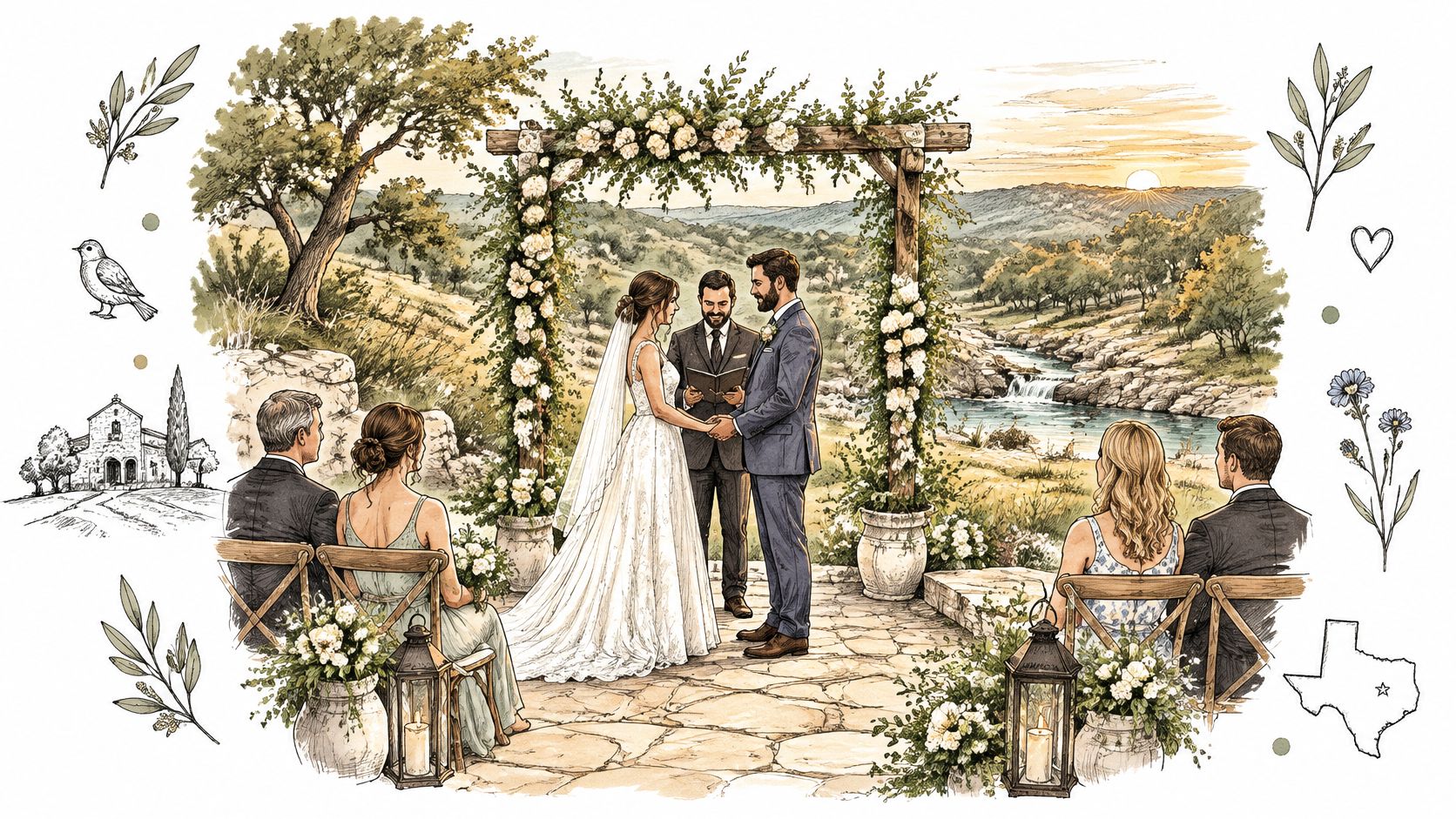
An outdoor ceremony earns its place when the setting matters as much as the vows. On a Hill Country property, gardens, water features, and manicured grounds can frame the ceremony, while a separate indoor hall gives guests a climate-controlled place for dinner and dancing. For a couple inviting around 180 guests, the ceremony can feel open and scenic without requiring the reception to depend on the weather.
Schedule a summer ceremony for early morning or early evening, and put shade, fans, and water where guests will use them. Choose a clear time for the weather decision, then tell the wedding party and key vendors who makes the call. Test the wireless microphone and Bluetooth audio during rehearsal, not while guests are taking their seats.
Practical rule: Treat the indoor ceremony option as a real plan, not an emergency idea. Confirm the room layout and ceremony sound setup before the forecast becomes a problem.
For a smaller guest list, arrange chairs closer to the focal point and leave a generous aisle. For a larger gathering, keep the ceremony footprint simple so guests can see and hear without pushing seating into awkward corners. If weather changes, move the ceremony indoors and preserve the outdoor setting for portraits when conditions allow.
2. Multi-Venue Wedding Weekend
A wedding weekend works best when each gathering has a distinct purpose and guests don't have to guess where to go next. Use one space for a welcome gathering, another for the rehearsal dinner, and a private ceremony site and reception hall for the wedding day. On a campus with separate venues and parking, a couple can host events in different settings while keeping the itinerary on one property.
Start with a venue-by-venue timeline. Record the space, access time, vendor arrival window, guest arrival, and turnover needs for each event. Send a printed itinerary with parking instructions and directions, and assign a family member or coordinator to assist guests. For shared memories, make it easy for attendees to collect guest photos without interrupting the formal program.
A smaller wedding party may need only a welcome toast and dinner. A larger group benefits from a clear arrival point, visible signs, and a simple transfer plan between spaces. Confirm which vendors need access to each venue and when, especially if the same caterer or rental crew serves more than one event.
The trade-off is coordination: separate spaces add variety, but they also add handoffs. Keep one master schedule and give vendors the version that includes their responsibilities. If rain affects an outdoor gathering, move that event into a reserved indoor space or adjust the sequence so the covered portions happen first.
3. Quinceañera Celebration
A quinceañera needs room for tradition and a lively reception, with the schedule designed around the family's priorities. A typical program may include a religious service or blessing, formal entrance, dinner, toasts, court dances, and open dancing. Families in the Austin and San Antonio area often need a hall with a dance floor, a stage area, and enough room for relatives and friends to gather comfortably.
The economic scale reflects how much planning these celebrations can involve. A 2019 estimate cited by Texas Monthly's account of quinceañeras put the average U.S. quinceañera cost at $21,781, and the article described an industry spanning venues, food, photography, entertainment, and other services. For a family, that makes vendor coordination and a reliable run-of-show as important as décor.
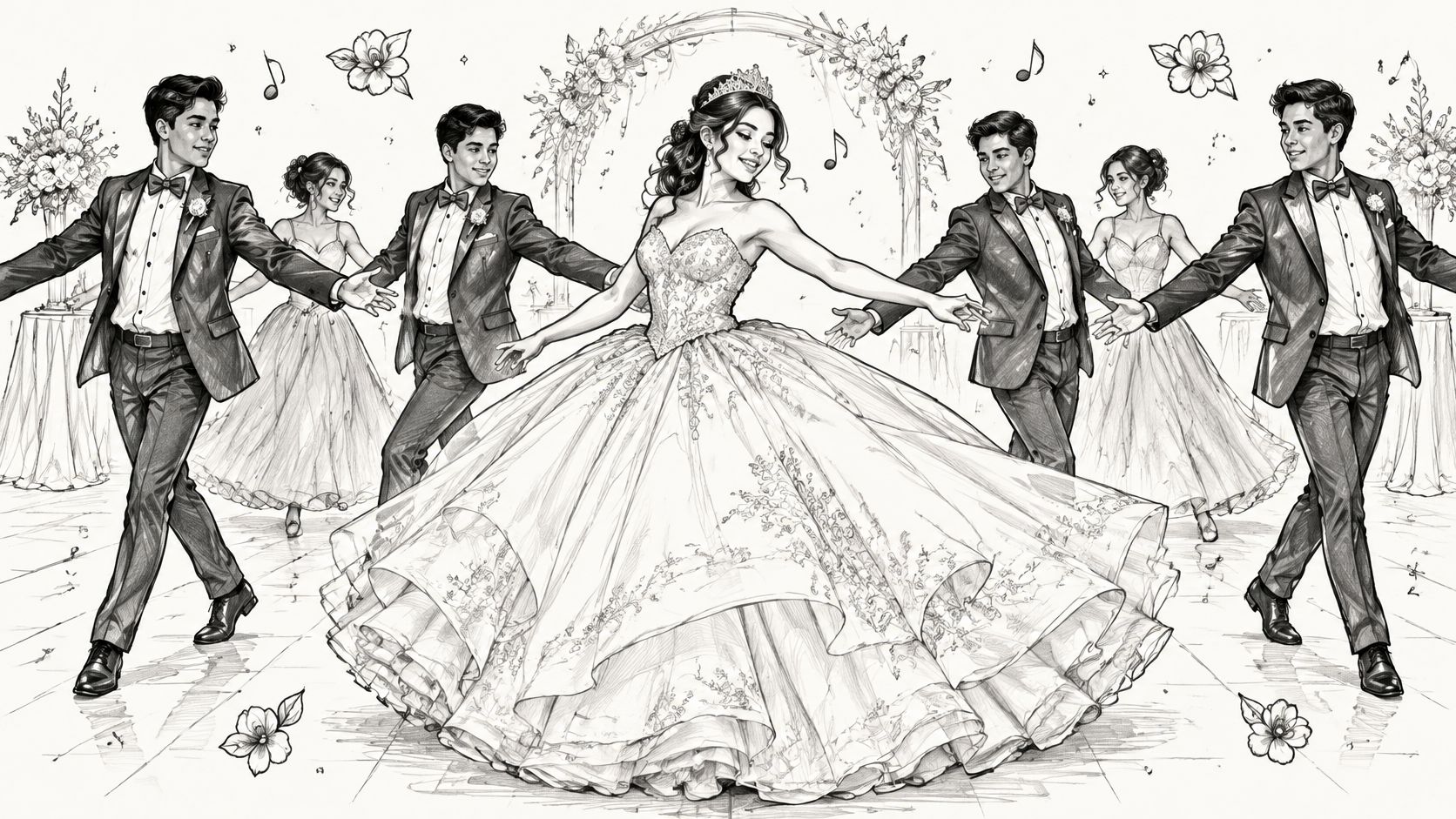
Write down each program segment, its start time, and the person responsible for the transition. Schedule a sound check for the mariachi, DJ, or band before guests arrive, and rehearse the court dances in the hall so performers can learn the spacing. A venue with a built-in beverage bar can simplify service; at Texas Old Town, open-bar alcohol must be served by bartenders from Texas Ritas, Bar Butlers, or Hill County Events.
For a smaller celebration, keep the dance floor central and reduce the number of tables. For a large family gathering, prioritize clear aisles between dining, stage, and dance areas. If the outdoor ceremony or photos are weather-affected, the climate-controlled hall can host the celebration without losing the planned sequence. Families comparing options can explore quinceañera venues in San Antonio.
4. Milestone Birthday Celebration
A milestone birthday feels personal when the program tells the guest of honor's story rather than just listing their accomplishments. Build the evening around a theme connected to a real interest, such as a favorite decade, hobby, travel destination, or kind of music. For a parent's birthday with relatives across generations, combine a seated meal with short toasts and a slideshow, then leave time for people to talk and dance.
A large hall gives hosts room to change the layout from dinner to entertainment. Put the screen where guests can see it from their seats, and test both the video and audio on the venue system before the event. Ask one person to introduce speakers and keep the schedule moving; otherwise, a long string of unplanned toasts can take over the evening.
Keep the guest count in mind when choosing a layout. For an intimate gathering, cluster tables near the presentation area and make the room feel connected. For a larger party, use a central screen and keep the path between tables and the dance floor clear. Set up an outdoor photo spot for group pictures, with an indoor portrait location ready if the weather turns.
A short photo montage can provide the emotional center of the celebration. Use birthday photo and video ideas to shape a focused presentation, then select only the images that support the story. The trade-off is simple: more content can mean less time for guests to interact, so keep the program selective.
5. Retirement Party
A retirement party should honor a person's work without turning the evening into a drawn-out ceremony. Invite colleagues, family, and friends for dinner, a few prepared remarks, and a recognition moment near the end of the program. A rustic hall can make the gathering feel relaxed; a more formal room suits an executive send-off or a client-facing celebration.
Collect stories and photos from colleagues before the event, then use them in a slideshow or scrapbook. Choose a host who knows the honoree and can introduce speakers, keep remarks within the agreed time, and bring the program back to dinner or conversation. Place the recognition or gift presentation near the close, when most guests are still present.
Access matters for a mixed-age guest list. Send parking directions in advance, choose a venue with accessible routes, and keep the distance between parking, seating, and restrooms in mind. Texas Old Town has separate parking for each private venue and an accessible layout, which helps planners communicate arrival details clearly.
For a smaller workplace, a private dining arrangement with short speeches may be enough. A larger company gathering needs a microphone, a screen for photos, and a seating plan that doesn't isolate the honoree from family or colleagues. If outdoor photos or a welcome reception become impractical in bad weather, move those moments inside and keep the main program in the hall.
6. Corporate Offsite Banquet and Awards Gala
A corporate awards dinner runs on three clocks: vendor load-in, dinner service, and the awards block. If those clocks drift, guests notice before anyone on stage does. A banquet does not need a complicated tech stack. It needs one shared run-of-show that the venue manager and event lead both work from, covering vendor arrival, AV checks, meal service, awards, networking, and teardown.
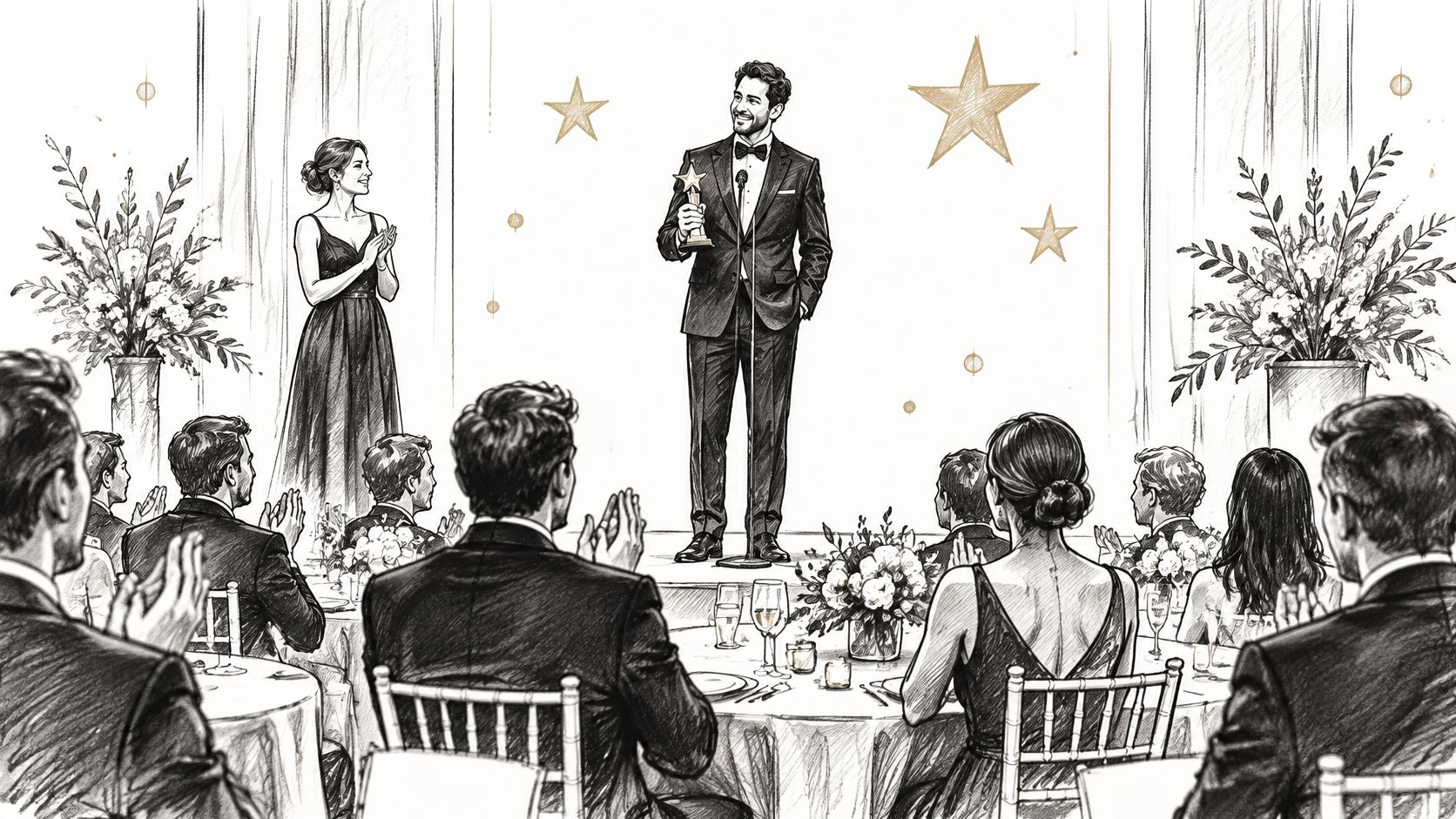
Keep the program moving: Set a firm end time for networking, prepare award presenters in advance, and test every slide and microphone during a walkthrough.
For a small department, arrange tables to encourage conversation and keep presentations brief. For a larger gala, check sightlines from the back of the room, provide a screen for names and award details, and plan a shuttle or carpool option if many attendees are traveling from a distance. Confirm bar arrangements early. At Texas Old Town, all alcohol at open-bar events must be served by an approved bartending company, so make that part of the vendor plan rather than a week-of fix.
Because each private venue has its own parking lot, put the venue name and lot in the guest instructions, not just the street address. That one detail cuts down on the late-arrival cluster that can push dinner and the first award back.
If an outdoor networking hour is part of the plan, decide in advance whether it moves inside when weather changes. The indoor hall should be ready to absorb guests without delaying dinner or the opening remarks. For a group that wants the outdoor setting, schedule the networking hour early enough that a weather call can be made while there is still time to reset the room.
7. Rehearsal Dinner
A rehearsal dinner is both a welcome and a practical bridge to the wedding day. Hold the rehearsal and meal in the same venue when possible, so the wedding party doesn't have to make another trip after practicing the ceremony. A couple with out-of-town relatives can use the dinner to introduce family members, thank the wedding party, and set expectations for the next day.
Choose a meal style that suits the group and the venue. Barbecue or Tex-Mex can keep the atmosphere relaxed, while a plated dinner may better suit a formal wedding weekend. Give the host a short schedule for welcomes and toasts, and set a limit on speaking time so dinner doesn't become an open-ended microphone line.
Ask for the rehearsal start time and venue access in writing. If the dinner shares a campus with the wedding venue, include parking instructions and a simple route in the guest message. For a smaller group, arrange one long table or a few close tables to encourage conversation. For a larger gathering, use a layout that separates dining from the rehearsal area without making guests walk through active setup.
Weather backup is still relevant if the group plans to gather outdoors before dinner. Keep an indoor space ready for the meal and any important remarks. Couples planning around Austin can review rehearsal dinner venues in Austin, then confirm access, timing, and the room layout before they send invitations.
8. Engagement Party and Proposal Celebration
A proposal during an engagement party can be joyful, but only if the timing feels natural to the couple. Choose a garden or outdoor site for the moment, then coordinate with one trusted family member or planner who can manage the cue. Book a photographer who understands where to stand and when to begin shooting, and avoid placing guests in a position where they block the couple or the camera.
Keep the rest of the event simple: welcome, food and drinks, a brief introduction, and a toast. For a typical family-hosted party, the proposal can happen before guests arrive or as a planned moment during the gathering. A private proposal works better for someone who dislikes being the center of attention; a public one suits a couple who wants to share the moment with relatives and friends.
For a smaller guest list, choose an intimate outdoor setting and keep the plan discreet. A larger party needs a defined gathering point and a clear route for guests arriving from parking. Check weekend availability early, especially if the party depends on a particular outdoor location.
The outdoor setting is the attraction, but weather can change the experience. Plan an indoor room for the toast and meal, and decide whether the proposal itself moves inside or shifts to another time. That decision should be made with the couple's preferences in mind, not just the photographer's schedule.
9. Engagement and Bridal Portrait Session
A portrait session uses a venue differently from a party: the priority is light, access, and a manageable shot list. Book around golden hour for softer light, then choose a few locations rather than trying to use every garden, walkway, and interior. A couple might capture formal portraits outdoors, then move inside for a few images with a different background.
Bring two or three outfit options and agree on the order before arriving. Start with the outfit most sensitive to heat, wind, or changing light, and save a simpler look for the final frames. Give the photographer a shot list that includes essential portraits, family or wedding-party combinations, and any details needed for save-the-date materials.
Keep the guest count small and the session focused. A couple and photographer need room to work; additional family members can make transitions slower. If weather interrupts the outdoor plan, use available indoor spaces for portraits or reschedule the outdoor portion. Confirm venue access and session availability in advance, since event setup may limit which areas are free.
Plan the session early enough to allow editing before the images are needed for invitations or wedding materials. Couples considering a Hill Country setting can ask about engagement photo shoots and coordinate the location plan with their photographer before choosing outfits.
10. Charity Fundraising Gala
A gala can raise money and build relationships when guests understand the cause, the program, and how to participate. Set a fundraising target, explain it in the invitation and event program, and connect the evening's auction or appeal to a specific purpose. A hall with a stage, sound system, and space for auction displays can support dinner, speeches, live entertainment, and donor recognition.
For a nonprofit hosting a formal dinner, assign separate volunteers to check-in, auction operations, stage cues, and donor follow-up. Don't ask one person to manage registration and also run the live auction. Create a run-of-show that states who introduces each speaker, when bidding closes, and how the audience is directed to the next activity.
The most polished gala isn't the one with the longest program. It's the one where guests know what's happening, where to go, and how to support the cause.
A smaller fundraiser can use a simple dinner, a short appeal, and a limited number of auction items. A larger guest list needs clear check-in lanes, visible table numbers, a microphone that reaches the whole room, and enough space for guests to inspect auction items without blocking service. Offer sponsorship tiers with recognition in the printed program or on screens, and confirm the artwork and names before production.
If the evening includes an outdoor welcome reception, keep the main dinner and auction plan indoors. Decide ahead of time how volunteers will move displays or guests if weather changes, and protect the program from delays by assigning one person to call each transition.
Quick comparison of the 10 special event concepts at a glance
| Item | Best For | Setting | Key Venue Feature | Main Trade-off |
|---|---|---|---|---|
| Outdoor Hill Country Garden Wedding Ceremony | Couples seeking a scenic ceremony with an indoor backup | Landscaped outdoor grounds with indoor reception space | Outdoor ceremony site and climate-controlled hall | Summer heat and outdoor sound or lighting needs |
| Multi-Venue Wedding Weekend | Couples hosting several events for guests, including out-of-town visitors | Multiple event spaces on one property | Distinct venues with on-site coordination | Higher cost and more complex scheduling |
| Quinceañera Celebration | Families planning a traditional fifteenth-birthday celebration | Large indoor hall for dinner, dancing, and performances | Dance floor, stage, and dressing suites | Many program details and costs to coordinate |
| Milestone Birthday Celebration | Hosts honoring a significant birthday with friends and family | Private indoor and outdoor event spaces | Flexible layouts and audio for speeches or music | Guest lists can grow, increasing costs and planning needs |
| Retirement Party | Colleagues, family, and friends celebrating a career milestone | Private room suited to dining and mingling | Presentation-ready audio and space for a memory display | The program needs to stay concise and well coordinated |
| Corporate Offsite Banquet and Awards Gala | Companies hosting formal dinners, awards, or client events | Offsite climate-controlled banquet hall | Microphone setup, prep kitchen, and private parking | Regional travel and tight event scheduling |
| Rehearsal Dinner | Wedding parties and close guests gathering before the wedding | Dining hall with access to the ceremony site | Flexible seating and caterer prep kitchen | Adds cost and scheduling demands before the wedding |
| Engagement Party and Proposal Celebration | Couples and families celebrating an engagement or planned proposal | Garden areas and indoor event hall | Scenic outdoor space alongside indoor dining and dancing | Keeping a proposal secret and managing expectations |
| Engagement and Bridal Portrait Session | Couples seeking portraits before the wedding | Landscaped grounds and varied indoor backdrops | Dressing suites for wardrobe changes | Weather and venue availability can limit scheduling |
| Charity Fundraising Gala | Nonprofits hosting a formal fundraiser with dinner or auctions | Large indoor hall with stage and auction space | Wireless microphone, built-in bar, and setup support | Extensive fundraising, budget, and attendance planning |
Turning Your Special Event Ideas Into a Booked Date
Choose the format that fits your guest count, season, and budget before you choose decorations. A venue tour should answer practical questions: where guests arrive, how far they walk, what happens if an outdoor ceremony moves inside, where vendors load in, and whether the room can support the planned program. Bring a draft guest list and a rough schedule so you can assess the space against the actual event, not an abstract vision.
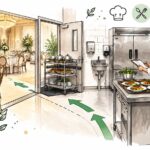
At Texas Old Town, four private venues serve different event styles and capacities, with separate parking for each venue. The campus also has outdoor ceremony sites and indoor, climate-controlled halls, so hosts can plan a primary setting and a workable weather alternative. An on-site venue manager can help coordinate day-of logistics, while the prep kitchen's separate service entry supports caterer access.
Ask for the details that affect the full schedule. Confirm access and setup time, vendor arrival, bar requirements, cleanup responsibilities, and the location of sound equipment. If you're planning a wedding weekend, coordinate the rehearsal dinner and reception timelines before you invite guests. For a corporate banquet or fundraiser, share a single run-of-show with the venue team, caterer, AV provider, and program host.
Texas Old Town offers 4-hour and 8-hour rental packages for gatherings such as birthday parties, showers, and luncheons. Couples can also book an option to use the space for a rehearsal dinner and decorate early for $750, if the venue remains available 90 days before the event. Tours are available by appointment, and the general booking guidance is to reserve 12 to 18 months ahead for the best date selection.
Start with a tour, compare the room and outdoor options against your guest count, then build a run-of-show before you sign. A date that works for the venue, vendors, and key guests will make every later decision easier.
Visit Texas Old Town to tour its four private venues and outdoor ceremony sites across a 55-acre Hill Country property. Bring your guest-count estimate and event outline, then compare the indoor and outdoor options before choosing a date.