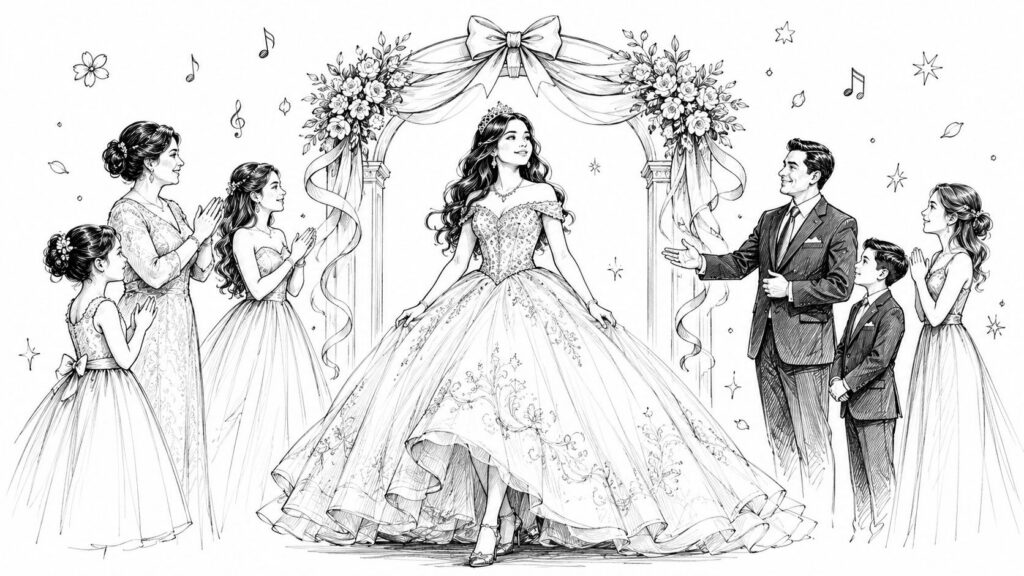
8 Quinceañera Grand Entrance Ideas for 2026
Guests are seated, the lights soften, and the DJ waits for the signal. Then the first notes begin, the doors open, and every person in the room sees the quinceañera for the first time in her gown. That entrance immediately tells guests whether the celebration will feel elegant, energetic, intimate, dramatic, or completely personal. The strongest quinceañera grand entrance ideas balance spectacle with practical details. The route must be comfortable, photographers need clear sightlines, the music cue has to be reliable, and the venue must support the staging, lighting, movement, and weather plan. At Texas Old Town, that may mean using an indoor hall, an outdoor garden path, or a transition between the two. The eight concepts below organize the decision around what the entrance is designed to accomplish, from an architectural reveal and coordinated court choreography to family emotion, technology, and themed self-expression. Table of Contents 1. Classic Staircase or Ramp Entrance With Spotlight Make the route comfortable 2. Choreographed Dance Entrance With Court Build choreography around reliability 3. Outdoor Garden or Scenic Path Entrance Scout the route before decorating 4. Surprise or Reveal Entrance Behind a Curtain or Doors Rehearse every moving part 5. Processional Entrance With Escorted Court Presentations Protect the ceremony from confusion 6. Modern Interactive or Tech-Enhanced Entrance Treat technology as a cue stack 7. Father-Daughter Entrance as a Special Escort Moment Let the music carry real meaning 8. Themed or Costume Entrance for Self-Expression Keep the concept wearable and respectful 8-Point Comparison: Quinceañera Grand Entrance Ideas Choose the Entrance That Fits Her Story 1. Classic Staircase or Ramp Entrance With Spotlight A staircase entrance gives the quinceañera time to be seen. She descends slowly while a spotlight follows her gown, or she walks up a ramp toward a raised focal point as the music builds. Unlike a quick doorway reveal, this format gives guests an extended view of her dress, posture, expression, and accessories. The architectural setting does much of the visual work. Texas Old Town's Sage, Stone, and Tejas halls can support a formal concept built around a defined approach, dramatic lighting, and a clear background. Families comparing layouts can use the Texas Old Town venue floor plans to discuss the route, guest seating, photographer positions, and any space required for the court. Make the route comfortable A beautiful staircase can become a liability if the gown catches, the shoes slip, or the quinceañera can't see the steps. Rehearse the walk several times during Texas Old Town's 16-hour rental window, first in comfortable clothing and later in the actual shoes and gown or a similar rehearsal skirt. A ramp may be the better choice for mobility, balance, or a full skirt with a long train. Coordinate the DJ or music coordinator with the lighting technician. Texas Old Town's Bluetooth-compatible PA system can handle the music connection, but the team still needs a clear cue sequence for the opening track, spotlight, pause, applause, and final position. Practical rule: The entrance should be paced for her comfort, not for the effect. A steady, confident walk photographs better than a rushed descent. Place one photographer at the top and another at the bottom when possible. The dressing suites, with private restrooms and vanity areas, also give the quinceañera a controlled place for final hair, makeup, and gown adjustments before the reveal. Choose a meaningful family-selected song, especially if the entrance will flow directly into a father-daughter dance or another formal moment. 2. Choreographed Dance Entrance With Court A court entrance turns the first appearance into a shared performance. Damas and chambelanes may enter in pairs, create moving formations, and then bring the quinceañera into the center for a final flourish. The result feels more energetic than a solo walk and gives friends an active role in the celebration. The traditional court of honor can be adapted to the family's preferred size and style. A modern Austin-area celebration might combine a formal waltz with cumbia, salsa, reggaeton, or contemporary choreography. A court can also begin with a polished processional before shifting into a surprise dance, but the transition must be simple enough for every participant to remember. Build choreography around reliability Hire a professional choreographer early enough for participants to learn the sequence without turning the preparation into a source of stress. The music should have a steady beat and clearly marked transitions. Complicated footwork often looks impressive in rehearsal but breaks down when the floor is crowded, dresses restrict movement, or one participant misses a cue. Create a formation map and written notes. Mark where the quinceañera enters, where each pair stops, and where the final formation faces. Rehearse at a dance studio or during an available venue session, then use Texas Old Town's 16-hour access period for a full dress rehearsal with sound and lighting. The Texas Old Town reception schedule template can help place the entrance alongside introductions, the waltz, dinner, and later formalities. A backup music track should be ready on a second device. Test the wireless microphone and Bluetooth audio connection during setup, not only during the final minutes before guests arrive. The best court routine makes the quinceañera the focal point. If every dancer receives equal visual emphasis, the audience may lose track of who the celebration honors. 3. Outdoor Garden or Scenic Path Entrance A scenic entrance uses the property itself as part of the presentation. The quinceañera may walk through a landscaped garden, follow a decorated path, or approach the ceremony or reception area through the Hill Country setting. This format feels intimate and cinematic because guests see her arrival unfold through a real background instead of a controlled stage. Texas Old Town's property covers 55 acres and includes water features, streams, and maintained gardens, creating several possible outdoor approaches. Families should treat the route as a production path, not a pretty place to walk. A trail that looks attractive during a daytime tour may have uneven ground, changing shadows, or limited visibility at the preferred event time.