You've scrolled through beautiful galleries, saved screenshots, and probably built a shortlist based on lighting, ceremony backdrops, and whether the room feels “Austin enough.” That's normal. It's also how people end up choosing a venue that photographs well but creates day-of problems with load-in timing, parking, vendor restrictions, or a rental window that squeezes setup and teardown into the same stressful afternoon.
Choosing the right Event Center Austin option goes deeper than aesthetics. Budget clarity, guest flow, indoor-outdoor flexibility, and how much coordination the venue absorbs matter just as much as the look. This guide compares seven strong picks through a planner's lens so you can judge what affects event-day success. If you're also thinking about how venues get discovered online, Virtual Tour Easy explains virtual tour SEO.
Table of Contents
- 1. Texas Old Town
- 2. Palmer Events Center
- 3. Fair Market
- 4. 800 Congress
- 5. The Allan House
- 6. The LINE Austin
- 7. The Driskill
- 7 Austin Event Centers Comparison
- From Shortlist to Signed Contract Your Next Steps
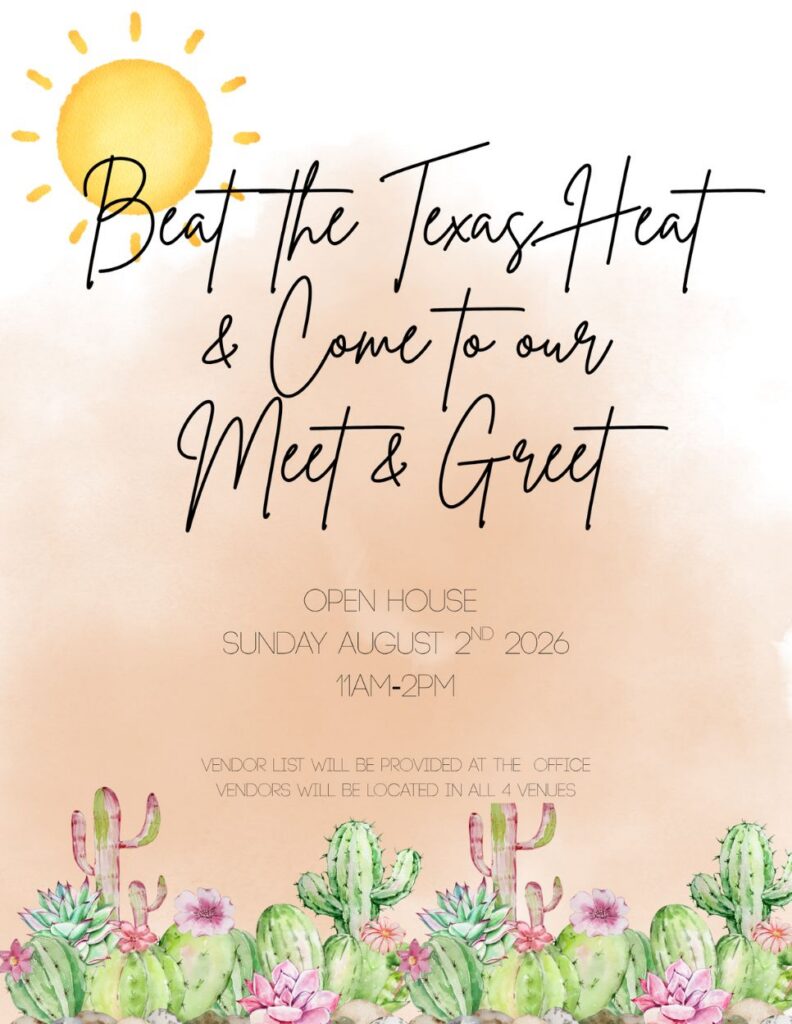
1. Texas Old Town
A common Austin-area planning problem looks like this. Vendors need early access, family wants time for photos, the couple wants an outdoor ceremony, and guests still need parking that does not turn arrival into a scavenger hunt. Texas Old Town earns shortlist status because its setup solves several of those friction points at once.
The venue is on a 55-acre Hill Country campus in Kyle with four private halls and outdoor ceremony areas. In practice, that gives planners more control over flow. Arrival, ceremony, cocktail hour, portraits, and reception can happen in separate zones without forcing guests through tight resets or long transitions.
The biggest advantage is the rental window. Every booking includes a 16-hour exclusive rental period from 8:00 a.m. to midnight. That extra time changes the budget math. It can cut rush delivery fees, reduce overtime risk, and give catering, floral, photo, and entertainment teams enough space to work in sequence instead of stacking load-in at the same hour.
Why planners keep this one on the shortlist
Texas Old Town works well for hosts who want flexibility without starting from a blank warehouse. The campus includes Tejas, Sage, Stone, and Redbud, with room for mid-size to larger guest counts depending on the hall and whether the event uses both indoor and outdoor areas. For couples comparing options, this wedding venue selection guide is useful because it frames the questions that affect cost and execution.
The practical details matter here:
- Vendor flexibility: Outside catering is allowed, which gives you more pricing range and menu control than venues tied to one food package. A prep kitchen and separate service entry also help back-of-house timing.
- Bar setup: Hosts can provide their own beverages, but service must go through an approved bartending company. That often saves money on alcohol, but it adds one vendor approval step.
- On-site support: A venue manager is present during the event, and cleanup plus furniture breakdown are included. That reduces the amount of labor your planner or family has to cover late at night.
- Pricing clarity: The quoted rate includes sales tax and gratuity with no hidden fees, which makes side-by-side budget comparison easier.
One planner rule applies here. Long rental windows do not just buy comfort. They prevent expensive mistakes.
Best fit and trade-offs
This venue fits weddings, quinceañeras, milestone parties, and company events that need indoor-outdoor options on one private property. It is also a practical choice for guest lists that would struggle with downtown parking, multiple room flips, or tight access rules.
The trade-offs are manageable, but they are real. Exact pricing still depends on your date, hall, and setup, so the shortlist process requires a quote request and site visit. The bring-your-own beverage model can lower the total bar spend, but only if someone on the planning side tracks alcohol purchasing, bartending requirements, and service timing carefully.
Texas Old Town also brings a long operating history, including Hall of Fame recognition from 2013 through 2022. I would not book any venue based on awards alone, but consistent longevity usually signals a team that understands event-day execution, not just marketing photos.
2. Palmer Events Center
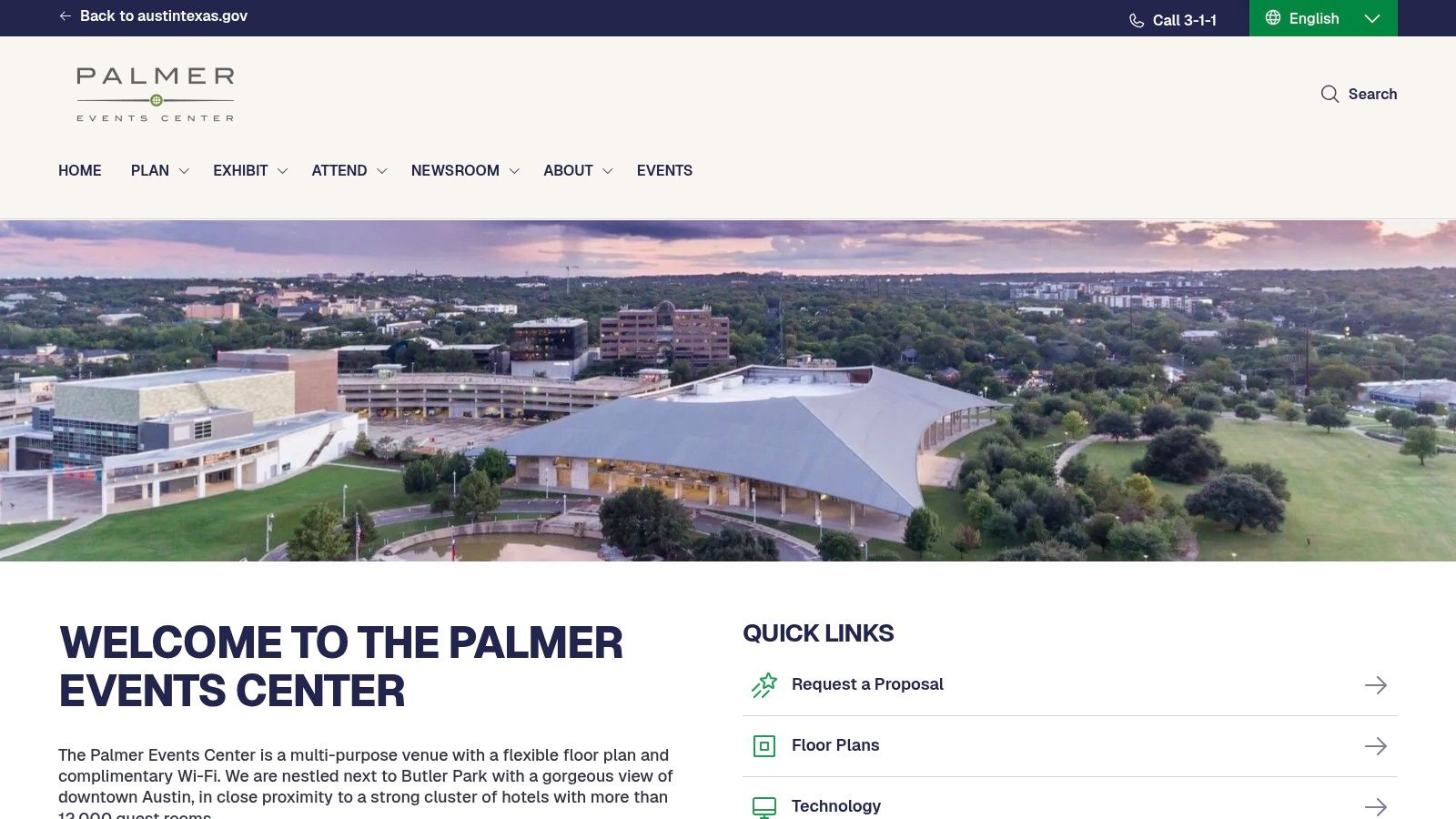
If your event center Austin search is really about scale, Palmer Events Center usually makes the shortlist fast. It's a city-run facility near Butler Park, and its main strength is a footprint that can flex for large galas, conferences, trade shows, and social events that need production room rather than atmosphere doing the heavy lifting.
The venue offers divisible, column-free exhibit space, covered outdoor canopies, and upstairs meeting rooms. On paper, that combination is excellent for programs with registration, breakout needs, sponsor activations, or separate reception flow.
Where Palmer works best
Palmer is easiest to justify when your event is complex enough that infrastructure matters more than built-in character. The adjacent parking garage is a practical advantage, especially compared with venues that expect guests to fend for themselves block by block. If your event may outgrow a boutique venue, it's worth comparing your needs against larger event venue formats in Central Texas.
What doesn't work as well is assuming a city-operated venue will feel turnkey. It usually won't. The flexibility is real, but so is the coordination. Modular rental structures often mean the base booking is only part of the total, especially once equipment, utilities, and production support enter the picture.
Palmer rewards organized planners. It can punish vague budgets.
Traffic is the other factor. The location is convenient until load-in overlaps with downtown congestion, city events, or peak arrival times. For polished corporate programs, that's manageable. For guest-driven social events where people arrive on their own schedule, it requires stronger communication than many hosts expect.
Use Palmer when you need a big box that can become almost anything. Skip it if you want the venue itself to create warmth without a lot of added design.
3. Fair Market
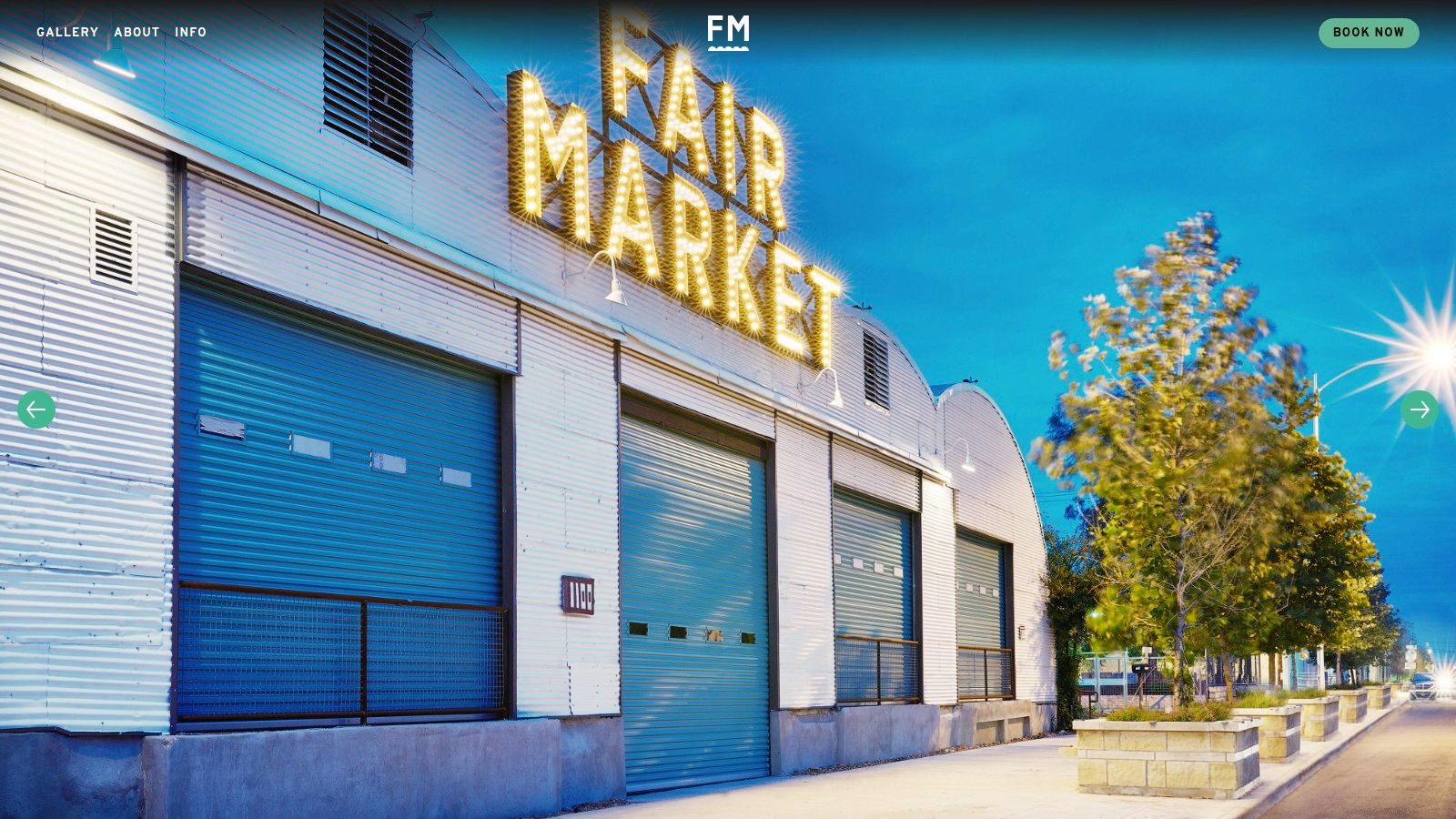
Fair Market is the East Austin blank slate that planners book when they want industrial style, production flexibility, and a venue that can shift from wedding to brand activation to concert-style reception without feeling forced. Fair Market has a polished warehouse look with strong indoor-outdoor flow, and that's its appeal.
This kind of space gives designers and production teams a lot to work with. It also asks more from the budget if you want a fully transformed event rather than a minimal one.
What to watch before you book
Blank slate venues attract people who want freedom, but freedom isn't always cheaper. A room with a strong shell and fewer baked-in event elements can become expensive once you add climate strategy, custom staging, furniture upgrades, or guest wayfinding. That doesn't make it a bad choice. It just means the design vision needs to survive the first real estimate.
Fair Market works best when the guest experience includes movement. Cocktail-style events, product launches, receptions with lawn moments, and social events with a more urban energy fit naturally here. If you're still sorting out your venue priorities, this wedding venue selection guide is useful because it forces you to separate aesthetic preference from operational need.
Parking is the practical catch. East Austin is fun for locals and flexible for vendors, but guest arrivals can get messy when parking relies on a mix of street spots and paid lots. That's fine for a crowd comfortable with urban navigation. It's less ideal for older guests, formal family events, or anyone expecting a simple pull-in, park, and walk-in experience.
Choose Fair Market for energy and flexibility. Don't choose it if your guest list needs frictionless parking and a more managed arrival.
4. 800 Congress
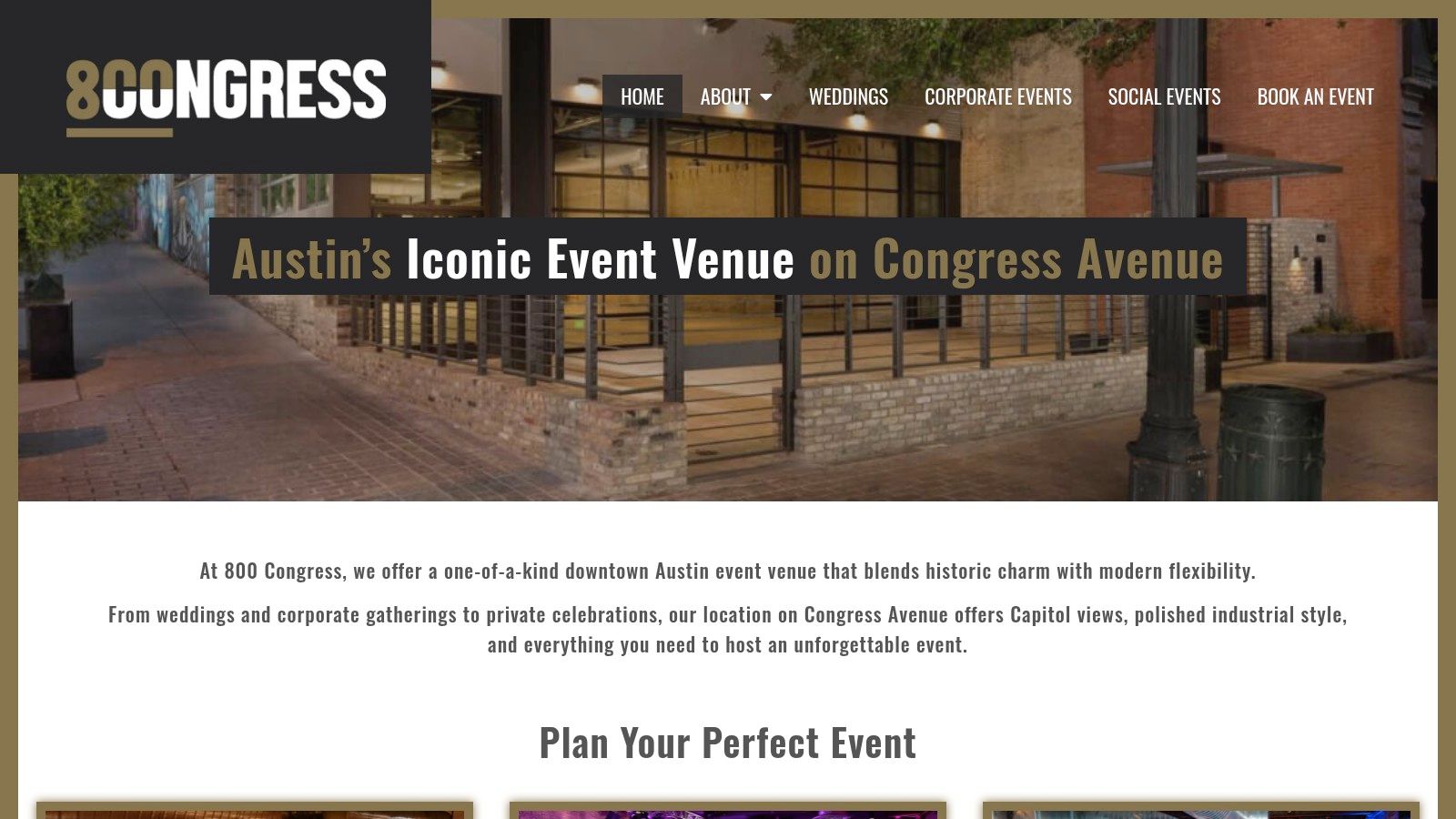
800 Congress is a downtown venue that makes sense for hosts who want a central address and don't want to assemble every event component from scratch. In-house bar service, built-in A/V, and a setup that already understands receptions and corporate functions give it a more turnkey feel than a pure raw space.
That convenience has value. It cuts down on vendor overlap and usually speeds up decision-making because fewer pieces are floating.
Best use case
This venue is strong for executive receptions, rehearsal-adjacent gatherings, launch parties, and weddings where the downtown setting is part of the guest experience. If people are already staying or socializing in the urban core, the location supports the schedule instead of fighting it.
The trade-off is control. You won't have the same freedom as a venue that allows broad beverage flexibility, because the bar operation stays in-house. For many clients, that's acceptable because it simplifies compliance and service. For budget-sensitive events, it may feel limiting.
A/V inclusion is one of the more underrated benefits here. When the projector, screen, and sound support are already part of the venue environment, planners avoid a lot of last-minute technical scrambling. That matters more for mixed-use events, especially those moving from presentation into social mode.
The weak spot is parking. Onsite availability is very limited, so guests typically rely on nearby garages, valet options, or rideshare. That's not a dealbreaker in downtown Austin. It just changes the event communication you need to send in advance.
If your event needs a polished city address and fewer moving parts, 800 Congress is efficient. If you want broad vendor freedom and easier guest parking, it won't be the first pick.
5. The Allan House
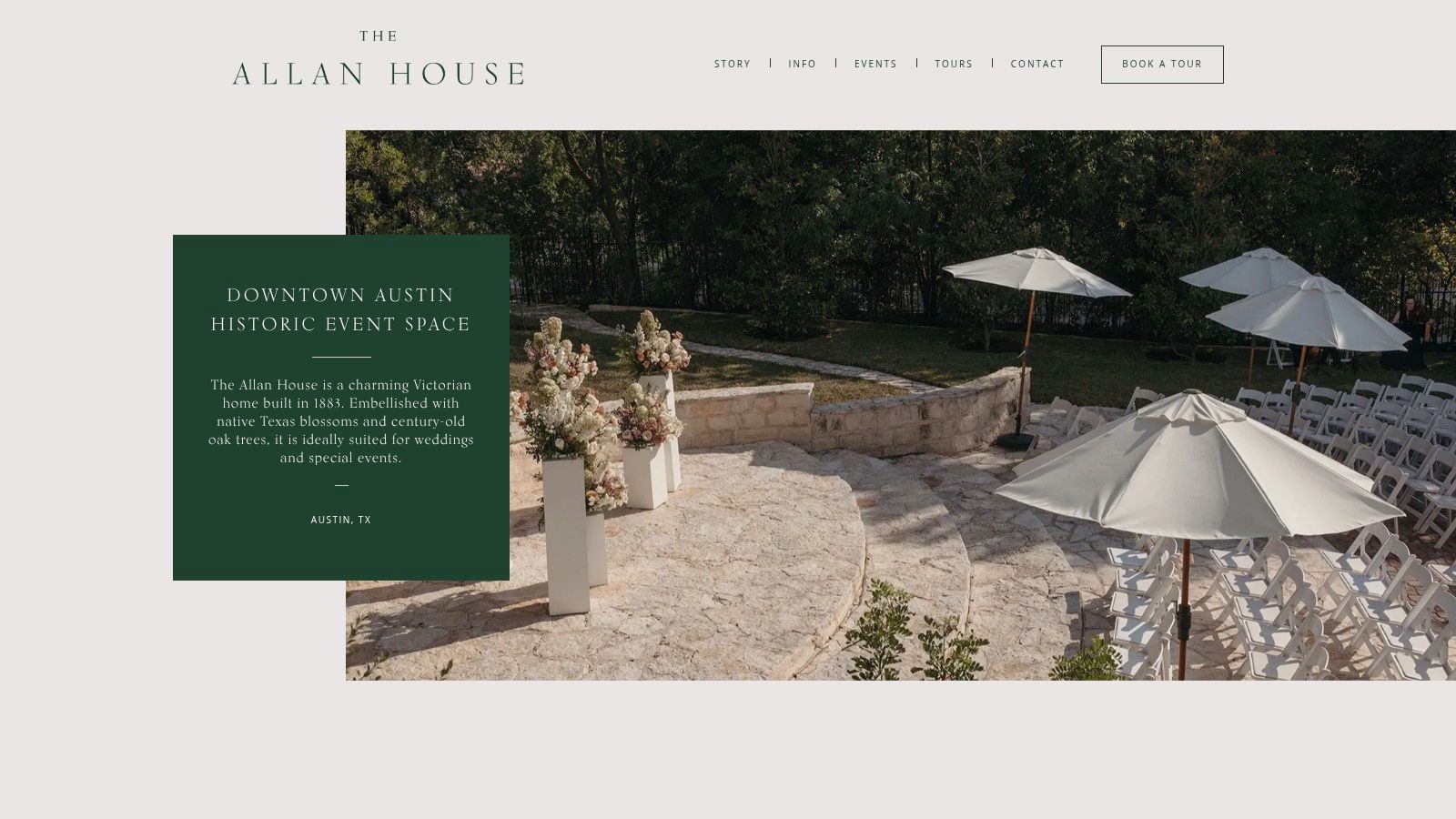
The Allan House is the venue people choose when they want character built into the property. The Allan House brings historic architecture, verandas, and courtyard charm that can carry an event visually without requiring oversized floral or decor budgets.
That built-in personality is a real advantage. Historic venues often save money on styling because the room already contributes something memorable.
Where the charm helps and where it doesn't
For weddings and milestone events with a moderate guest count, The Allan House can feel special quickly. It's especially good for hosts who care about outdoor ambiance and want a downtown setting that feels softer than a ballroom or industrial venue.
There's a planning catch, though. Larger guest lists need to be comfortable with the event leaning heavily on the outdoor spaces. Indoor capacity is more limited, so weather planning has to be part of the original decision, not an afterthought.
- What works well: Historic atmosphere, dressing suites, and a layout that suits ceremonies and receptions with a romantic tone.
- What needs attention: Parking is limited onsite, so guest instructions matter more than they would at a venue with a larger private lot.
- What can help: Seasonal tent inclusion for winter bookings adds protection when the weather is less predictable.
This is one of those venues where the emotional response is strong during a tour. That's good, but it shouldn't replace practical questions. Ask how your guest count changes circulation, where catering stages, how noise carries outdoors, and what the backup ceremony plan feels like when fully set.
The Allan House is a better fit for intimacy and atmosphere than for scale and logistics. If you accept that trade, it can be a beautiful choice.
6. The LINE Austin
A common Austin planning scenario goes like this. Half the guest list is flying in, leadership wants everyone under one roof, and the schedule includes more than a single evening event. In that setup, The LINE Austin makes sense fast because the venue, guest rooms, catering, and front-of-house operations sit inside one system.
That matters less for a purely local party and much more for multi-day programs, destination weddings, and corporate events with tight agendas. The value is not just convenience. It is the reduced handoff risk between venue staff, hotel operations, and guest lodging.
From a planner's perspective, the first question is not whether the property looks good. It does. The better question is how much flexibility you are giving up in exchange for coordination. Hotels usually come with in-house food and beverage minimums, service charges, loading rules, and tighter vendor policies than independent venues. For some clients, that structure saves time and limits surprises. For others, it narrows the customization they expected.
The guest experience is usually strong here if overnight stay is part of the event. People can move from check-in to welcome drinks to meetings without adding another transportation layer. That same hotel format is one reason many planners evaluating whether wedding venues can also work for corporate events compare hospitality properties separately from standalone event halls.
Parking and arrival deserve a real budget line, not a passing mention. Downtown access helps with proximity to restaurants, nightlife, and the lake, but it also brings valet costs, garage fees, rideshare congestion, and slower load-in windows during busy periods. If your audience is expense-account friendly, that may be acceptable. If you are managing a price-sensitive guest list, these small line items can push the event higher than the room rental first suggests.
The LINE is a practical fit when the event is tied to travel logistics as much as the event space itself. Ask for the full rental window, not just guest-facing hours, confirm vendor restrictions early, and price parking before you call the venue affordable.
7. The Driskill
The Driskill is one of those venues where the address itself carries prestige. For upscale weddings, formal dinners, galas, and legacy-brand corporate events, that matters. Guests recognize it, and the historic interiors immediately set a tone that many modern venues have to manufacture.
From a planner's perspective, the appeal is clear. You get hospitality infrastructure, guest rooms, an in-house culinary team, and a venue that already feels occasion-worthy.
The practical trade-off
The Driskill is often right when the event needs polish more than customization. If your hosts want classic service, a formal downtown setting, and a team accustomed to premium events, the venue aligns with that expectation. It also works well for organizations weighing whether hospitality venues can support more than weddings. These examples of wedding venues used for corporate events are useful context for that decision.
The trade-off is flexibility. Hotels with established brand standards and in-house food service tend to give planners less room to swap major components in and out. That can simplify execution, but it can also narrow options if you have cultural menu needs, outside vendor preferences, or a more unconventional production plan.
This is also not the venue to choose if you're trying to make a premium event feel budget-neutral. The experience is high-end, and the pricing usually follows.
The Driskill is best for clients who want the venue to signal significance the moment guests arrive. It's less compelling for casual events, heavy customization, or hosts who want broad control over every vendor decision.
7 Austin Event Centers Comparison
Shortlisting an Austin venue usually looks easy until the operational questions start. A room can photograph well and still create overtime, parking complaints, vendor friction, or a floorplan that fights your program. This comparison keeps the focus on the factors that affect budget, setup pressure, and the guest experience once contracts are in play.
| Venue | Planning load | Budget and vendor realities | Guest experience outcome | Best fit | Planner note |
|---|---|---|---|---|---|
| Texas Old Town | Moderate. The venue provides on-site management, published logistics, and several indoor-outdoor configurations. | Flexible outside vendors, approved bar service, private parking, and a prep kitchen. Longer access time can reduce labor compression and rush fees. | Comfortable events with more breathing room in the schedule and capacities that work for both mid-size and larger celebrations. | Weddings, quinceañeras, milestone events, planner-led social gatherings | Strong option when the rental window matters as much as the room itself. |
| Palmer Events Center | High. Large-scale events need detailed floorplans, staffing plans, utility coordination, and production oversight. | Higher production demands, city processes, and more line items for equipment and labor. Parking is easier than at many downtown venues because of the adjacent garage. | Works well for high-attendance events that need scale more than atmosphere out of the box. | Conferences, trade shows, large galas, conventions | Best for teams that have a real operations lead and a clear program brief. |
| Fair Market | Moderate to high. The blank-slate format gives freedom, but planners usually need stronger production management. | Costs can climb once HVAC support, staging, rentals, parking plans, and wayfinding are added. Vendor flexibility is a plus if the concept is custom. | Distinct East Austin energy with indoor-outdoor flow, especially for brands and social events that want a less formal setting. | Activations, markets, concerts, receptions | Good creative upside. Budget discipline matters here. |
| 800 Congress | Low. Built-in A/V, bar service, and furniture reduce setup decisions. | Outside catering is allowed within venue rules. Parking is the bigger watchpoint since guests often depend on garages or valet. | Efficient downtown events with a polished feel and fewer moving parts on event day. | Weddings, corporate receptions, social events | A practical choice for hosts who want central access without building every event element from scratch. |
| The Allan House | Low to moderate. Included basics reduce rentals, but weather planning stays on the table for outdoor-heavy use. | Tables and chairs are included up to a set capacity, with an on-site manager and limited parking. Larger guest counts can require more transportation planning. | Warm, historic atmosphere that reduces decor pressure and suits intimate events well. | Small to mid-size weddings, milestone events, boutique gatherings | Often a better financial fit when clients want character without a hotel buyout feel. |
| The LINE Austin | Low. Hotel event infrastructure helps keep multi-day schedules organized. | In-house catering, guest room coordination, valet or garage costs, and hotel service structure shape the budget. Outside flexibility is narrower than at independent venues. | Strong for hosted guest experiences where lodging, meetings, and food service need to work together. | Corporate meetings, conferences, destination weddings | Useful when convenience for traveling guests outweighs the need for vendor freedom. |
| The Driskill | Low to moderate. Experienced hotel teams handle formal events well, but customization is more limited. | Premium food and beverage structure, hotel service pricing, and downtown access costs should be expected from the start. | High-touch, formal events in a historic setting that already carries presence. | Upscale weddings, galas, executive dinners, legacy events | Best when hosts want prestige and hospitality support more than a fully custom build. |
The biggest differences are not visual. They show up in access time, vendor rules, parking reality, and how much production the room needs before guests ever walk in.
If a client wants cost control, I compare rental window and vendor flexibility first. A longer access period can save real money on labor, delivery timing, and decor installation. A lower base rental can lose its advantage quickly if the venue also forces premium service packages, extra rentals, or difficult load-in conditions.
Guest arrival is another filter that deserves more weight than it usually gets. Downtown venues can be convenient for business travelers and hotel blocks, but they often shift cost and friction to valet, garages, and traffic timing. Venues with simpler parking tend to feel easier for families, older guests, and events where arrivals happen in waves instead of all at once.
Use the table as a decision tool, not a style ranking. Palmer handles scale. Fair Market rewards custom production. 800 Congress reduces setup complexity. The Allan House favors intimacy. The LINE Austin and The Driskill work best when hospitality infrastructure is part of the event strategy. Texas Old Town stands out when a planner needs time, flexibility, and a venue model that supports the run of show instead of squeezing it.
From Shortlist to Signed Contract Your Next Steps
A venue usually gets harder to manage after the tour, not easier. The actual test starts once you map load-in, guest arrival, weather backup, vendor access, cleanup, and the true rental window against your event timeline. That is where good-looking options separate from workable ones.
Match the venue to the operating style of the event. Hotel properties such as The LINE Austin and The Driskill make sense when room blocks, in-house staffing, and a fully hosted guest experience matter more than vendor freedom. 800 Congress is often the simpler downtown choice for teams that want a polished setting without building the event from scratch. Fair Market gives planners more creative control, but that freedom comes with more production decisions, tighter parking considerations, and a greater need for clear vendor coordination. Palmer Events Center handles large guest counts well and can be cost-effective at scale, provided the scope is defined early and every line item is reviewed carefully.
Texas Old Town earns a place on a shortlist for different reasons. It suits planners who need a longer working window, a venue model that is easier to price clearly, and enough flexibility to support different event formats without forcing a complicated setup plan. That matters for weddings, quinceañeras, company events, and milestone celebrations where the day can fall apart if too many handoffs sit between the host, the venue, and outside vendors.
Before signing, tour your final contenders again with a checklist, not a mood board. Walk the parking route from the guest point of view. Time the distance from load-in to the event space. Ask for the event-day schedule used by the operations team, then confirm what is included, who handles cleanup, how alcohol service is managed, and whether your preferred vendors can work there without extra friction. If you want to add guest-facing extras that support branding or hospitality, discover strategic event swag.
The best Event Center Austin choice protects the budget on paper and holds up operationally once the event is live.
If you want a venue that balances Hill Country character with planner-friendly logistics, Texas Old Town is worth touring early in the process. The four-hall campus, longer rental window, transparent pricing approach, and on-site management make it a practical option for weddings, quinceañeras, corporate events, and milestone celebrations across the Austin and San Antonio corridor.