You've agreed to host a retirement party, and the date is getting close. The caterer isn't booked, nobody knows who's bringing the microphone, and three different people think they're managing the guest list. The celebration may be heartfelt, but without an owner and a sequence, small gaps become expensive last-minute problems.
A useful retirement party planning checklist starts with decisions that protect the decisions after them. First define the purpose, budget, and guest count. Then secure the date and venue, confirm the food and beverage plan, build the program, and assign someone to run the day. The checklist below follows that order and connects each task to the practical demands of a venue, including setup, vendor access, guest movement, speeches, cleanup, and follow-up.
The aim isn't to create a complicated production. It's to make sure the honoree feels recognized, guests can participate comfortably, and the planning team knows exactly what must happen before, during, and after the party.
Table of Contents
- 1. Define Goals, Budget, and Guest Count
- 2. Set the Date and Build a Backward Timeline
- 3. Select the Venue and Floor Plan
- 4. Plan the Program and Recognition Moments
- 5. Choose Catering and Food Service
- 6. Arrange Beverages and Bar Service
- 7. Plan Décor, Theme, and Memory Elements
- 8. Send Invitations and Manage RSVPs
- 9. Arrange Entertainment, Music, and Audio-Visual Needs
- 10. Plan Day-of Logistics, Staffing, and Guest Experience
- 10-Point Retirement Party Planning Comparison
- Lock In the Details and Keep Your Checklist Moving
1. Define Goals, Budget, and Guest Count
Start with the reason for the event. A workplace luncheon honoring a long career needs a different format from a family dinner or a gathering that thanks colleagues and celebrates a new chapter. Ask the retiree how they want the transition described, especially if they'll consult, work part-time, or remain professionally active. The Employee Benefit Research Institute's 2025 Retirement Confidence Survey found that about half of workers expect to transition gradually into retirement, while roughly three-quarters of retirees reported stopping full-time work completely. The party shouldn't call something a final goodbye if the honoree doesn't see it that way.
Set the budget before touring venues. Separate venue hire, catering, beverages, staffing, décor, entertainment, photography, gifts, printing, transportation, and contingency funds. Get written quotes that show taxes, gratuity, service fees, setup charges, and cleanup responsibilities. A lower venue fee can stop being economical if it requires separate furniture, security, bartenders, or cleanup crews.
Build the first guest estimate high enough to protect your venue and food decisions, then refine it through RSVPs. Identify relationships from different career stages, including former colleagues, mentors, clients where appropriate, family, and community contacts.
Practical rule: One person should own the master budget and guest list. Shared input is helpful, but shared ownership usually means nobody updates the final version.
2. Set the Date and Build a Backward Timeline
Choose the date with the honoree first. Confirm the exact retirement date, whether the event marks a final working day or a later milestone, and which guests matter most. A Saturday afternoon or early evening can work well for a mixed guest list, but a weekday luncheon may suit a workplace audience better. Check local events, holidays, school schedules, travel plans, and other retirement celebrations before signing a contract.
Once the date is fixed, write deadlines backward from it. Reserve the venue and core vendors first. Then send invitations, collect memories and photos, finalize the menu, confirm the headcount, approve the program, and distribute the run sheet. The Texas Old Town event-planning timeline can help you turn the event date into a sequence of booking and preparation tasks.
A venue with a 16-hour exclusive-access window, from 8:00 a.m. to midnight, gives the planning team room for setup, sound checks, the celebration, and breakdown without compressing every task into a narrow rental period. Confirm exactly when vendors may arrive, when décor can be delivered, and when the venue must be clear. That detail affects the labor plan as much as the party schedule.
Put every deadline beside an owner
Use a shared document or event platform, but assign one person to each decision. A deadline without a named owner is only a suggestion. Include vendor deposit dates, invitation dates, RSVP closure, final catering numbers, speech submissions, media approvals, and the final site walk-through.
3. Select the Venue and Floor Plan
The venue determines how guests enter, eat, listen, talk, and leave. Compare capacity, parking, climate control, indoor and outdoor options, furniture, sound equipment, kitchen access, beverage rules, accessibility, and cleanup. A 150-guest event may fit an intimate rustic hall such as Redbud, while a larger company celebration may need Tejas, Sage, or Stone. Texas Old Town's retirement party venue ideas provide examples of how different spaces can support different event styles.
Tour at the time of day you expect to host the party. Light through windows, outdoor heat, traffic noise, and room acoustics can change the experience. Ask the venue manager to show the parking-to-entrance route, restrooms, food-service path, presentation area, storage location, and any transition between indoor and outdoor spaces.
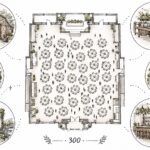
Request a documented floor plan and furniture inventory. Sketch the room before you finalize the menu or entertainment. The layout should leave clear sightlines to the honoree and speakers, comfortable paths between tables, enough room for the food line, and a practical location for gifts and memory displays.
Check the complete guest journey
Accessibility is more than a step-free entrance. The World Health Organization's guidance on loneliness and social isolation among older people connects social isolation and loneliness with serious effects on physical and mental health, quality of life, and longevity. Guests need to be able to arrive, find a seat, hear the program, use the restroom, and participate in conversation.
Verify parking, pathways, seating stability, lighting, acoustics, microphone clarity, quiet areas, and accessible restrooms. Ask how the venue handles mobility, hearing, vision, sensory, and transportation needs before invitations are finalized.
4. Plan the Program and Recognition Moments
A retirement celebration needs a program, but it shouldn't feel like a conference agenda. Decide what the honoree should experience, then build a short sequence around that purpose. A welcome, meal or reception, selected remarks, a gift or plaque presentation, and a final thank-you may be enough. A slideshow or video tribute can add warmth, but only if someone has time to collect, edit, approve, and test the material.
Choose speakers early. Ask each person to confirm their topic, submit names and titles for the program, and respect a clear time limit. A manager can recognize professional contributions, a colleague can share a specific memory, and a family member can speak about the person beyond work. Avoid assigning five people to repeat the same career summary.
Schedule the main recognition after guests have settled, but coordinate it with food service. Speeches during a noisy buffet line are hard to hear. Speeches immediately after a heavy meal may lose attention. Give the honoree a quiet break before the formal program if the day includes photographs, greetings, and extended setup.
Protect the honoree's preferences
Ask privately what stories, photos, workplace details, finances, health information, and jokes are off limits. Get approval before showing employee photos, client names, project documents, logos, office footage, or other confidential material. Offer a written message or recorded tribute for guests who don't want to speak publicly.
For a thoughtful gift, coordinate contributions and choose something that reflects the honoree rather than the entire planning committee. These retirement gift ideas for women from That Blanket Co can help when the group wants a personal keepsake instead of another generic office item.
5. Choose Catering and Food Service
Food service affects the room layout, schedule, budget, and guest experience. Choose between plated dinner, buffet, family-style service, or substantial appetizers based on the formality of the event and how much conversation you want. A barbecue buffet with brisket, sides, and a dessert table suits a relaxed Texas gathering. A plated meal creates a more formal rhythm and gives the recognition program a defined pause.
Ask each caterer how they'll enter the property, where they'll prep, where food will be held, and who handles service equipment and cleanup. Confirm insurance, food-handling credentials, staffing, rentals, service charges, and the final deadline for dietary information. Request a tasting when available, but judge the caterer on logistics as closely as flavor.
The floor plan should support the chosen service. A buffet needs queue space, table access, and a route that doesn't block speakers. Plated service needs enough space for servers to move between tables without interrupting remarks. Heavy appetizers need passed-service routes or well-placed stations so guests don't cluster at one doorway.
Build the menu around participation
Collect dietary restrictions discreetly through the RSVP process and give the caterer a clear list. Label food plainly, keep special meals easy for staff to identify, and make sure non-alcoholic drinks and water are available wherever guests gather. Older guests and guests with health conditions may need reliable seating and an unhurried meal service.
Coordinate meal timing with the program. If guests are still holding plates when the microphone starts, they'll focus on eating instead of listening. Give the venue manager, caterer, and program coordinator the same run sheet.
6. Arrange Beverages and Bar Service
Decide whether the party will offer alcohol, and choose the service format before you book the bar staff. Options include hosted beer and wine, a limited cocktail menu, a cash bar, or a fully non-alcoholic reception. The right choice depends on the audience, venue rules, budget, and the honoree's preferences. Don't make alcohol the center of a celebration that includes family members, older guests, or colleagues who don't drink.
Texas alcohol service requires early verification of licensing and staffing requirements. Ask the bartending company for its applicable Texas Alcoholic Beverage Commission permits and certification information, then confirm whether the venue requires an approved provider. Put responsibility for ice, glassware, mixers, refrigeration, water, and end-of-service procedures in writing.
A well-designed bar plan keeps service efficient without creating a bottleneck. Place water and non-alcoholic choices at every beverage point. Include coffee, tea, sparkling water, and appealing alcohol-free options rather than treating them as an afterthought.
Match service to the crowd
Use the party drink estimate guide from Beehive Bar as a planning reference, then adjust for the event's length, audience, meal format, and local service requirements. The calculator should inform a conversation with the bartender, not replace it.
Set a clear alcohol-service end time and tell the bar team who can authorize changes. Provide transportation information when appropriate, and make sure the coordinator knows how the venue handles guests who need assistance leaving.
7. Plan Décor, Theme, and Memory Elements
Décor should make the event feel like the honoree, not like a generic banquet. Start with the venue's existing architecture, furniture, colors, and outdoor setting. Then add a restrained theme based on the person's career, hobbies, travel plans, family, or community work. A career timeline with photos from different roles can work better than a room full of unrelated retirement slogans.
Memory elements need an owner. Ask one family member or colleague to collect photos, label names and dates, and secure permission for display. Place a memory table near the entrance so guests see it during arrival, but keep it away from the food line and main traffic path. A guest book, cards, or a private digital gallery can give quieter guests a way to contribute.
Review the venue's decoration rules before ordering supplies. Ask about candles, hanging items, confetti, adhesives, outside rentals, floral deliveries, and removal. Photo boards on easels are safer for the walls than attaching materials directly to them. Choose centerpieces that don't block sightlines or make conversation difficult.
For practical inspiration, review these retirement party decoration ideas from Texas Old Town.
Loud music, crowded tables, and an impressive slideshow can still exclude guests if they can't hear, move comfortably, or contribute in a way that suits them.
Plan setup and removal together
Every décor item needs an arrival time, setup owner, storage location, and removal plan. Label boxes by table or area. Keep an offline copy of approved photos, captions, and presentation files, and decide who takes personal items home after the event.
8. Send Invitations and Manage RSVPs
Invitations must answer practical questions before guests ask them. Include the honoree's preferred name and retirement wording, event date, arrival and end times, venue address, parking information, dress code, RSVP deadline, gift guidance, dietary fields, and accommodation contact. If the venue is in a rural or unfamiliar area, add clear directions and a map.
Send invitations with enough time for guests to arrange travel and respond. Use a mobile-friendly RSVP form rather than relying on scattered email replies. A lightweight event-management workflow can hold invitees, RSVP status, dietary restrictions, accessibility requests, tribute submissions, seating assignments, vendor deadlines, and thank-you notes in one place.
A 2025 survey of 1,058 U.S. marketers involved in company events reported that 78% used event technology during the prior 12 months, 88% planned to invest in it during 2025, and 68% used an event platform integrated with a CRM or broader marketing stack, according to the 2025 Events Outlook Report from Splash. Those figures describe marketing events, not retirement-party satisfaction, but they point to a useful planning practice: maintain one reliable source of truth.
Set a firm information deadline
Close RSVPs early enough to finalize catering, seating, name tags, access needs, and transportation. Send one reminder before the deadline, then contact important invitees directly if they haven't responded. Give organizers role-based access, define who can change the guest list, and export an offline backup before the party.
For practical event-day apparel or coordinated items, planners can review same-day apparel options for events, but don't make matching clothing a condition of participation.
9. Arrange Entertainment, Music, and Audio-Visual Needs
Music should support the event's mood without competing with conversation. A playlist may be enough for a family gathering. A DJ, acoustic musician, or live band can create a stronger focal point, but each option adds setup, power, sound-check, and space requirements. Ask what the honoree actually enjoys before booking an entertainer.
Build the playlist around favorite songs and meaningful periods from the honoree's working life. Keep dinner music low enough for table conversation. If you're using a band or DJ, confirm the stage or performance area, power supply, load-in route, equipment footprint, breaks, and departure time with the venue manager.
Audio-visual planning deserves its own checklist. Confirm the microphone type, speakers, projector or screen, laptop connections, video format, captions or transcripts, lighting, and backup files. Test the complete system in the actual room, not only at home. A presentation that works on one laptop can fail when the venue uses a different connector, aspect ratio, or sound output.
Rehearse the transitions
Run the welcome, meal cue, slideshow, speeches, presentation, and closing remarks in order. Give the coordinator a printed and digital run sheet with timestamps. Ask each speaker where to stand, how to approach the microphone, and who signals the next segment. Test outdoor and indoor sound separately if guests will move between spaces.
Keep a backup microphone, presentation copy, adapters, and printed remarks available when possible. Guests remember the honoree's words and the warmth of the room, not whether every visual effect appeared.
10. Plan Day-of Logistics, Staffing, and Guest Experience
Assign a day-of coordinator who isn't the honoree and isn't expected to host every conversation. That person should manage vendor arrivals, room access, signage, the run sheet, speaker cues, gift security, and unexpected changes. The host can welcome guests, while the retiree can enjoy them.
A venue with exclusive access from 8:00 a.m. to midnight can support a deliberate day-of sequence: vendor arrival, furniture placement, décor, catering setup, sound check, guest arrival, meal service, recognition, photographs, departure, and breakdown. Confirm these access terms directly with the venue. Texas Old Town lists exclusive 16-hour access, on-site event management, indoor and outdoor PA systems, Bluetooth hookup, wireless microphones, tables and chairs, prep kitchens, private parking, cleanup, and furniture breakdown among its event services.
Send the final run sheet to the venue manager, caterer, bartending company, entertainer, photographer, speakers, and volunteer team at least one week before the event. Include phone numbers, delivery instructions, parking directions, emergency contacts, and the location of supplies.
Close the accessibility and privacy gaps
The Connectra accessibility survey found that respondents most commonly evaluated event access through wheelchair or mobility access, cost, transportation, support-person or service-animal access, and sensory accommodations. It also reported that accommodation requests were only sometimes clear and easy to make for 50% of respondents, while more than 70% said planners did not or only sometimes considered sensory sensitivities.
Treat accommodation review as a formal gate. Confirm step-free routes, accessible restrooms, stable seating, clear sightlines, audible microphones, captions or transcripts, lower-sensory seating, dietary communication, and a named contact. Target zero unresolved requests 7 days before the event, then verify the route during a site walk-through.
Keep gifts in a secure location, label personal items, and prepare thank-you notes while memories are fresh. Send the final list and any approved photos to the person responsible for follow-up within two weeks after the celebration.
10-Point Retirement Party Planning Comparison
| Item | Implementation complexity | Resource requirements | Expected outcomes | Ideal use cases | Key advantages |
|---|---|---|---|---|---|
| Define Goals, Budget, and Guest Count | Low–Medium, initial decisions and documentation | Time for planning, budgeting tools, stakeholder alignment, 10–15% contingency | Clear scope, controlled spending, target venue size | First step for any event; tight budgets or shared funding | Prevents overspending; guides vendor and venue selection |
| Set the Date and Build a Backward Timeline | Medium, coordinate schedules and milestones | Calendar coordination, milestone plan, 6–12+ week lead times | Realistic deadlines, improved vendor availability, better guest notice | Events with travel or seasonal demand; high‑demand venues | Reduces last‑minute rushes; improves attendance planning |
| Select the Venue and Floor Plan | Medium–High, site visits and layout planning | Venue fees, tours, floor plans, accessibility and parking checks | Proper capacity, flow for seating/dance/food, logistical clarity | Events where tone, capacity, or accessibility matter | Sets event tone; avoids crowding and logistical conflicts |
| Plan the Program and Recognition Moments | Medium, scripting and speaker coordination | Run‑of‑show, speaker list, AV for speeches, coordinator time | Engaging, paced program; memorable tributes without overruns | Ceremonial events with speeches, awards, or tributes | Keeps schedule tight; highlights honoree effectively |
| Choose Catering and Food Service | Medium–High, menu selection and service planning | Largest budget item, caterer coordination, staffing ratios, tastings | Satisfying guest experience aligned with timeline | Food‑centric events; formal dinners or casual buffets | Polished experience; flexible cost control via service style |
| Arrange Beverages and Bar Service | Medium, licensing and staffing considerations | Beverage budget, bartenders/TABC permits, glassware, service plan | Appropriate drink availability, liability management | Adult gatherings; events offering alcohol or signature drinks | Increases hospitality; signature drinks can lower costs |
| Plan Décor, Theme, and Memory Elements | Medium, design and setup logistics | Decor budget, setup/takedown time, venue decoration rules | Cohesive atmosphere, personalized memory displays | Celebrations emphasizing personality, career, or theme | Creates emotional impact; facilitates guest interaction |
| Send Invitations and Manage RSVPs | Low–Medium, messaging and tracking | Invitation tools or printing, RSVP tracking system, follow‑up time | Accurate guest list, dietary and plus‑one info | Events requiring firm headcounts or travel coordination | Improves forecasting; simplifies final catering numbers |
| Arrange Entertainment, Music, and AV Needs | Medium–High, technical and performer coordination | DJ/band or playlist, AV equipment, sound checks, technician time | Appropriate mood, smooth music and multimedia during program | Events with dancing, live acts, or slideshow tributes | Elevates atmosphere; supports program flow and timing |
| Plan Day‑Of Logistics, Staffing, and Guest Experience | High, detailed coordination and contingency plans | Coordinator/volunteers, signage, vendor contacts, emergency kit | Smooth execution, clear guest flow, reduced host stress | Large events, mixed indoor/outdoor sites, multiple vendors | Prevents disruptions; improves accessibility and comfort |
Lock In the Details and Keep Your Checklist Moving
A retirement party checklist only works when every task has an owner, a deadline, and a written confirmation. A beautiful venue won't solve an unassigned microphone. A thoughtful speech won't help if the honoree's preferred wording was never confirmed. A strong caterer still needs the final headcount, dietary notes, loading instructions, and program timing.
Start with the three decisions that shape everything else: why you're holding the party, who needs to be there, and what the budget can support. Then secure the date and venue before you spend money on décor, invitations, entertainment, or printed materials. Keep the floor plan, guest data, accommodation requests, vendor contacts, and run sheet in one controlled workspace. Export a backup and make sure the day-of coordinator has access to the information without depending on one person's inbox.
The event should reflect the retiree's actual transition. Some people want a traditional farewell. Others are moving into consulting, part-time work, travel, volunteering, a second career, or a less public change. Ask what the celebration means to them, what they don't want mentioned, and which people should be included. That conversation protects the emotional tone of the entire program.
Accessibility belongs in the first planning meeting, not the final venue walk-through. Confirm the route from parking to the room, the availability of seating and restrooms, sound quality, quiet options, captioning, food communication, and support-person arrangements. An event succeeds when guests can participate comfortably, not merely enter the building.
One week before the party, confirm the venue, caterer, bartending company, entertainment, photographer, accessibility arrangements, guest count, media files, and run sheet in writing. Assign one coordinator to track changes from vendor arrival through final departure. Give that person authority to make small operational decisions, while the host and honoree focus on the people who came to celebrate.
Afterward, secure gifts and personal materials, remove files that weren't intended for public sharing, return rentals, settle invoices, and send thank-you notes. A retirement party is a single gathering, but its value continues in the messages, stories, and relationships it brings back into the room.
Texas Old Town offers four private event venues in Kyle, Texas, with indoor and outdoor settings, documented furniture counts, sound systems, prep kitchens, beverage-bar options, private parking, on-site management, cleanup, and furniture breakdown. Visit Texas Old Town to review the venue options and plan a retirement celebration with a defined setup, event, and breakdown schedule.