You fall in love with a venue at 10 p.m. on Instagram. By the first planning call, practical questions show up fast. How many hours are included, when vendors can load in, whether you have to use the in-house bar, what happens if the ceremony lawn is too wet, and whether the indoor backup space still feels like a wedding instead of a compromise.
In Central Texas, those details shape the day as much as the view. Heat, wind, sudden rain, uneven ground, and long guest shuttle routes can turn a beautiful property into a hard event to run if the logistics are weak. I always tell couples to judge scenic wedding venues on two tracks at once. The backdrop has to photograph well, and the venue has to function well under pressure.
That is the lens for this list.
These Central Texas venues stand out for their setting, but the primary goal is to help you compare rental hours, vendor flexibility, weather contingency plans, parking, and flow from ceremony to reception. Those are the choices that affect setup time, catering performance, guest comfort, and whether the night feels calm or rushed.
If you are building a shortlist, use this as a planner-minded starting point and pair it with ways to improve your wedding photography once the venue is locked.
Table of Contents
- 1. Texas Old Town
- 2. Camp Lucy
- 3. Ma Maison
- 4. Pecan Springs Ranch
- 5. The Addison Grove
- 6. The Greenhouse at Driftwood
- 7. Chapel Dulcinea
- Top 7 Scenic Wedding Venues Comparison
- Choosing Your Perfect Texas Backdrop
1. Texas Old Town
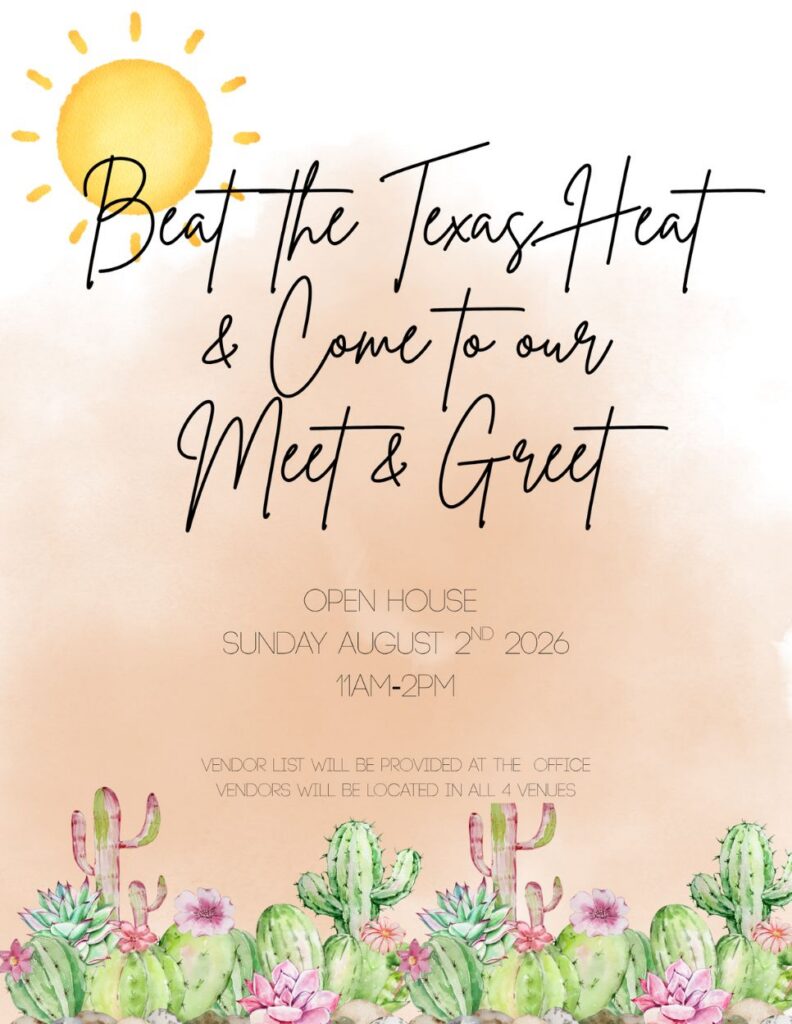
A wedding day gets tight fast when hair and makeup run late, the florist is waiting on table access, and the indoor backup plan turns out to be a cramped side room. Texas Old Town stands out because it gives planners more room to solve those problems before they become expensive ones. In Kyle, the 55-acre property includes four separate venues, Tejas, Sage, Stone, and Redbud, so couples can choose a layout that fits their guest count, ceremony plan, and reception flow instead of forcing one format onto every event.
The planning advantage starts with time. Texas Old Town offers a 16-hour rental window from 8:00 a.m. to midnight, which changes the pace of the day in a very practical way. Vendors can load in earlier, first-look photos do not have to compete with setup, and cleanup is less rushed at the end of the night. Couples comparing venues can use this wedding venue selection guide from Texas Old Town as a starting checklist, but the key question here is simple: how much schedule pressure do you want to absorb on your wedding day?
Why planners like the logistics
Texas Old Town is planner-friendly because the core event pieces are already accounted for. Each venue includes an outdoor ceremony site with seating, an indoor climate-controlled hall, dressing suites, indoor and outdoor PA systems with Bluetooth and a wireless mic, a prep kitchen with a separate vendor entrance, on-site management, and post-event cleanup with furniture breakdown.
Those details matter more than the photo gallery. They affect whether the caterer can work efficiently, whether guests can hear the ceremony, and whether a weather shift causes a minor adjustment or a full timeline rewrite.
A few operational points stand out:
- Rental hours: Sixteen hours gives the vendor team enough working time to set, photograph, celebrate, and strike without compressing everything around the ceremony.
- Vendor flexibility: Couples can bring in their own caterer, which helps with cultural menus, dietary needs, and budget control.
- Weather contingency: The indoor ceremony option is usable as part of the event plan, not a last-minute compromise.
- Setup accuracy: Clear furniture counts and venue specs make floor plans easier to draft correctly before wedding week.
My rule with any scenic venue is straightforward. Ask to see the rain plan with your actual guest count, not an idealized version on a sales sheet.
Best fit and trade-offs
The four-hall setup gives Texas Old Town a practical edge for couples who want scenery without losing operational control. Tejas accommodates larger events, up to 320 guests. Sage and Stone each host up to 300. Redbud is the more intimate option, with capacity up to 150. That spread makes it easier to match the space to the wedding instead of paying for a room that feels either overcrowded or half-empty.
There are trade-offs. Pricing is not listed as a simple flat rate online, so couples should expect to ask direct questions during the tour. The bar setup also requires one more decision point. Couples provide the alcohol, and service is handled by an approved bartending company. Some couples like that control. Others would rather have one in-house package and fewer moving parts.
One budget note works in its favor. The quoted price includes sales tax and gratuity, which makes cost planning cleaner than venues that look reasonable at first and then add fees across the contract.
2. Camp Lucy
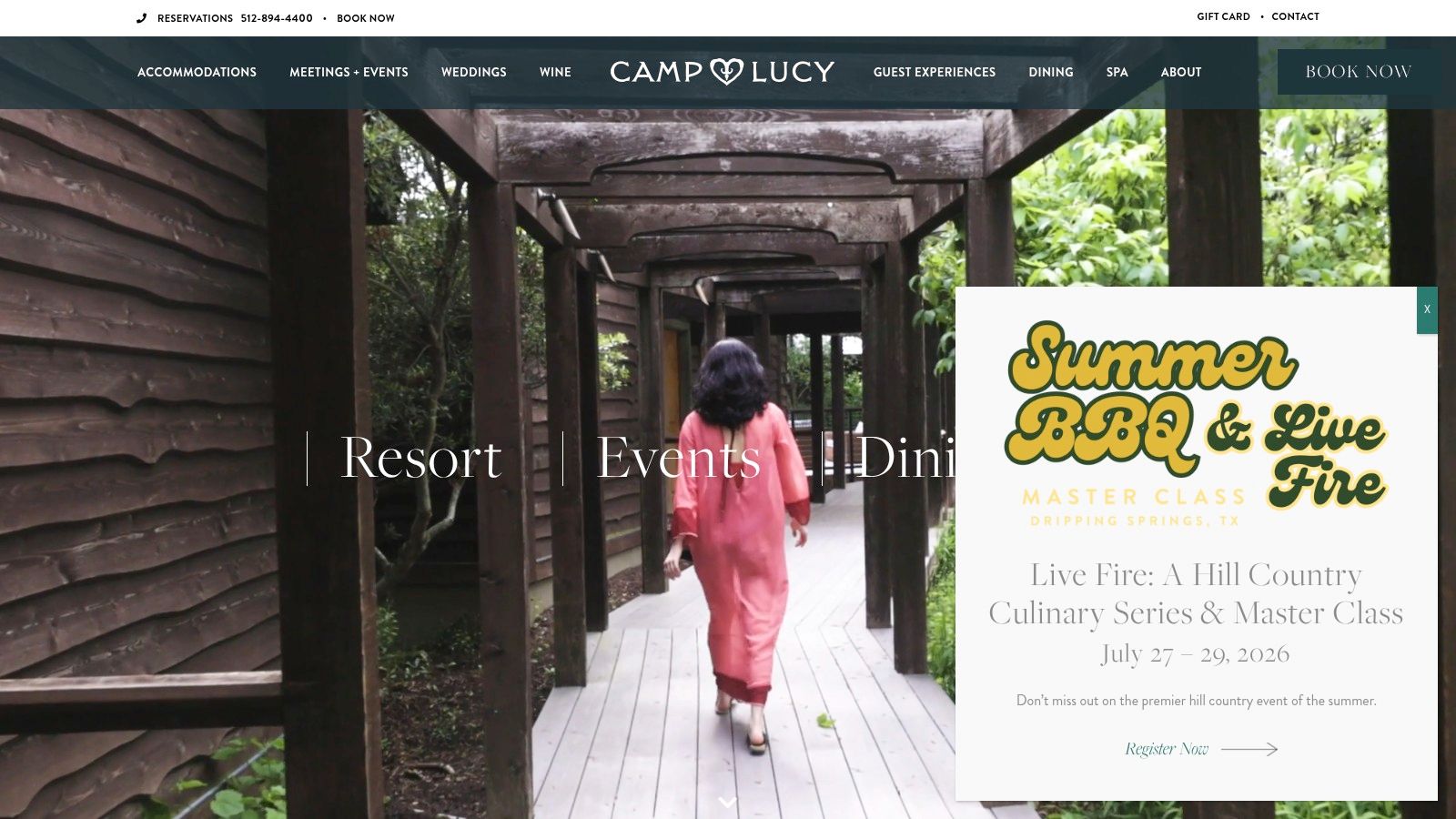
A couple checks in on Friday, hosts a welcome dinner that night, gets married on Saturday, and closes the weekend with brunch on Sunday. Camp Lucy is built for that format. It works best for weddings where the venue needs to do more than provide a pretty ceremony backdrop.
The advantage is operational. On-site lodging cuts shuttle complexity for at least part of the guest list. Multiple event spaces make it easier to separate the ceremony, cocktail hour, reception, and after-party without asking guests to change properties. For planners, that usually means fewer transportation gaps, fewer late arrivals, and a cleaner timeline overall.
Camp Lucy also suits couples who want a polished venue system instead of a fully custom build. Food, service, and guest flow are more structured here than at properties that hand you a blank slate and a vendor list. That can save time and reduce coordination risk, but it does mean less flexibility in how every piece is sourced and staged.
Here is what I would verify before signing:
- Rental hours: Ask what access window is included for setup, event time, and breakdown. A scenic property loses value fast if the schedule is too tight for a full install.
- Vendor flexibility: Confirm which services must stay in-house and where outside vendors are allowed. This matters if you have a cultural caterer, a specialty production team, or a planner who prefers specific rental partners.
- Weather backup: Request the actual rain plan for your guest count and layout. Do not settle for a vague promise of an indoor option.
- Guest lodging logistics: Check room counts, booking deadlines, and whether key family members can stay close to the getting-ready spaces.
- Movement across the property: Walk the route guests will take at night, in heels, or after rain. Distance looks different on a map than it does during a wedding weekend.
The trade-off is straightforward. Camp Lucy is strongest for couples who want a hosted, resort-style experience with fewer moving parts to build from scratch. Couples who want total freedom on catering, bar structure, or vendor mix may find the framework more restrictive than ranch venues with open policies.
If you are still narrowing your shortlist, this guide on how to choose a wedding venue helps frame the right questions before you tour.
3. Ma Maison
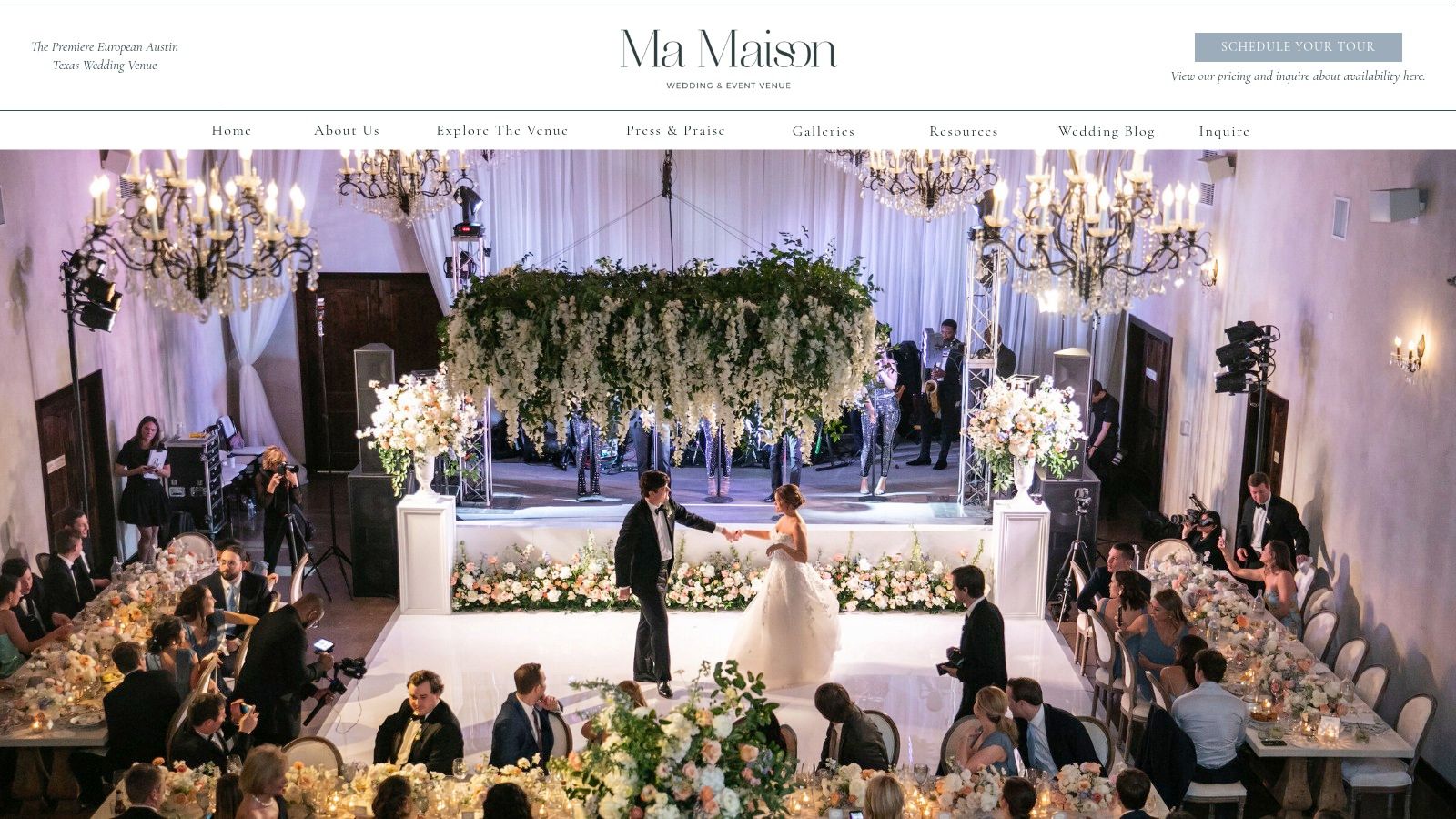
Ma Maison feels purpose-built for couples who want refined Hill Country scenery instead of a rougher ranch look. The Dripping Springs estate spans 23 acres and offers several distinct ceremony locations, including garden and chapel settings, plus an indoor Great Hall for the reception. That combination gives the day a polished flow, especially if you want the ceremony backdrop and the reception room to feel related rather than disconnected.
For planners, the useful detail is that the venue presents itself as a complete wedding environment. You're not trying to invent beauty in a blank shell. The architecture and grounds already do a lot of the visual work.
Ma Maison also benefits from the broader shift toward scenic, experience-driven venues. The global wedding venue service market reached USD 223.05 billion in 2025 and is projected to reach USD 634.61 billion by 2034, with couples showing strong interest in premium, resort-style, outdoor, and eco-conscious settings, according to wedding venue service market reporting. That doesn't tell you whether a venue is right for you, but it does explain why places with multiple scenic ceremony options are in such high demand.
What to verify before you book
Ma Maison is a good venue for couples who want elegance and a strong indoor backup without losing the outdoor experience. It's less ideal for people who want highly open outside catering rules or a very stripped-down, casual wedding style.
The most common planning mistake with estates like this is assuming every ceremony location functions equally well for every guest count. Walk each site with your real layout in mind.
A few questions deserve direct answers during the tour:
- Preferred catering policy: Ask how much flexibility you have, especially if family traditions or specialty cuisine matter.
- Rain-plan transition: Confirm which outdoor ceremony sites move most cleanly into the indoor plan.
- Capacity by setup style: Ceremony capacity and seated dinner capacity can feel very different on the same property.
4. Pecan Springs Ranch
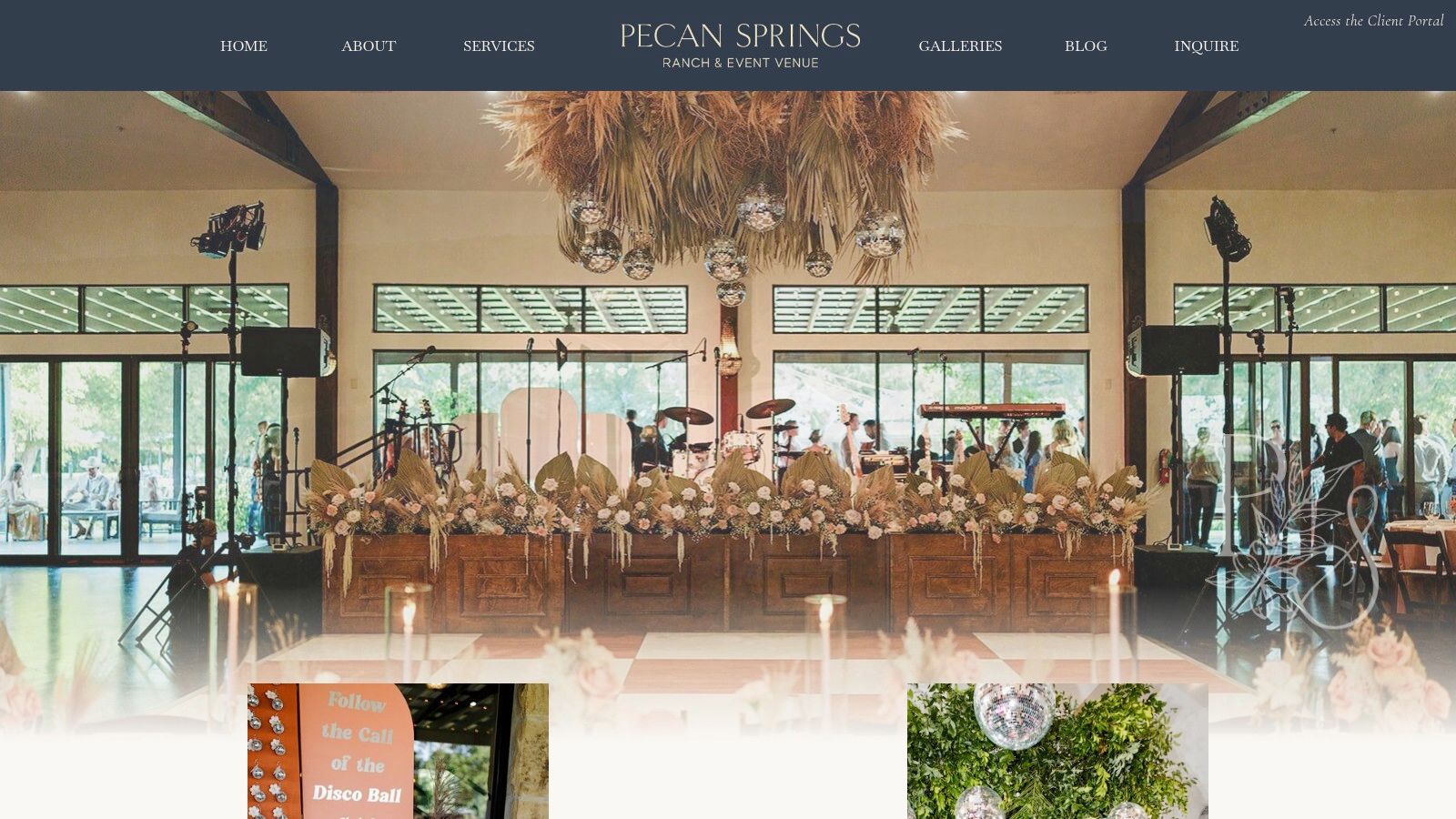
A common Austin wedding problem goes like this: the venue looks beautiful online, then the timeline falls apart because vendors are driving too far, guests arrive late, and the rain backup feels like an afterthought. Pecan Springs Ranch avoids a lot of that.
The property gives couples the parts they usually want from a scenic venue, mature trees, water views, open lawn, a covered pavilion, and an indoor hall, without pushing the event far outside the city. From a planning standpoint, that matters. Shorter drive times usually mean fewer transportation headaches, easier load-in for rentals, and less risk for elderly guests or anyone flying in and relying on rideshares.
What makes this venue useful is not just the setting. It is the way the spaces can support a realistic wedding-day flow. You can hold a ceremony outside, move cocktail hour into covered space if the weather shifts, and keep dinner and dancing in climate control. That kind of layout helps when Texas heat shows up stronger than expected or a storm rolls in at the wrong hour.
Where this venue works best
Pecan Springs Ranch fits couples who want outdoor atmosphere but do not want the operational strain of a remote ranch. I usually point planners and clients to three things here before they book: rental hours, vendor rules, and the rain plan. Ask how early vendors can access the property, whether outside catering or specialty cultural vendors face restrictions, and exactly how the backup layout changes guest flow. A backup plan only works if it still feels intentional.
A few practical trade-offs stand out:
- Best advantage: Scenic grounds close to Austin, which makes guest arrivals and vendor coordination easier
- Main planning issue: Limited on-site lodging, so hotel blocks and shuttle timing need to be mapped early
- Good fit for: Couples who want garden-style photos and a flexible event footprint without a long country drive
If your style runs more rustic than formal, these tips for planning a rustic Texas Hill Country wedding are useful for testing whether the look you want matches the logistics you will need.
5. The Addison Grove
The Addison Grove does a specific thing very well. It gives couples a live-oak ceremony setting that feels classically Central Texas, then pairs it with a modern barn-style reception hall that doesn't feel overly rustic. For many couples, that's the sweet spot.
The hall is 6,500 square feet, and the large sliding glass doors opening onto the covered cocktail patio help the venue feel connected rather than split into indoor and outdoor halves. That's a useful feature in a region where couples want the scenery but still need airflow, shade, and weather flexibility.
Best use case
This venue works well for couples who want Austin convenience without a downtown hotel-ballroom feel. Guests can get there easily, find lodging nearby, and still feel like they attended a Hill Country wedding rather than a city event.
The trade-off is privacy. A venue this close to Austin won't feel as secluded as a farther-out ranch or resort campus. The upside is better transit, simpler vendor coordination, and less risk that guests get lost on the last stretch of country road.
If guest experience is a priority, convenience counts as part of the venue design. Beautiful doesn't help much if everyone arrives stressed.
The on-site bridal house is another practical plus. Comfortable getting-ready space matters more than couples think, especially when hair and makeup, photography, steamer setups, and family traffic all collide in the same few hours.
6. The Greenhouse at Driftwood
Guests step into cocktail hour, glasses fog, makeup starts to slip, and the room that looked stunning in photos suddenly feels harder to manage. That is the real planning question with The Greenhouse at Driftwood. It is visually striking, but it rewards couples who pay close attention to comfort, timing, and backup plans.
The draw is obvious. Two greenhouse settings, one tropical and one desert, give the venue a built-in design point of view. Couples can spend less on added decor because the setting already carries a lot of the visual weight. For smaller weddings, that can be a smart budget trade. You get a strong atmosphere without filling the space with extra rentals just to make it feel finished.
From a planner's perspective, the bigger conversation is logistics. Ask for the full rental window, not just the event start and end time. Greenhouse weddings often need more setup discipline because florals, candles, catering, and guest seating all have to work with the existing environment rather than compete with it. Vendor flexibility matters too. Some teams handle botanical spaces beautifully. Others are less prepared for heat, moisture, tight load-in paths, or protecting plant areas during installation.
Weather planning also needs to be specific. A greenhouse is not the same as a standard indoor venue, and it is definitely not the same as a ballroom with aggressive climate control. Couples should ask how the venue handles hot afternoons, rain changes, guest flow between spaces, and whether there is a true fallback plan if conditions turn uncomfortable. A practical outdoor ceremony weather backup plan helps frame the right questions before you sign.
Best use case
The Greenhouse at Driftwood fits couples who want a venue with a clear identity and a guest count that suits a more intimate layout. It is less effective for large weddings, traditional ballroom-style receptions, or events where every part of the day needs to happen on a rigid, high-capacity schedule.
Before booking, get direct answers on three points:
- Rental hours: How much access time is included for setup, portraits, and breakdown
- Vendor rules: Whether you can bring in your own planner, caterer, rentals, and entertainment without heavy restrictions
- Weather contingencies: What changes operationally if heat, rain, or humidity affect the original plan
Beautiful rooms book weddings. Clear policies save them.
7. Chapel Dulcinea
Chapel Dulcinea is one of the most iconic scenic wedding venues near Austin because the ceremony setting is dramatic, open-air, and cliffside. It's also famously appealing for budget-conscious couples because ceremonies can be reserved at no cost, with paid reservation options available. If your priorities are a striking ceremony backdrop and a leaner budget, it deserves a serious look.
The catch is that it's a ceremony-only play. You're not booking a full wedding venue. You're booking one beautiful piece of the day.
How to make this venue work
This venue seats up to 60 guests, so it's best for elopements and smaller weddings. The open-air design also means the weather plan has to be handled elsewhere, not wished into existence on the morning of the wedding.
That's where many couples get tripped up. They save money on the ceremony site, then discover they now have two venue timelines, two access policies, two sets of vendor instructions, and one extra transportation problem to solve.
A few practical notes matter here:
- Reception pairing is mandatory: You need a separate reception venue with its own rental window and policies.
- Booking competition is real: Time blocks are limited, and sought-after dates move quickly.
- Weather exposure is total: There isn't a built-in enclosed ceremony fallback on the chapel site itself.
For anyone considering an outdoor ceremony-first venue, these tips for an outdoor ceremony are worth reading before you commit. They'll help you think past the view and into the actual guest experience.
Top 7 Scenic Wedding Venues Comparison
| Venue | Implementation complexity | Resource requirements | Expected outcomes | Ideal use cases | Key advantages | Key limitations |
|---|---|---|---|---|---|---|
| Texas Old Town | Low, turnkey campus with on-site manager and long rental window | Moderate, BYOB policy (approved bartending), prep kitchen, flexible vendors | Reliable, well‑supported weddings up to ~320 guests | Large weddings, corporate events, couples needing flexible logistics | Multiple halls on one campus, 16‑hour rental, transparent pricing approach, awards | No published flat rates; BYOB coordination required |
| Camp Lucy | Medium, resort-style coordination with many on‑property services | High, on‑site lodging, spa, in‑house culinary and event staff | Destination weekend weddings with varied scenic settings | Multi‑day buyouts, guests needing lodging and amenities | On‑site lodging/spa/restaurant, multiple ceremony options, weather backups | Less DIY flexibility; high demand books early |
| Ma Maison | Medium, purpose‑built estate with coordinated flows | Moderate, preferred vendors common, downloadable brochure available | Elegant, cohesive indoor/outdoor ceremonies; large outdoor capacity | Refined Hill Country weddings and large ceremonies | European‑inspired estate, multiple ceremony sites, Great Hall | Pricing/capacity details require inquiry; preferred‑caterer model |
| Pecan Springs Ranch | Low–Medium, straightforward indoor/outdoor setups near the city | Moderate, limited on‑site lodging, ADA parking, easy vendor access | Lush garden weddings with practical logistics (~300 indoor capacity) | Couples wanting scenic grounds with easy Austin access | Mature trees/pond, covered pavilion, weather‑adaptive spaces | No public pricing; limited on‑site lodging for guests |
| The Addison Grove | Low, barn‑style venue with on‑site bridal house simplifies day‑of logistics | Moderate, high demand scheduling; close city access eases travel | Modern‑rustic, elegant ceremonies under live oaks | Couples seeking stylish oak‑grove ceremonies near downtown Austin | Large 6,500 sq ft hall, live oak canopy, luxury bridal house | Less secluded than remote venues; books quickly |
| The Greenhouse at Driftwood | Medium, specialized greenhouse environments need planning | Moderate, climate control considerations, photography‑centric setup | Intimate, highly photogenic botanical weddings | Small to mid‑size couples prioritizing unique, nature‑centric settings | Distinctive greenhouse biomes, minimal extra decor needed | Lower capacity than barns; climate/weather dependent |
| Chapel Dulcinea | Low, simple ceremony logistics but ceremony‑only | Low for ceremony, free reservations available; separate reception required | Dramatic cliffside ceremonies for up to ~60 guests | Elopements, intimate ceremonies, budget‑sensitive couples | Iconic free or low‑cost ceremony location with stunning views | Ceremony‑only, exposed to weather, limited time slots and high demand |
Choosing Your Perfect Texas Backdrop
A venue can look perfect at sunset and still create a hard day for everyone involved. I have seen beautiful properties fall apart on the schedule because the load-in window was too short, the rain plan felt like an afterthought, or outside vendors had to work around rules the couple did not catch during the tour.
That is why venue selection should start with logistics, not just the photo gallery. Rental hours determine whether hair and makeup, ceremony setup, family photos, and breakdown can happen without rushing. Vendor flexibility affects both budget and quality, especially if you already have a caterer, planner, or florist you trust. Weather backup matters just as much in Central Texas, where heat, wind, and fast-moving storms can change the plan in a few hours.
On tours, ask the questions that expose pressure points early. How long is the actual access window? Is the indoor backup fully furnished and ceremony-ready, or does the staff have to flip the room mid-day? Are there covered paths between dressing suites, ceremony space, and reception area? How easy is vendor load-in, and where do guests park if the ground is wet?
The right answer depends on how you want the day to run.
Camp Lucy makes sense for couples planning a full wedding weekend with guests on-site. Ma Maison suits couples who want estate style with a polished presentation. Pecan Springs Ranch works well for greenery and relative proximity to Austin. The Addison Grove is a smart fit for couples who want an oak setting without sending guests deep into the Hill Country. The Greenhouse at Driftwood stands out for couples prioritizing a distinctive visual setting and a smaller guest count. Chapel Dulcinea fits intimate ceremonies, especially when reception plans will happen elsewhere.
Texas Old Town deserves a practical look if flexibility is high on your list. Its four separate venues, indoor and outdoor ceremony options, 16-hour rental window, open vendor policy, and on-site management give planners more room to build a realistic timeline. If you want Hill Country scenery without boxing yourself into a rigid event format, Texas Old Town is worth touring early.
Choose the backdrop that still works at 11 a.m., 4 p.m., and during a weather pivot. That is usually the venue couples feel happiest about after the wedding, not just before it.