Finding your perfect Austin wedding venue starts with a mood board and ends with a spreadsheet. You might be picturing a Hill Country sunset, a glass-walled ballroom, or a stone chapel with a clean indoor backup. Then questions arise. How many hours do you get on site? Can your caterer load in without crossing the guest path? Is cleanup included, or are you paying a team to stack chairs at the end of the night?
That practical layer matters in Austin more than couples expect. The Austin Round Rock market is projected to host 12,973 weddings in 2025, with about $497.9 million in annual wedding spending and an average wedding spend of $38,379, according to Austin Round Rock wedding market projections. In a market this active, pretty venues book fast. The ones that make planning easier stand out even more.
This guide focuses on seven strong options for those seeking a wedding venue in Austin. Not just by style, but by how they work on an actual wedding day. Rental time, included spaces, vendor rules, guest flow, and where couples tend to get surprised.
Table of Contents
- 1. Texas Old Town
- 2. Barr Mansion & Artisan Ballroom
- 3. The Addison Grove
- 4. The Arlo
- 5. Ma Maison
- 6. Camp Lucy
- 7. Villa Antonia
- Comparison of 7 Austin Wedding Venues
- Choosing the Right Venue for Your Big Day
1. Texas Old Town
A common Austin-area planning problem shows up after the venue is booked. The room looks right in photos, but the rental window is tight, vendor access is clumsy, and the final bill grows once rentals, setup, and service details are clarified. Texas Old Town is a venue in Kyle that addresses several of those issues early, which is why many couples keep it on the shortlist once they start comparing logistics instead of just style.
The property has four separate halls on a large campus, which gives couples more control over fit. Redbud usually makes more sense for smaller weddings. Tejas, Sage, and Stone are better suited to larger guest counts and different layout preferences. That matters in practical terms. Room size affects ceremony spacing, bar lines, dance floor energy, parking flow, and how much furniture has to be brought in to make the event feel finished.
Why Texas Old Town works so well logistically
The detail I pay attention to first here is the 16-hour rental window, from 8:00 a.m. to midnight. That extra time changes the pace of the day. Hair and makeup can happen on site without stacking everyone into an early arrival. Florists, caterers, DJs, and planners have more room for load-in and setup. If photos run late or weather forces a ceremony adjustment, the whole timeline does not fall apart as quickly.
Long rental windows usually save money in places couples do not see on the first quote. They reduce rush fees, overtime risk, and last-minute rental decisions made under pressure.
The included items also deserve a close read, because they often cause venue budgets to drift. Texas Old Town includes dressing suites with private restrooms and vanities, a prep kitchen with a separate service entrance, indoor and outdoor PA access with Bluetooth and a wireless mic, furniture, parking, on-site venue management, cleanup, and furniture breakdown. Those are not glamorous line items, but they affect labor, setup time, and how many outside rentals you still need to source.
Vendor flexibility is another practical advantage. Couples can bring in their own caterer, which matters if food is a cultural priority or if a family already has a trusted vendor. There is still enough structure to keep planning under control, since the venue offers a preferred list for couples who want options that already know the property. If you're still weighing the broader market before touring, this guide on why Austin works well for weddings gives useful local context.
Best fit and trade-offs
Texas Old Town fits couples who want Hill Country character but do not want an all-in package dictating every decision. It also works well for families planning larger celebrations that need parking, a clear service setup, and a timeline that does not feel compressed.
The trade-offs are straightforward:
- Pricing is quote-based: Ask about your date, hall, and included items early so you can compare real totals, not starting numbers.
- Bar service needs coordination: Couples need to plan beverage service and use an approved bartending company.
- Four halls require discipline: Choose based on guest count, floor plan, and service flow, not just the ceremony backdrop.
The venue has been operating at a high volume for years, and that history matters less as a badge than as a planning signal. Experienced teams usually have cleaner processes for load-in, turnover, and the small issues that come up on wedding days.
2. Barr Mansion & Artisan Ballroom
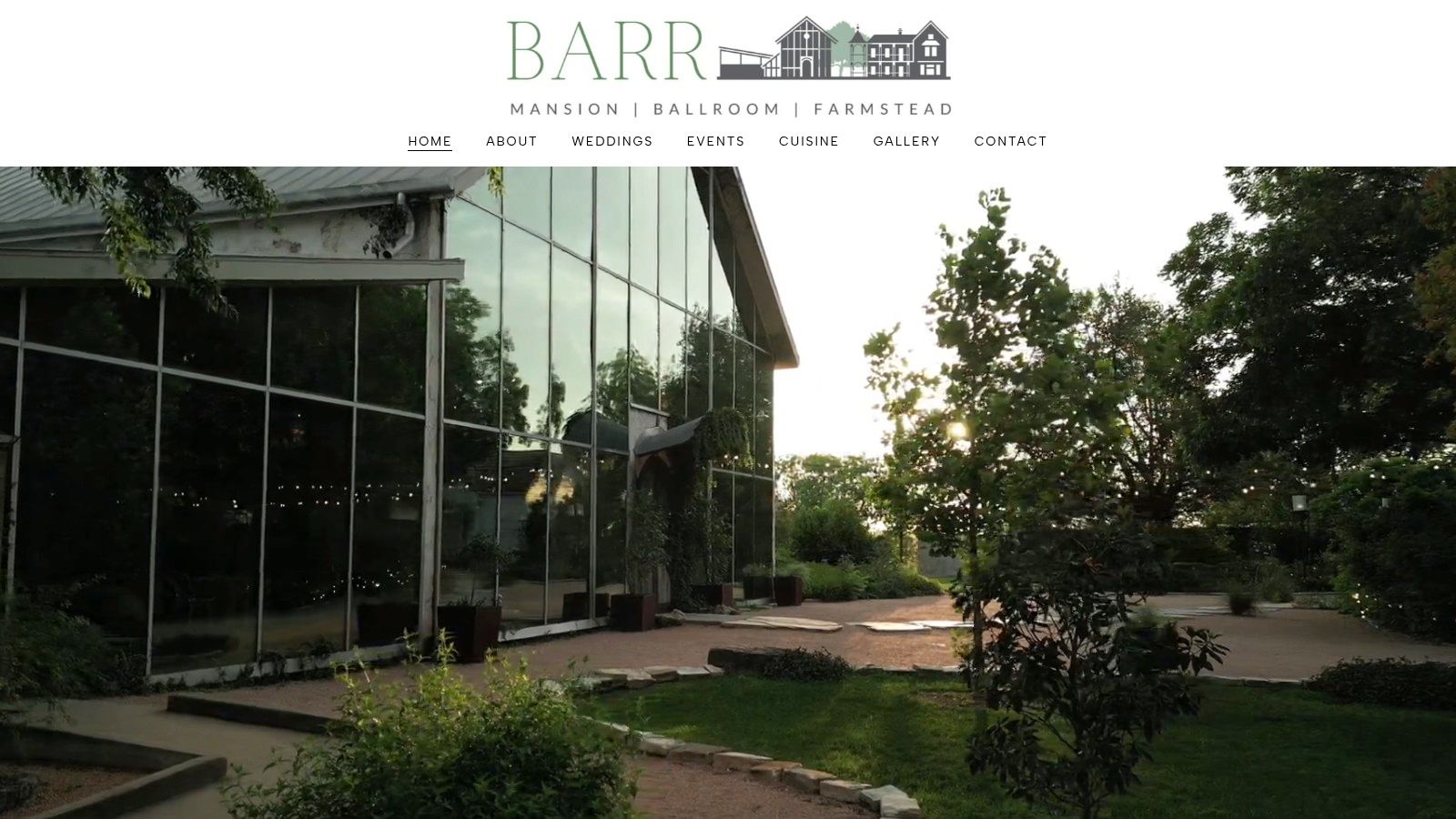
Barr Mansion is one of the better choices for couples who want a venue with a strong point of view and fewer moving parts. The combination of the historic mansion, modern glass ballroom, and gardens gives you multiple looks on one property. That's useful for ceremony, cocktail hour, and reception transitions because guests don't feel like they're staying in one static room all evening.
Its full-service model is the main draw. The venue operates with an in-house culinary team and bar program, which tends to tighten execution. If food quality is high on your priority list, Barr Mansion belongs on your tour list.
Where Barr Mansion shines
The estate can host seated events up to 350 guests, and the prep access in the mansion helps the day start in a setting that feels consistent with the rest of the property. For couples planning a polished event with a defined service style, that cohesion is a genuine advantage.
Austin couples often start venue hunting with aesthetics, then realize they need to think harder about guest movement and regional planning pressure. If you're still weighing the area itself, this short read on why Austin works so well for weddings is useful context.
Here are the trade-offs I'd flag quickly:
- Food control is limited: If you have your heart set on a specific outside caterer, this likely isn't your venue.
- No on-site lodging: That's fine for local guests, less ideal for a full wedding weekend.
- Style is specific: The mansion-plus-ballroom pairing is beautiful, but couples wanting a blank slate may feel boxed in.
Good venue flow isn't about having more spaces. It's about keeping guests oriented while vendors work behind the scenes.
Barr Mansion works best for couples who want service structure, strong food, and a venue that already knows how to produce a well-coordinated event.
3. The Addison Grove
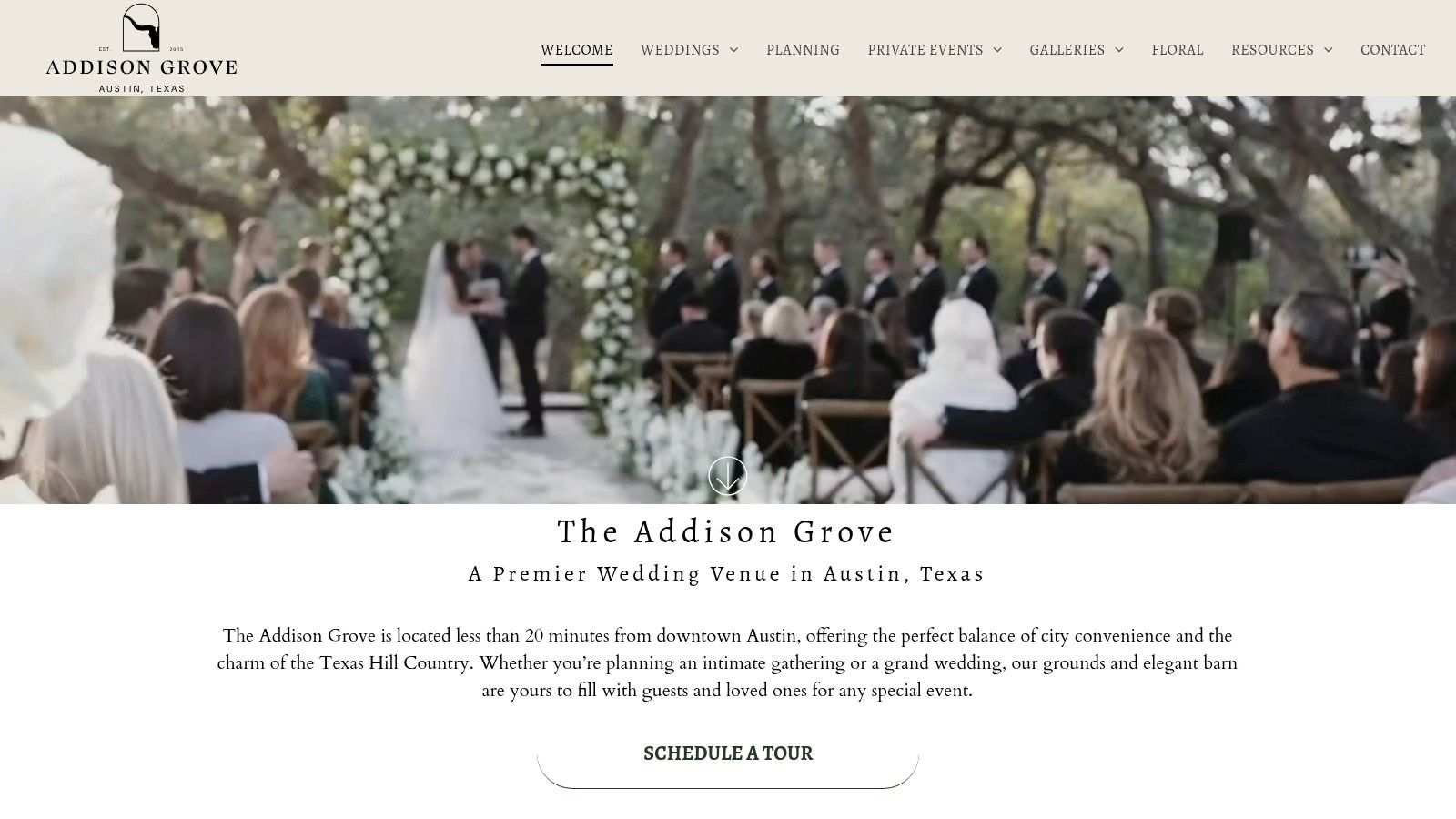
A common Austin wedding problem looks like this: guests want a Hill Country setting, but the couple does not want to send everyone so far outside the city that transportation turns into a separate line item to manage. The Addison Grove usually enters the conversation right there. It gives couples that outdoor, oak-tree, modern-farmhouse look while keeping guest travel more manageable than many deeper Hill Country properties.
From a planning standpoint, the bigger draw is that the venue is built to host weddings repeatedly, not adapted for them. Full-day access, furniture, bar service, coordination support, and an indoor backup plan all matter because they affect labor hours, rental orders, and timeline pressure. Couples comparing flexible venues against more structured ones should review a guide on how to choose the right Austin wedding venue for your priorities before they tour.
Where The Addison Grove makes sense
This venue fits couples who want support without going fully all-inclusive. That middle ground can be useful. You get more built-in infrastructure than a raw property, but you still have room to shape the event with your own vendor team and design choices.
The furniture inventory is a real budgeting point, not a throwaway perk. Included tables and chairs can reduce rental complexity, especially if your guest count is in that broad mid-size range where extra lounge pieces, specialty bars, and ceremony setups already push costs up.
The rain plan also deserves more attention than it usually gets. A backup space only helps if it still protects the guest experience, the floorplan, and the service flow. At Addison Grove, weather contingency feels like part of the venue's normal operating plan, which is what couples should look for.
A few trade-offs deserve a clear look:
- Bar flexibility is narrower: Couples who want to bring in outside alcohol or heavily customize bar service may feel the limits here.
- Published pricing is limited: You will likely need an inquiry and a call to compare it properly against venues with clearer package structures.
- The style is specific: The warm rustic-modern look photographs well, but it is not a blank canvas for every design direction.
I usually recommend Addison Grove to couples who care about guest convenience, want a venue that already has the basics handled, and prefer fewer surprise rentals. It is less about dramatic architecture and more about making the wedding day function well. In practice, that often saves more stress than couples expect.
4. The Arlo
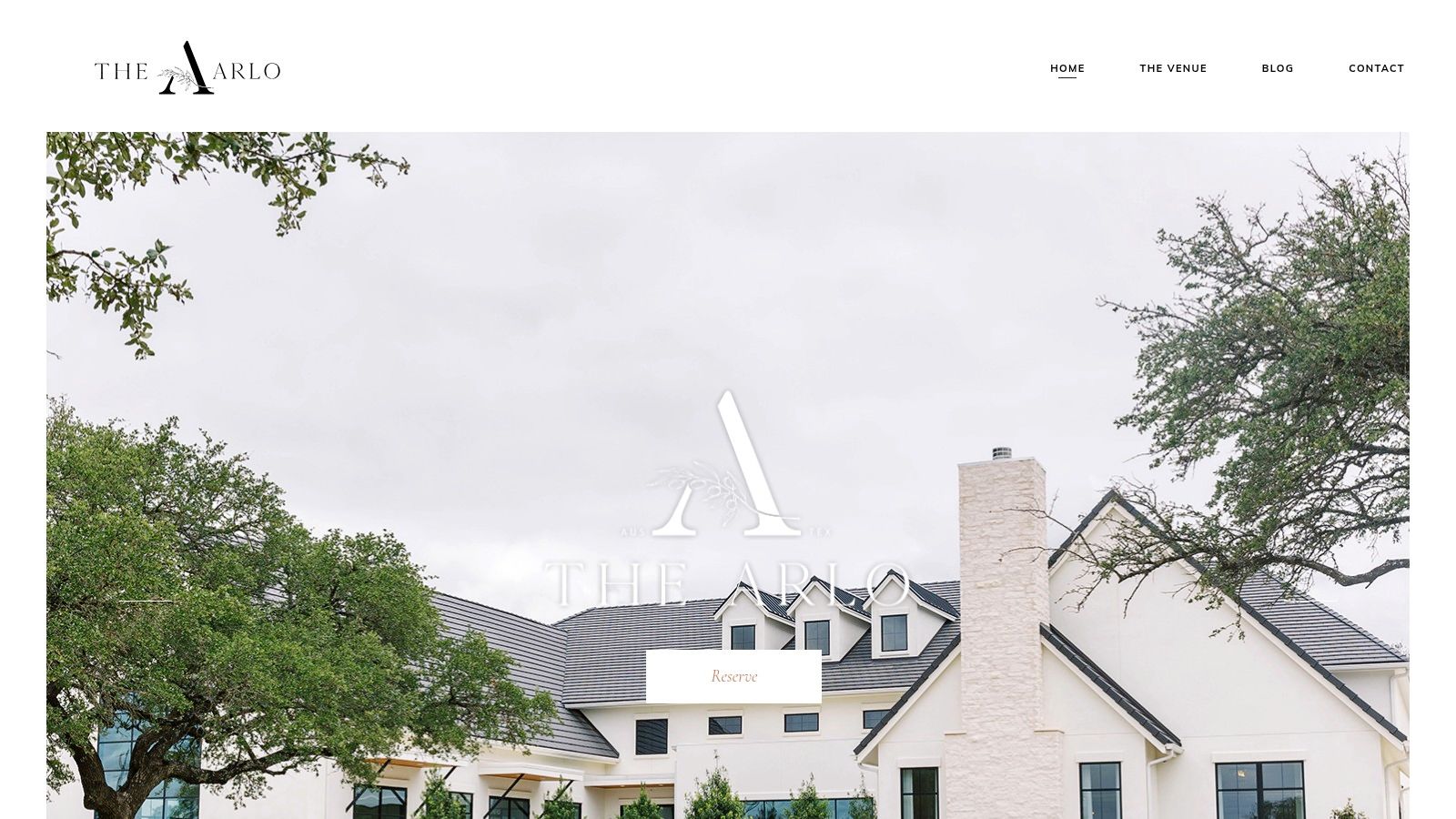
The Arlo is a cleaner, more contemporary answer to the Hill Country wedding question. If barns and rustic styling aren't your thing, this venue often lands well because the architecture does a lot of the design work before florals even arrive.
Its layout is what makes it planner-friendly. A 4,600 square foot ballroom, a separate 1,800 square foot indoor ceremony space called Storie Hall, covered terraces, prep areas, and included furniture create a venue that can absorb weather changes without feeling like Plan B took over the event.
Why the layout matters
A lot of modern venues look good online but get tight once ceremony seating, band footprint, catering access, and guest circulation all hit at once. The Arlo was built with weddings in mind, so couples usually need fewer supplemental rentals just to make the room function.
The included event time is also useful. You get 12 hours plus a rehearsal hour, which is enough for a calm, well-paced day if your vendor team is organized.
I'd summarize the venue this way:
- Best for: Couples who want a bright, modern wedding with a polished indoor fallback.
- Less ideal for: Anyone who wants to be in central Austin or keep transportation very simple.
- Big strength: The venue doesn't ask you to fake flexibility. It already has dedicated event zones.
If your ceremony backup is in the same visual language as your primary plan, weather stops being a crisis and becomes a minor adjustment.
The Arlo is especially effective for medium-to-large weddings where room separation matters. Guests can move through the day naturally, and vendors aren't forced into awkward shared spaces.
5. Ma Maison
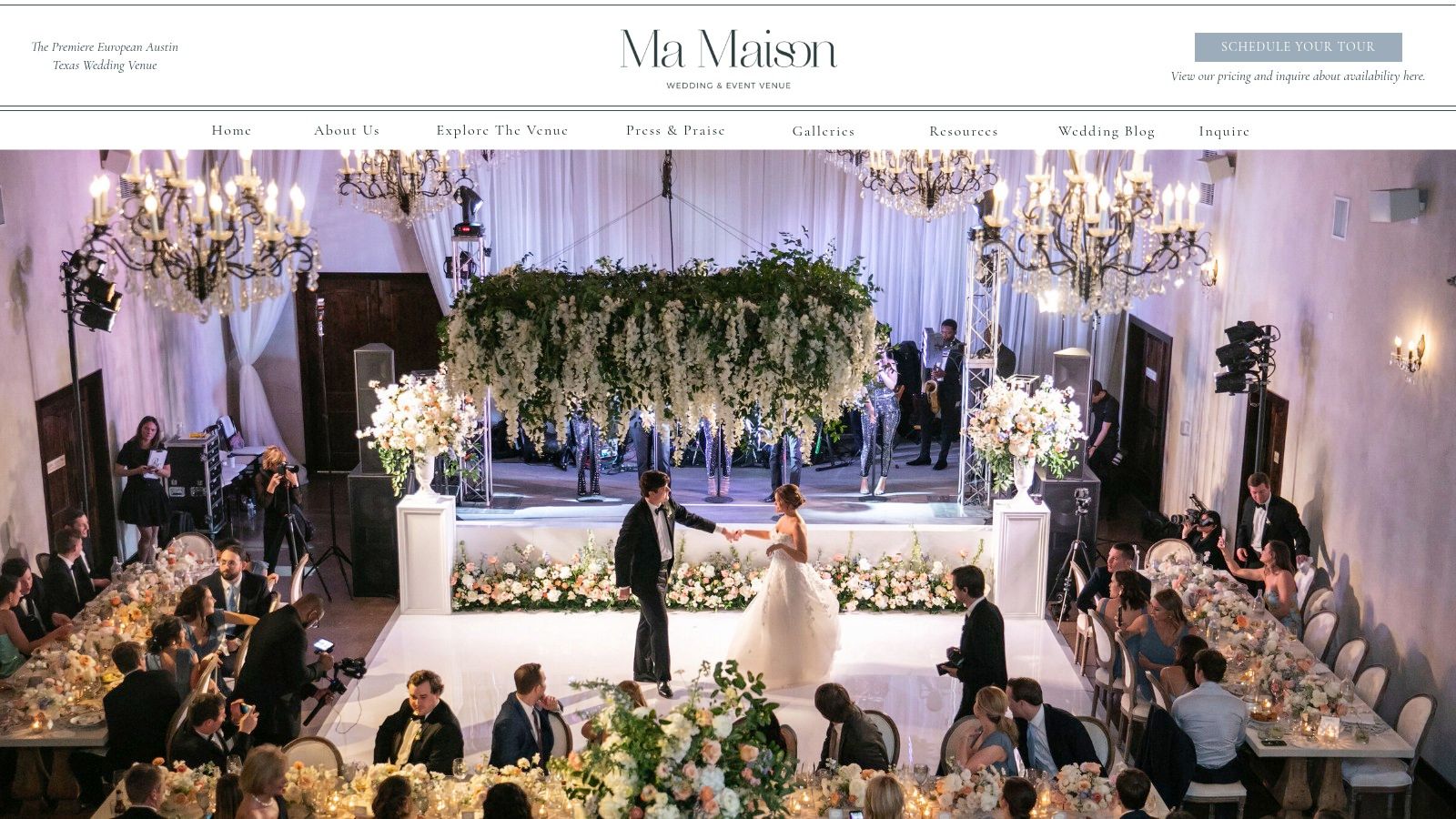
Ma Maison is for couples who want romance with structure. The European-inspired estate, the Great Hall, and multiple ceremony settings give it a strong visual identity, but the planning value is in how many venue areas can work together on the same day.
That flexibility matters more than many venue roundups admit. One recurring gap in Austin venue content is that couples aren't often shown how layout and logistics should change based on guest count, seating style, and transitions between ceremony and reception. A discussion of Austin-area venue layouts and planning gaps points to exactly that issue.
Strong points and friction points
Ma Maison's indoor chapel backup is one of its smartest features. Outdoor ceremonies are appealing in the Hill Country, but a backup only helps if it still feels intentional. Here, the weather pivot can remain visually consistent with the rest of the day.
The venue also seems to serve couples who want planning resources and a more guided inquiry process. Downloadable pricing information is useful because it lets couples pre-qualify before touring.
A few practical notes matter:
- The property is part of the experience: That's great for photography and event flow, but you'll want a solid transportation plan.
- Brochure-first pricing helps, but not completely: You'll still need direct contact to confirm your exact fit.
- Aesthetic cohesion is high: That helps couples with a clear vision, less so for those who want a blank canvas.
Ma Maison is a strong wedding venue in Austin for couples who want Hill Country scenery with a more refined, estate-like atmosphere and a backup plan that doesn't feel like a downgrade.
6. Camp Lucy
Camp Lucy is the venue I point to when a couple says, "We don't just want a wedding day. We want a wedding weekend." It's a luxury resort property in Dripping Springs with multiple event spaces, on-site accommodations, dining, and a spa. That combination changes how the entire celebration feels because people aren't constantly arriving and departing between locations.
This is one of the easiest setups for destination guests or families hosting several events across one weekend. Welcome gathering, ceremony, reception, brunch. You can keep the group anchored on one property instead of rebuilding the schedule every day.
Who should book Camp Lucy
Camp Lucy works best for couples who want hospitality built into the venue itself. The events team, lodging, and affiliated services create a more centralized planning experience than a standalone venue usually can.
The trade-off is price positioning. Resort venues usually cost more than non-resort properties, and custom quotes are common. You're paying for guest experience, convenience, and the ability to extend the celebration beyond a single event block.
A few planning realities stand out:
- Weekend flow is the major value: If you only need one evening, you may not use its biggest advantage.
- Shuttle planning may still matter: Dripping Springs isn't central Austin.
- Production quality is strong: That's helpful for larger events with multiple moving parts.
For couples drawn to the broader Hill Country look, this article on planning a rustic Texas Hill Country wedding pairs well with a Camp Lucy tour because it helps you think beyond décor and into weather, timing, and guest comfort.
Camp Lucy is the premium choice for couples who want a full guest experience and don't mind paying for that convenience.
7. Villa Antonia
Villa Antonia is one of those venues that sells itself in the first five minutes. The hilltop setting, Mediterranean architecture, chapel, terraces, and Lake Travis views create a destination feel that doesn't need much explanation. If your priority is dramatic atmosphere, this one is hard to ignore.
The venue also deserves credit for publishing planning details more clearly than many competitors. That matters because beauty can hide logistical friction, and Villa Antonia gives couples enough information to start asking smarter questions before they tour.
The real planning trade-off
This venue is best when the guest experience is meant to feel transportive. You arrive, the architecture changes the tone, and the day feels separate from the city. For the right couple, that's exactly the point.
But this is not the easiest venue on this list from a movement and labor standpoint. Depending on your setup choices, some spaces outside the main level may require more rental handling, more staff coordination, and more attention to guest mobility. The parking attendants and golf cart shuttles help, which is a good sign that the venue understands its own terrain.
I'd weigh it like this:
- Go here for: Strong visual impact, memorable views, and a destination-style setting.
- Think twice if: You want the simplest load-in, the flattest site, or on-site lodging.
- Ask directly about: Guest movement, vendor access, and what setup labor falls on your team.
Some venues are easiest to plan. Others are worth the extra planning if the setting is central to your vision. Villa Antonia falls into the second category.
For couples who want a wedding venue in Austin with a villa atmosphere and a strong sense of arrival, Villa Antonia is a compelling option.
Comparison of 7 Austin Wedding Venues
| Venue | Implementation complexity | Resource requirements | Expected outcomes | Ideal use cases | Key advantages |
|---|---|---|---|---|---|
| Texas Old Town | Moderate, multiple halls and indoor/outdoor sites require coordination | On-site venue manager, vendor coordination (flexible vendor policy), approved bartending for BYOB | Flexible, well-run large weddings with smooth logistics and long setup window | Couples, quinceañeras, corporate events seeking Hill Country aesthetic and large capacity | 16‑hour exclusive rental, transparent all‑in pricing, included cleanup and furniture breakdown, proven reputation |
| Barr Mansion & Artisan Ballroom | Moderate, in-house catering simplifies food planning but limits vendor choices | In-house scratch kitchen and full bar; less external vendor coordination needed | Cohesive, chef-driven events with reliable day‑of flow | Clients prioritizing high‑quality cuisine and seamless service; up to ~350 guests | Historic mansion + modern glass ballroom, strong culinary reputation |
| The Addison Grove | Low, purpose-built with built-in rain plan and full‑day access | Venue and bar coordination staff included; substantial included furniture | Predictable, turnkey rustic weddings with minimal rental surprises | 100–300 guest weddings wanting Hill Country feel close to Austin | Full‑day access, large included furniture inventory, transparent inclusions |
| The Arlo | Moderate, contemporary, purpose-built layout reduces contingency needs | Included furnishings, prep kitchen, rehearsal hour; transportation planning for guest access | Clean, modern events with reduced rental needs and straightforward setup | Medium–large weddings wanting modern aesthetic near Dripping Springs | Large ballroom and indoor ceremony hall, generous included inventory |
| Ma Maison | Moderate, multiple ceremony sites and indoor chapel backup require site planning | Venue communications and planning resources; brochure/inquiry required for details | Photogenic, flexible flow events with indoor weather backup | Couples seeking Old‑World/estate aesthetic for intimate to grand events | Multiple ceremony options including indoor chapel, cohesive estate feel, high‑touch planning |
| Camp Lucy | High, resort scale and multi‑venue options need complex coordination | Full resort services (lodging, dining, spa), dedicated events team, higher budget | Luxury, multi‑day wedding weekends and high‑production events | Destination weddings and multi‑event itineraries with out‑of‑town guests | On‑site accommodations and dining, full resort amenities for all‑in‑one experience |
| Villa Antonia | Moderate, hilltop layouts and terraces can increase logistical steps | Parking attendants, golf cart shuttles, potential extra rental labor for certain setups | Dramatic, destination‑style events with strong photographic backdrops | Couples seeking Mediterranean villa views and memorable scenery | Hilltop Lake Travis/Hill Country vistas, clear venue guidelines and capacities |
Choosing the Right Venue for Your Big Day
You fall in love with a ceremony view on Saturday, then spend Monday finding out hair and makeup cannot start as early as you need, the caterer has a tight load-in window, and the rain plan changes the room layout. That is how venue decisions get expensive. The photo gallery sells the space. The operating rules shape the wedding day.
Austin dates in peak weather tend to go quickly, so many couples end up comparing venues based on what is still available rather than what looked best on the first tour. In practice, that shifts the decision toward logistics. Rental hours affect labor costs. Vendor rules affect both budget and quality control. Included inventory affects how much you need to rent, store, deliver, and strike at the end of the night.
The best way to choose is to start with the facts that affect the timeline. Ask exactly what the rental covers. Confirm whether the included tables and chairs work for every part of the event, not just dinner. Check how long you have on site, because a generous access window can reduce setup pressure, lower staffing costs, and give you room to adjust if weather forces changes. Then ask about vendor policy. An open list gives you more control, but it also puts more responsibility on you or your planner to build a reliable team.
That lens makes the differences between these venues much clearer.
Texas Old Town fits couples who want more time on site and flexibility with outside vendors. Barr Mansion works well for couples who would rather pay for stronger built-in support, especially around food service and coordination. The Addison Grove is a practical middle ground for couples who want Hill Country character without pushing too far from Austin. The Arlo handles larger guest counts well and gives modern weddings a stronger indoor backup option than many scenic properties. Ma Maison offers multiple ceremony locations and a polished estate feel, but those choices require tighter site planning. Camp Lucy is better suited to full wedding weekends, room blocks, and a guest list with plenty of out-of-town travel. Villa Antonia gives you standout views, though the hilltop layout can add transportation, load-in, and setup complexity.
Pretty can still be costly.
Before you sign, ask how cleanup is handled, where catering stages service, whether guest parking is simple or shuttle-dependent, and what the rain plan does to flow and capacity. Those answers usually have more impact on the final budget than couples expect. They also tell you how much improvising your vendor team will need to do on the wedding day.
If you need help building the day around the venue you choose, these wedding timeline templates for 2025 are a useful starting point for mapping ceremony, cocktail hour, dinner, and transportation.
The right Austin venue is the one that fits your priorities without creating extra rental bills, overtime, or a compressed setup window.
If your shortlist includes venues with strong logistics, Texas Old Town is still one to tour early. It stands out for couples who care about access time, vendor flexibility, and choosing a space based on how the day will run, not just how it photographs.