You've found a venue with beautiful oak trees, open lawns, or a dramatic Hill Country view. Then the practical questions arrive. Can you reserve the space for portraits? Will another group occupy the best background? What happens if the ceremony, family photos, and reception all need the same location?
Those questions matter more than an Instagram-friendly backdrop. The most useful photographic venues in Austin give the photographer predictable access, workable light, room to move, and enough schedule flexibility to preserve the moments that happen between the formal events.
Austin has the creative depth to support that approach. The city's commercial photography roots reach back to the daguerreotype era, and the Harry Ransom Center holds about 5 million prints and negatives, including Joseph Nicéphore Niépce's first photographic image and the Magnum Photos archives, as documented in the Austin Public Library's Photography Resources Guide. The local wedding market also supports serious visual coverage, with the 2024 Austin Round Rock market exceeding $467.3 million across 12,394 weddings, according to Austin Round Rock wedding market data.
Table of Contents
- Why Private Venues Beat Public Parks for Event Photography
- Texas Old Town's Four Distinct Halls and Their Photo Characteristics
- Camera Settings and Gear for Indoor and Outdoor Venue Scenarios
- Full Wedding Day Shooting Workflow at Texas Old Town
- Solving Common Lighting Problems at Hill Country Venues
- How 16-Hour Exclusive Access Improves Photo Quality and Timeline Flexibility
Why Private Venues Beat Public Parks for Event Photography
Public parks look like obvious choices for Austin portraits. Zilker Metropolitan Park, Auditorium Shores, Mayfield Park, Mt. Bonnell, and Zilker Botanical Garden offer recognizable scenery, and scenic locations can produce excellent engagement images. The problem appears when you try to use that scenery for a real event day rather than a short portrait session.
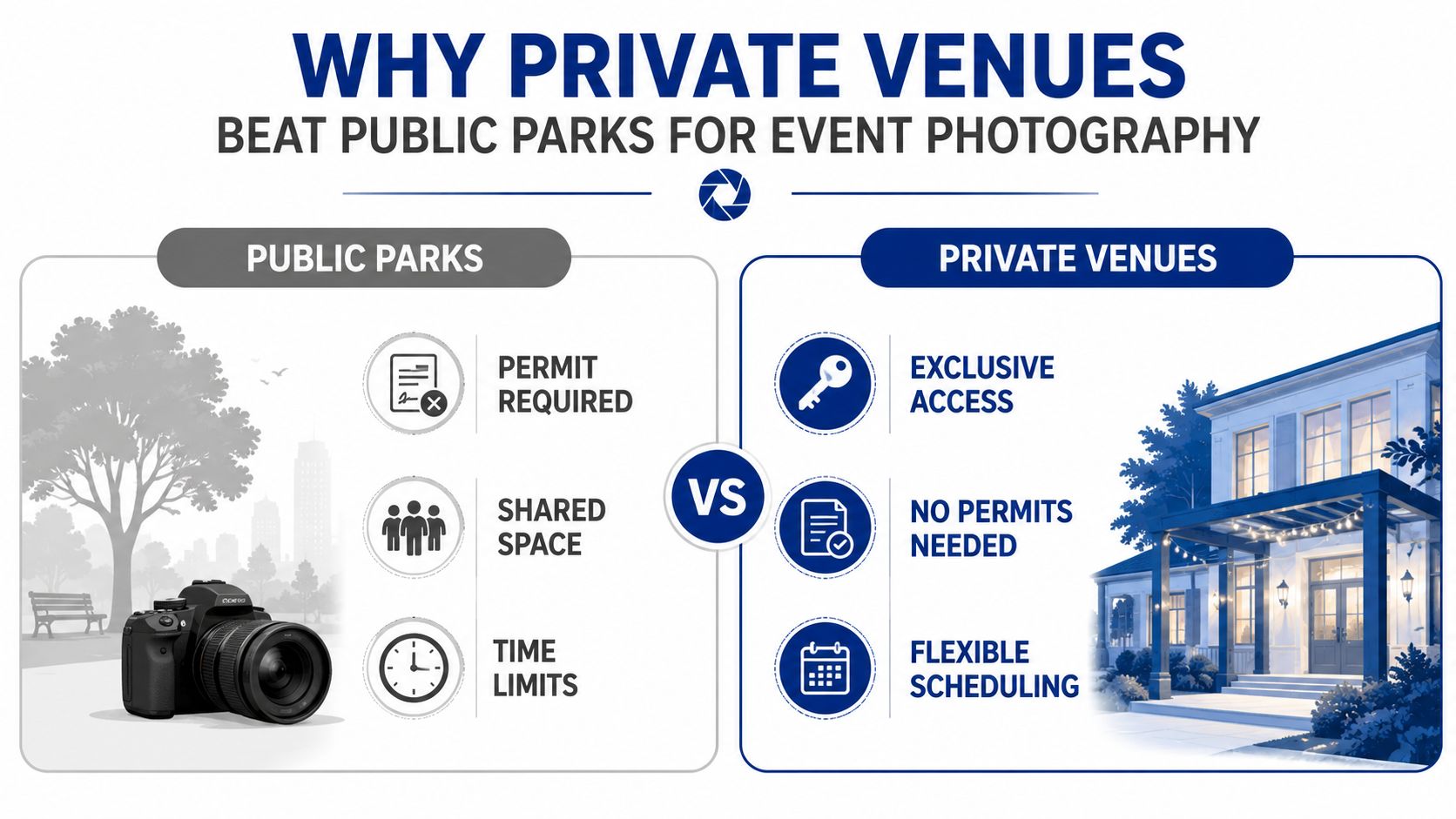
Austin Parks and Recreation requires paid photo session permits for posed, portrait, or commercial photography at high-use public locations, according to its special events policies and procedures. The standard permitted session lasts 2 hours, and booking is available only 4 to 30 days ahead, so a couple planning months in advance may still face an inconvenient reservation window. Those restrictions are manageable for a contained engagement session. They're much harder to reconcile with a wedding timeline that includes preparation, a first look, family formals, wedding party photos, couple portraits, and weather delays.
The usability gap behind the scenery
A public park also remains a shared space. Runners, tourists, other portrait sessions, private rentals, and changing light can all affect the frame. Props may need approval, paths may be crowded, and the most attractive overlook might be unavailable when your timeline reaches it.
Practical rule: Treat a public park as a location for a planned portrait session, not as an automatically available wedding venue.
A private venue changes the operating conditions. Exclusive access means the photographer can select portrait areas before guests arrive, return to a background later, and work with the venue manager when weather or setup changes the plan. On-site management also reduces the chance that the couple, planner, or photographer has to solve access and vendor conflicts in the middle of the event.
Why this matters on short timelines
A public permit can't solve every event-day problem. It doesn't create a private dressing area, protect a ceremony schedule, provide a backup indoor location, or guarantee that a group won't cross behind the couple. Private venues generally cost more than a simple public backdrop, but the comparison should include time certainty, exclusive use, weather options, and operational support, not scenery alone.
For couples choosing among photographic venues in Austin, the better question is not “Which place looks best in a still image?” It's “Can this property support every image we need without moving the entire event?”
Texas Old Town's Four Distinct Halls and Their Photo Characteristics
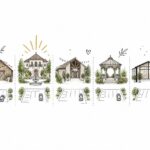
Texas Old Town places four private halls on one 55-acre Hill Country property. The halls serve different guest counts and visual moods, from Redbud for up to 150 guests to Tejas for up to 320, while Sage and Stone each accommodate up to 300 guests. Those capacities and the venue's published hall descriptions create meaningful differences in how a photographer handles group size, ceremony placement, and background separation.

Matching the hall to the visual brief
Tejas has an authentic Texas country dance hall character, with handcrafted pine tables that support a warm, textural look. For a large wedding, its capacity gives the photographer room to document a full dance floor and broad guest reactions, but the rustic surfaces can also reflect or absorb light differently from a modern white interior. I'd scout the ceremony and head-table angles before guests enter, especially if the couple wants environmental portraits that show the hall's character rather than flattening it with direct flash.
Sage is more secluded near the grand entrance. That positioning can make arrivals, first looks, and quieter couple portraits feel separate from the busiest guest routes. A photographer can use the transition from exterior grounds to hall interiors to create visual variety without loading the timeline with a drive to another location.
Stone offers upscale finishes and can suit couples who want cleaner, more polished architectural frames. The hall's formal surfaces call for careful attention to reflections, skin tones, and the placement of uplighting or DJ fixtures. Texas Old Town also identifies Stone Hall as a location where photoshoots may be available, subject to scheduling and confirmation, so couples should ask the venue about portrait access rather than assume availability.
For a closer look at one hall's visual details, the Tejas Hall gallery is more useful than choosing from capacity alone. Couples planning the content and search visibility for a venue can also consult an AI SEO agency in Austin when they need to communicate distinctive venue features clearly online.
Redbud accommodates up to 150 guests and has an intimate rustic profile. Smaller guest counts can simplify group formals and keep the couple visually connected to guests during the reception. The trade-off is tighter composition. A photographer may need a wider lens, more deliberate furniture placement, and stronger control of background clutter.
One campus, several backdrop types
The property's water features, streams, and maintained gardens give photographers outdoor options without requiring the wedding party to leave campus. That matters operationally. A portrait location only helps if the couple can reach it, shoot there, and return to the next event without creating transportation risk.
Indoor and outdoor ceremony choices also affect exposure. Outdoor ceremonies may provide depth and natural separation, while a climate-controlled hall offers more predictable conditions and a practical weather alternative. In either case, the photographer should identify the ceremony's brightest background, the cleanest aisle angle, and the location where family formals can happen without blocking catering or guest movement.
Camera Settings and Gear for Indoor and Outdoor Venue Scenarios
Venue photography rewards a dependable baseline more than clever improvisation. For major indoor events, a practical capture system uses two full-frame bodies with dual-card slots, a 24–70mm f/2.8 for general coverage, and a 70–200mm f/2.8 for ceremonies, speeches, and distant stage moments. The conference photography coverage workflow also recommends a minimum shutter speed of 1/200s, an f/2.8 aperture, an ISO 1600 starting point, and custom or Kelvin white balance for low-light venues.
Start with the scene, not the preset
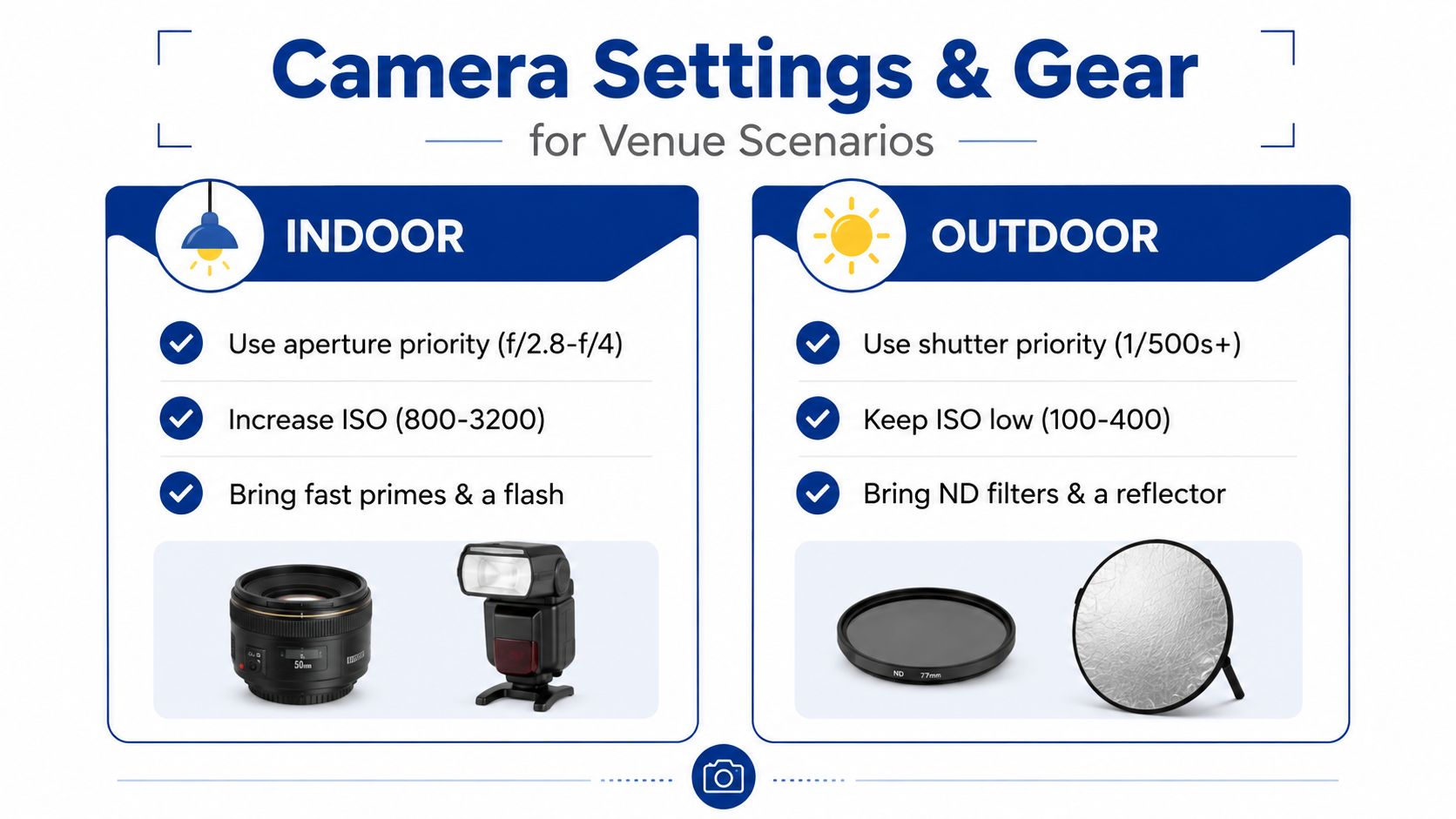
For indoor cocktail or reception spaces, a useful working range is ISO 1600–3200, f/2–f/4, and 1/125–1/250s, based on event photography lighting guidance. I'll protect shutter speed first when people are moving, then open the aperture or raise ISO as needed. A soft, bounced flash can help during mingling, but direct flash becomes distracting during presentations and ceremonies.
For outdoor daytime portraits, the same guidance places the starting range around ISO 100–400, f/4–f/8, and 1/500–1/2000s. The smaller aperture helps keep groups sharp, while the faster shutter speed controls bright Texas daylight. An ND filter can preserve a wider aperture when the couple wants a softer background, but it should support the composition rather than replace thoughtful positioning.
The kit I'd carry
- Primary body: Full-frame camera with dual-card recording, set to write backups automatically.
- Second body: A matching or compatible full-frame body, already fitted with the alternate lens.
- 24–70mm f/2.8: The workhorse for preparations, groups, room scenes, and dance-floor storytelling.
- 70–200mm f/2.8: The safer choice for unobtrusive ceremony and stage coverage.
- Silent and backup gear: Essential when quiet ceremonies, presentations, or equipment failure could cost an irreplaceable moment.
- Flash and support: Use off-camera flash or controlled bounce when ambient light can't provide clean subject separation.
White balance deserves deliberate attention. Mixed fixtures, window light, and outdoor spill can produce different color casts across one frame. Set a custom or Kelvin value when the lighting is stable, and reassess after moving between halls, gardens, and reception areas.
For planners comparing layouts and weather options, the indoor and outdoor event space details help frame the technical decision before the photographer arrives.
Full Wedding Day Shooting Workflow at Texas Old Town
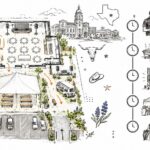
A long-access venue changes the photographer's rhythm. Instead of compressing every image into a narrow rental period, the day can unfold from morning preparation through the final reception moments. Texas Old Town's published access model runs from 8:00 a.m. to midnight, giving the selected venue an exclusive window for setup, celebration, and closing tasks.

Morning preparation should establish the visual language
At access time, I'd begin with room details before vendors and guests fill the space. The dressing suites, private restrooms, and vanity areas give the photographer a controlled place to document clothing, invitations, rings, and quiet interactions. I'd keep the detail set compact, then photograph hair, makeup, family arrivals, and vendor preparation without turning the suite into a staging area.
The first look works best when the route is simple. The outdoor ceremony site, landscaped grounds, and quieter areas near the selected hall can each serve a different purpose. I'd choose a location with clean background depth and enough room for the photographer to move without placing guests in the frame.
Build transitions around real movement
Ceremony coverage should be planned for both indoor and outdoor possibilities. The venue provides PA systems, Bluetooth capability, and a wireless microphone, but sound equipment still affects where a photographer can stand and which angles remain clean. I'd coordinate with the venue manager before guests arrive, then identify an aisle position, a reaction angle, and a safe route for family formals.
After the ceremony, cocktail hour creates a natural pause for guest candids and room resets. The built-in beverage bar gives people a reason to gather, while the photographer can work the edges of the group rather than interrupting conversations. If the prep kitchen uses a separate service entry, catering traffic can remain distinct from the couple's portrait route.
A workable sequence might look like this:
- Access and setup: Photograph details, check light, and confirm ceremony angles.
- Preparation: Work in the dressing suites, then capture family and wedding-party interactions.
- First look and portraits: Use the grounds while the property remains visually calm.
- Ceremony and transition: Protect the aisle, reactions, and immediate congratulations.
- Reception: Cover entrances, speeches, dinner interactions, dancing, and the final exit.
- Late coverage: Stay available for spontaneous guest moments instead of ending when formalities finish.
The on-site venue manager, flexible vendor policy, and included cleanup and furniture breakdown let the photographer remain focused on people rather than solving every operational task.
Solving Common Lighting Problems at Hill Country Venues
Hill Country light changes quickly, and the prettiest location can become the wrong location within minutes. Outdoor ceremonies may place faces under harsh overhead sun, while indoor halls can combine window light, warm fixtures, DJ lighting, and spill from exterior doors. A photographer who scouts the light before the event can make those changes manageable instead of reacting after skin tones and backgrounds have already fallen apart.
Outdoor problems require positioning first
For daytime portraits, start around ISO 100–400, f/4–f/8, and 1/500–1/2000s, then adjust for the actual brightness and movement. If the sun creates hard eye shadows, turn the couple so the light comes from the side or behind, then use gentle fill flash or a reflector to open the faces. A reflector works best when an assistant can hold it consistently. If that isn't practical, shade from a building or tree can produce more stable results than chasing direct sunlight.
During an outdoor ceremony, don't place the couple against the brightest open sky unless the composition requires it. Look for a background with enough tonal detail to preserve separation, and expose for faces while watching the dress or shirt for clipped highlights.
Indoor spaces need color and motion control
Cocktail and reception coverage commonly sits around ISO 1600–3200, f/2–f/4, and 1/125–1/250s, as outlined in the event photography lighting guide. The shutter speed must remain high enough for movement, especially during dancing, while the aperture and ISO carry the exposure in dim rooms.
Large windows create a backlight problem when subjects face away from the interior. Move the couple so window light becomes a side source, or add controlled fill from the camera side. During presentations, avoid direct flash pointed at the speaker. Bounce where the ceiling and wall color are neutral, or use off-camera flash at a lower intensity so the image retains the room's atmosphere.
Mixed color temperatures deserve a deliberate workflow. Capture a neutral reference in each major zone, set custom or Kelvin white balance, and avoid letting one frame combine heavily tinted light sources unless the effect is intentional. For photographers who want to study how post-production tools can alter a scene's illumination, Aicut's guide to AI lighting features offers a useful supplementary reference, but good placement and exposure should come first.
Lighting check: Before guests enter, photograph one person in the ceremony position, one person near the windows, and one person on the dance floor. Those test frames reveal more than a room inspection alone.
How 16-Hour Exclusive Access Improves Photo Quality and Timeline Flexibility
Short venue windows create predictable compromises. Detail photos get rushed, portraits compete with guest arrival, and a weather delay can remove the only planned couple session. An 8:00 a.m. to midnight exclusive access window gives the photographer more opportunities to separate those tasks instead of forcing every image into one crowded sequence.
The improvement isn't just more shooting time. It's the ability to choose better light and quieter moments. Morning access supports room details before tables, florals, and guests create visual clutter. Midday portraits can happen while guests are occupied elsewhere. Later, the photographer can continue documenting dancing and informal conversations without treating the venue cutoff as an emergency.
A flexible timeline protects the important images
A practical plan uses the property in layers:
- Early access: Photograph details, empty-room compositions, and vendor preparation.
- Preparation period: Cover the couple and wedding party without forcing everyone into the same room.
- Pre-ceremony portraits: Use grounds and selected ceremony areas while traffic is low.
- Post-ceremony buffer: Allow congratulations and family formals to expand naturally.
- Reception coverage: Return to the room for entrances, speeches, dinner, and dancing.
- Late-night storytelling: Capture final guest interactions, a last dance, or a relaxed exit without abandoning the reception early.
Exclusive use also reduces background uncertainty. The photographer can leave a portrait location and return later without worrying that another rental has taken over the frame. The venue manager can coordinate transitions, while included cleanup and furniture breakdown keep those responsibilities away from the couple and photography team.
The model doesn't eliminate planning. A long window can still be wasted if nobody assigns locations, checks the sun, or communicates with catering and entertainment. It does, however, provide the buffer needed to recover when a ceremony runs late, weather changes, or a meaningful unscripted moment deserves attention.
For couples who want the operational details in writing, the exclusive-use wedding venue information is the right place to review access, venue control, and event-day support before comparing properties.
Texas Old Town offers four private halls, indoor and outdoor ceremony settings, scenic Hill Country grounds, on-site management, and an exclusive access window from morning through midnight. Visit Texas Old Town to schedule a tour, compare the halls, and ask how the property can support your ceremony, portraits, reception, and complete photography timeline.