austin wedding venues

Best Wedding Venues Kyle TX: Your 2026 Planning Guide

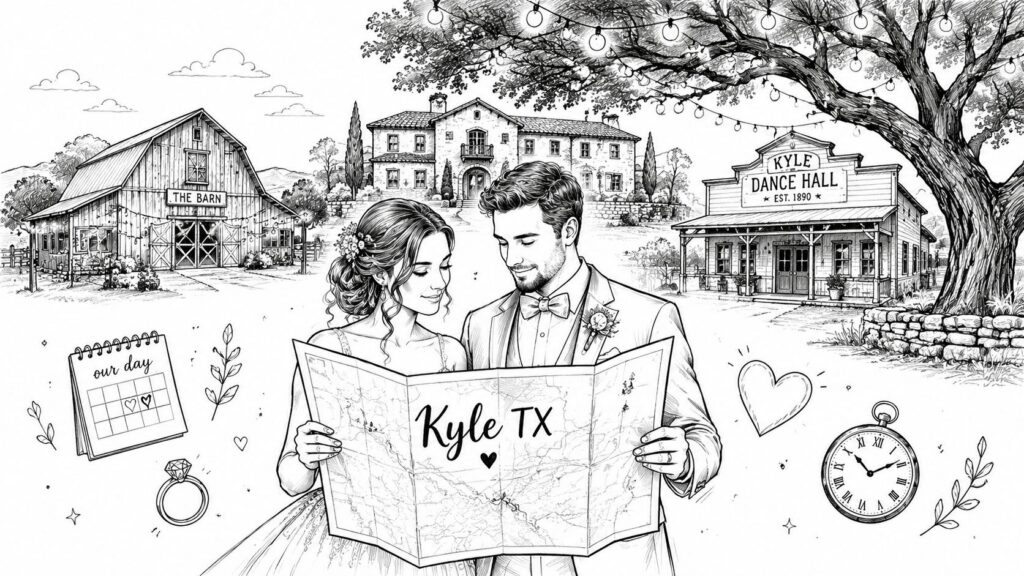
You've probably opened fifteen tabs already. One venue looks gorgeous at sunset, another seems affordable until you start wondering what the quote doesn't include, and a third has the right style but vague policies on catering, bar service, cleanup, and timing. That's the point where venue shopping stops feeling fun and starts feeling like project management. Kyle is a smart place to look when you want Hill Country atmosphere without guests traveling to a far-flung destination. It sits in a practical corridor between Austin and San Antonio, and that matters more than most couples realize at the start. Guest travel, vendor access, rehearsal logistics, hotel blocks, and end-of-night transportation all get easier when the map works in your favor. The bigger issue is this: most guides to wedding venues in Kyle TX focus on scenery, ceremony backdrops, and reception photos. Those matter. But the venues that feel easy on the wedding day are usually the ones that solved the operational details long before the first guest arrived. Table of Contents Starting Your Search for the Perfect Kyle Wedding Venue Start with the decisions that affect the whole day Decoding the Kyle TX Venue Landscape How to narrow the field quickly What venue style changes in practice The Hill Country Decision Indoor vs Outdoor Ceremonies What outdoor weddings do well Why indoor plans often feel calmer Crafting Your Kyle Wedding Budget and Timeline How to read a venue quote correctly A practical booking timeline Spotlight A Tour of Texas Old Town's Four Venues A side by side look at the halls How each hall fits a different wedding The Hidden Logistics That Ensure a Stress-Free Day What couples ask too late What a well managed venue changes Final Questions for Your Kyle Wedding Venue Questions worth asking before you sign What gives couples confidence Starting Your Search for the Perfect Kyle Wedding Venue Most couples don't begin with a clean spreadsheet and a perfectly ranked shortlist. They begin with a mood board, a guest estimate that keeps changing, and a lot of uncertainty about what matters once the wedding day is in motion. That's normal. In practice, the venue search gets easier when you stop asking, “Which place is prettiest?” and start asking, “Which place will still feel workable at 10:00 a.m. during setup, at 5:30 p.m. when the ceremony starts late, and at the end of the night when everyone is tired?” The prettiest venue in photos can become the hardest one to manage if its policies create friction all day long. Kyle gives couples a strong mix of Hill Country character and accessible geography. It works well for local weddings, hybrid guest lists, and families pulling people from both the Austin and San Antonio sides. That convenience helps, but it doesn't replace due diligence. Before touring, it's worth reviewing a practical venue selection checklist like this guide on how to choose a wedding venue, because the right questions save more stress than the right Pinterest board. Start with the decisions that affect the whole day I advise couples to lock in four basics before falling in love with a space: Guest count reality: Not your dream number. Your likely number. Indoor fallback: Not whether a venue has one, but whether it's somewhere you'd want to marry. Vendor freedom: Especially catering and bar service. Rental window: Enough time for setup, celebration, and breakdown without rushing every vendor. Practical rule: If a venue makes simple logistics sound complicated during the tour, they won't become simpler on the wedding day. A good Kyle venue should function like a partner, not just a backdrop. That's the standard worth keeping in mind from the start. Decoding the Kyle TX Venue Landscape A couple tours three Kyle venues in one Saturday and comes home with the same reaction every time: all of them looked good, and none of the comparisons felt clear. That usually happens because they are comparing style before they compare operations. Kyle gives you several distinct venue models. Some are simple space rentals with a lower starting price and more self-management. Some are polished properties with stronger infrastructure, clearer process, and more on-site support. The hard part is not finding attractive options. The hard part is figuring out which one will still feel manageable once contracts are signed, vendors are booked, and the wedding day is in motion. How to narrow the field quickly The fastest filter is the venue's operating model. That means asking how the property runs a wedding. Does it allow outside catering, or are you working from a short approved list? Is bar service bundled, restricted, or fully flexible? Who manages ceremony-to-reception transitions? How much setup time is included before your florist, planner, DJ, and rental team start paying for extra hours? Couples who sort venues this way usually get to better finalists faster than couples who sort only by architecture or photo appeal. If you are still weighing ceremony format at the same time, this guide on indoor versus outdoor weddings in Texas helps frame the decision around guest experience and backup-plan quality. Here's the first filter I use with clients: Venue type Usually suits Watch for Rustic barn or dance hall Larger guest lists, relaxed celebrations, strong dance floor energy Heat control, acoustics, rain backup quality Stone manor or estate Formal or semi-formal weddings, classic photo style Vendor restrictions, room flow, parking distance Garden or outdoor-forward venue Nature-driven ceremonies, softer visual style Weather exposure, ground conditions, lighting after sunset Hybrid indoor-outdoor property Couples who want flexibility without losing atmosphere Whether both ceremony options feel equally intentional What venue style changes in practice Style changes the work behind the scenes. A rustic hall with direct access to the ceremony site can save real time during transitions and simplify audio coverage. A large estate may photograph beautifully but create longer walks, more staffing needs, and harder logistics for grandparents or guests in heels. A hybrid property can be the most forgiving choice, but only if the indoor
A Planner’s Guide to BYOB Wedding Venues in 2026

You're probably looking at a venue listing that says BYOB and thinking, good, we'll save money on the bar. Sometimes you will. Sometimes you won't. The difference comes down to one thing most couples miss: total beverage expenditure, not the alcohol purchase alone. That's where BYOB wedding planning goes sideways. Couples compare bottle prices but forget bartenders, insurance, ice, mixers, setup rules, delivery timing, storage, cleanup, and venue restrictions. Then the contract shows up and the “cheap bar” suddenly looks a lot less simple. I'm firmly pro-BYOB when the venue has a clean process and you understand the rules before you sign. I'm against it when the venue markets freedom but hands you a maze of operational requirements after the deposit clears. Good BYOB wedding venues give you control. Bad ones give you chores. Table of Contents What Exactly Are BYOB Wedding Venues BYOB is a policy family, not one single setup How to read the policy without getting burned The Pros and Cons of a BYOB Policy Why couples love it Why some couples regret it Navigating the Rules and Logistics of BYOB Approved bartenders are not a nuisance The hidden line items that change the budget What organized beverage service looks like Cost Comparison BYOB Venue vs All-Inclusive Bar Compare total beverage expenditure, not just alcohol Where BYOB actually saves money Where all-inclusive often wins The practical recommendation Your BYOB Wedding Planning Checklist and Timeline 12 plus months to 6 months out 3 months out to wedding week How Texas Old Town Perfects the BYOB Experience The venue solves the expensive problems Why the structure works Essential Questions to Ask Every BYOB Venue What Exactly Are BYOB Wedding Venues A BYOB wedding venue doesn't always mean you can haul in coolers, assign your cousin to pour wine, and call it done. In practice, BYOB usually means you provide the alcohol, while the venue controls how service happens. That distinction matters. A lot of confusion starts because venues use the same phrase for completely different operating models. One venue means true outside alcohol freedom. Another means you buy the alcohol, but only their approved bartending partner can touch it. Both get labeled BYOB. BYOB is a policy family, not one single setup Think of BYOB like airline tickets. “You booked a seat” doesn't tell you whether bags, seat selection, or flexibility are included. “BYOB” works the same way. Here are the models you'll run into: Full BYOB: You supply alcohol, mixers, bar tools, and often much of the service planning. Partial BYOB: The venue covers part of the beverage setup and you supplement specific items. Corkage fee model: Outside alcohol is allowed, but only with added per-bottle or per-guest charges. Preferred vendor list model: You bring alcohol or choose from approved supply channels, but the venue limits who serves it. The most common version today is structured BYOB. That means the venue gives you bar access, may allow broad alcohol choice, but requires insured professionals to manage service. That's the model I recommend most often because it keeps the control where it helps and removes the chaos where it hurts. Practical rule: If the venue says “BYOB,” your next question should be, “Who is allowed to serve it, store it, and clean it up?” How to read the policy without getting burned Don't rely on the venue listing headline. Read the alcohol clause in the contract and look for four things: Service rulesDoes the venue require approved bartenders, or can your caterer's team serve? Supply boundariesAre you bringing only alcohol, or also mixers, ice, garnishes, cups, and napkins? Timing rulesWhen can alcohol be delivered, unloaded, chilled, and removed? Fee triggersCorkage, bar setup, cleanup, security, trash handling, and insurance requirements all belong in writing. A strong BYOB policy is boring in the best way. It's specific, operational, and easy to price. A weak one sounds flexible until you start asking questions. The Pros and Cons of a BYOB Policy BYOB wedding venues can be smart. They can also be exhausting. The right fit depends less on your taste in wine and more on your tolerance for coordination. Why couples love it The upside is obvious first. You control the bar menu. If you want a Texas craft beer, a family-favorite tequila, a natural wine selection, or just a simple beer-and-wine setup, you can build that deliberately instead of buying a generic package. That control usually creates a better guest experience than couples expect. Guests notice when the bar feels personal instead of copied from a banquet menu. BYOB also helps couples avoid paying for beverage options they don't even want served. The less obvious advantage is decision clarity. With BYOB, you make intentional calls on bar style: Beer and wine only for a simpler, cleaner service flow One signature drink if you want personality without overcomplicating prep Full bar if your guest list expects variety and you're willing to manage the moving parts Why some couples regret it The downside is work. BYOB adds a planning category that many couples underestimate. Somebody has to count, order, transport, chill, restock, and remove everything connected to the bar. And no, “we'll figure it out later” doesn't work here. Beverage service breaks down fast when nobody owns the details. A BYOB bar succeeds because someone built a system for it. It fails when everyone assumes someone else is handling it. The other problem is emotional. Couples choose BYOB for freedom, then discover they've signed up to manage inventory on top of seating charts, catering, rentals, and family politics. If you hate logistics, BYOB can become a bad bargain. Here's the blunt version: Good fit for BYOB Bad fit for BYOB You want control over drink choices You want bar service fully handled You're comfortable comparing vendor rules You don't want to read fine print You have an organized planner or coordinator You're already overloaded You like transparent cost-building You prefer one packaged number BYOB is strongest when you treat it as a

Top 7 Wedding Venues Central Texas: 2026 Picks

You've probably already done the frustrating part. You opened a dozen tabs, saved screenshots of oak trees and sunset ceremony lawns, and realized most venue pages tell you almost nothing about the parts that decide whether your day runs smoothly. Rental hours, vendor restrictions, cleanup, bar rules, indoor backup, and how far guests have to walk often matter more than the hero photo. That's why this guide focuses on practical fit, not just aesthetics. These are seven strong options for couples comparing wedding venues in Central Texas by style and logistics, with an eye on the details that change your budget and timeline. If you're also thinking about day-of attire alongside venue style, Dandylion Style wedding suits is worth a look. Table of Contents 1. Texas Old Town Why it works so well in practice Best fit and watch-outs 2. Camp Lucy Where Camp Lucy stands out The real trade-off 3. Ma Maison What planners like about it Who should skip it 4. The Addison Grove Why the setup window matters Where couples need clarity 5. The Arlo The budget advantage What to ask before signing 6. Canyonwood Ridge Where it stands out Who should ask harder questions 7. Villa Antonia Why couples choose it Where the limits show Top 7 Central Texas Wedding Venues Comparison Making Your Venue Choice with Confidence 1. Texas Old Town A couple wants Hill Country character, but they also want a wedding day that runs on time, gives vendors enough setup room, and does not force guests through awkward space changes. Texas Old Town usually makes the shortlist for that reason. On 55 acres in Kyle, it offers four separate halls with different capacities: Tejas for up to 320 guests, Sage for up to 300, Stone for up to 300, and Redbud for up to 150. That range matters in practice. A 140-person wedding feels very different in Redbud than it would in a hall built for more than 300. The strongest selling point is the operating model, not just the setting. Couples get exclusive 16-hour access from 8:00 a.m. to midnight, plus on-site venue management, cleanup, furniture breakdown, dressing suites, a prep kitchen, a built-in beverage bar, indoor and outdoor ceremony options, and Bluetooth-enabled PA with a wireless mic. Those inclusions cut down on rented labor, rushed vendor schedules, and last-minute work at the end of the night. Why it works so well in practice Long rental windows solve real problems. Hair and makeup can start without pushing photography behind. Florals and rentals can load in without colliding with catering. Family members are less likely to get pulled into setup because the clock is already working against the team. Texas Old Town is also easier to plan than venues that look flexible online but stay vague during the booking process. Furniture counts are documented. Parking is private and ample. The layout is accessible. Those details are not glamorous, but they are the details that keep a timeline from breaking on wedding day. Planner note: Ask whether cleanup and furniture breakdown are included by the venue team or billed through a separate staffing plan. That answer affects both budget and exit timing. For couples comparing Central Texas properties, this practical guide on how to choose a wedding venue based on policies and logistics is a useful checklist. It covers the questions that directly affect the planning workload, such as access hours, vendor rules, and backup plans. Best fit and watch-outs Texas Old Town fits couples who want room to customize the vendor team without taking on a full DIY venue. You can bring your own caterer and work from a preferred vendor list, which gives more control than an all-inclusive property. That flexibility is a real advantage if food is a priority or if the couple already has trusted vendors. The trade-off is that flexibility creates a few extra decisions. Exact pricing requires a direct quote, so comparison shopping takes more effort than it does at venues with a public rate sheet. The BYOB structure can save money, but it also adds a coordination step because couples still need approved bartending service and a clear alcohol plan. The short version: Best for fit: Four halls give couples a better chance of matching the room to the guest count and wedding style. Best for timeline control: A 16-hour rental window gives vendors and the wedding party more breathing room than many competing venues. Best for practical inclusions: Dressing suites, prep kitchen, parking, cleanup support, and built-in audio reduce outside rentals and staffing pressure. Watch-out: Pricing and date-specific costs require an inquiry. Watch-out: Couples who want a fully in-house bar package may prefer a different venue model. 2. Camp Lucy Camp Lucy works best when the wedding is really a weekend. If you want guests to stay on-site, move between ceremony and reception spaces, and treat the event as a full destination-style experience, it's one of the strongest names in the Dripping Springs market. The property offers multiple distinct settings, including chapel, oak grove, vineyard, and indoor event spaces, plus lodging and restaurant amenities. That versatility is its biggest appeal. A couple can choose a more formal ceremony setting and still host a different-feeling welcome party or brunch without leaving the estate. For families with a lot of out-of-town travel, that consolidation can simplify the entire weekend. Where Camp Lucy stands out Camp Lucy gives couples several aesthetics on one property, which is rare to find executed at a high level. It's also easier to coordinate a multi-event celebration when lodging is already integrated into the venue ecosystem. That's a practical benefit, not just a luxury one. For couples still sorting out what matters most during tours, this guide on how to choose a wedding venue asks the right practical questions about fit, policies, and logistics. A large venue campus can feel effortless to guests and complicated to vendors at the same time. Ask where each event actually happens and how people move between spaces.

Top 7 Texas Country Wedding Venues for 2026

You book a venue because the ceremony site looks great at golden hour. Two weeks later, you are asking the questions that actually shape the wedding day. How long do you have the property? What is the rain plan? Which vendors are required, and which ones can you bring in yourself? How many rentals do you need before the room feels finished? Those details decide whether the day feels organized or rushed. In Texas, couples have a lot of country venue options, but the right choice usually comes down to operations, not just appearance. A beautiful property can still create problems if load-in is tight, the backup ceremony space feels like an afterthought, or the pricing leaves out basic pieces you assumed were included. That is the lens for this roundup. It compares seven Texas country wedding venues based on the planning points couples often miss on the first tour: rental hours, vendor flexibility, weather coverage, and pricing clarity. Texas Old Town gets special attention because it is a useful example of how venue amenities can remove common planning headaches before they become budget or timeline problems. Couples considering a barn setting can also review these barn weddings in the Texas Hill Country with rustic charm and modern elegance at Texas Old Town to get a clearer sense of how style and function can work together. If you're still collecting ideas for your overall look, these charming rustic wedding accents can help you translate the venue style into your décor choices. Table of Contents 1. Texas Old Town Why planners keep coming back Where it solves real planning problems 2. Camp Lucy Best fit 3. Ma Maison What stands out 4. The Addison Grove Where it works best 5. Canyonwood Ridge Why it works for cautious planners 6. Gruene Estate Who should book it 7. Hayes Hollow at Hidden Falls Operational trade-offs 7-Point Comparison: Texas Country Wedding Venues From Venue Search to We Do 1. Texas Old Town You feel venue pressure fastest on the wedding morning. Hair and makeup are setting up, rentals are arriving, a florist needs cooler access, family wants early photos, and the catering team is asking where they can stage. Texas Old Town earns its place on venue shortlists because the property is set up to handle that real schedule, not just the ceremony and reception photos. Texas Old Town has four separate halls on one Hill Country property in Kyle, which gives couples useful range in guest count and layout. Tejas holds larger weddings, Sage and Stone work well for mid-size events, and Redbud is the smaller option for a more contained celebration. That variety matters. A country venue only works when the room fits the guest list and the event never feels swallowed by empty space or cramped at dinner. The bigger operational advantage is the rental window. Couples get 16-hour exclusive access, from 8:00 a.m. to midnight. In practice, that extra time protects the timeline in ways couples usually do not notice until they compare contracts side by side. Vendors can load in without fighting the glam schedule, portraits can happen before guests arrive, and cleanup does not have to start while the last dance is still going. Why planners keep coming back This venue solves a lot of common Hill Country problems before they become problems. Outdoor ceremony sites give couples the setting they want. Climate-controlled halls give them a workable backup when weather turns, and in Central Texas, that matters in every season. Spring storms, summer heat, and winter wind can all change a plan fast. The included infrastructure is also strong where it counts. Dressing suites help keep the morning organized. Indoor and outdoor PA systems, Bluetooth capability, and a wireless mic reduce the need to rent basic audio separately. Built-in beverage bars, a prep kitchen with a separate service entry, documented furniture counts, and on-site event management with cleanup and furniture breakdown included all make the day easier to run. Couples also get more vendor flexibility than they do at many venues in this category. Any caterer is allowed, which is useful for multicultural menus, family-style service, or couples who already have a trusted catering team. At the same time, the venue maintains a curated vendor list for couples who want options that have already worked on site. If you want a clearer sense of how the venue blends rustic architecture with a more finished event experience, their feature on barn weddings in the Texas Hill Country with modern amenities is a helpful reference. Practical rule: A venue should give your vendors enough time, access, and built-in support to keep the day on schedule. Where it solves real planning problems Pricing clarity is another reason planners keep recommending it. Quotes include sales tax and gratuity, which makes budget comparisons cleaner and cuts down on the usual surprise line items that appear late in the booking process. Payment plans are available too, which can help couples protect cash flow while they are still booking photography, catering, and entertainment. There are trade-offs, and they are manageable if you ask about them early. The beverage setup is BYOB, but hosts must use an approved bartending company. That can keep bar service organized and often helps with compliance and insurance, but it is still one more vendor decision to make. The venue also does not post a single flat online package price, so serious budget shoppers should ask for a detailed quote before they fall in love with a specific hall. For couples comparing Texas country wedding venues, this is the kind of property that makes life easier after the contract is signed. It gives you indoor and outdoor flexibility, enough access time to build a realistic timeline, and venue policies that leave room for personal choices without creating chaos on the wedding day. 2. Camp Lucy Camp Lucy works best for couples who want the wedding to feel like a weekend experience instead of a single event. It has the

Unique Texas Wedding Venues: Top Picks for 2026

Beyond the ballroom, finding a Texas venue with true character usually starts the same way. You open a dozen tabs, scroll past chandeliers, beige carpet, generic draping, and hotel ballrooms that could be anywhere. After a while, every venue starts to look polished but interchangeable, and that's when couples begin asking the better question. Not “What's available?” but “What actually feels like us?” That's where unique Texas wedding venues earn their keep. The right one doesn't just look good in photos. It solves planning problems, supports your timeline, fits your guest list, and gives your wedding a sense of place. In the Hill Country and along the Austin to San Antonio corridor, that often means balancing scenery with weather backup, vendor freedom with venue rules, and style with practical access. This guide gets to the point. These are seven standout venues with real personality, from a treetop ceremony setting to museum gardens and resort-style estates. If you're also building a wedding design around native textures and regional plants, this read on insights for Texas plant enthusiasts can help you think beyond standard floral formulas. Table of Contents 1. Texas Old Town Why it works so well in practice Best fit and real trade-offs 2. Cypress Valley Who should book it 3. The Greenhouse at Driftwood What it solves for couples 4. Gruene Estate Where it shines and where to be careful 5. The Contemporary Austin Laguna Gloria The planning reality 6. Camp Lucy Sacred Oaks and sister venues Ideal couple and likely friction points 7. UMLAUF Sculpture Garden + Museum Best use of the space Unique Texas Wedding Venues, 7-Point Comparison How to Choose the Right Unique Venue for You 1. Texas Old Town A common planning problem shows up early. One partner wants Hill Country scenery, the other wants a reception space that feels more polished than rustic, and nobody wants to rebuild the guest experience from scratch just to get a different look. Texas Old Town solves that better than most properties because it operates as one wedding campus with four distinct halls in Kyle. The setting spans 55 acres at Texas Old Town, but its true benefit lies in how that space functions on a wedding day. Guests are not funneled into a tight parking situation. Photos do not feel repetitive after the ceremony. Events also maintain more privacy because the halls are spread out enough to avoid the crowded, back-to-back feel that can happen at multi-event properties. Why it works so well in practice The strongest planning advantage is time. Texas Old Town gives couples exclusive 16-hour access from morning through midnight, which changes the pace of the day in a practical way. Hair and makeup teams can start without compressing the whole timeline. Floral crews have more setup room. Family portraits are easier to schedule without cutting deep into cocktail hour. If you have ever watched a short rental window create stress for vendors, parents, and the couple all at once, you know how useful that extra margin is. The four halls also make this venue unusually flexible. Tejas suits couples who want a true Texas dance hall character. Redbud fits smaller celebrations that still need warmth and personality. Sage and Stone work better for couples who want Hill Country views paired with interiors that read cleaner and more refined. That is the reason this property deserves a closer look than a standard venue roundup usually gives it. The question is not only whether it is pretty. The question is which hall matches your guest count, design direction, and service style without forcing expensive workarounds. Planners also notice the operational details right away. Dressing suites with private restrooms help the morning stay organized. Indoor and outdoor PA systems, Bluetooth hookup, and a wireless mic reduce rental gaps for ceremony and reception audio. A prep kitchen with separate service access keeps catering traffic out of guest areas. On-site management, furniture counts, cleanup, and furniture breakdown remove several end-of-night problems that often fall back on family or vendors. For outdoor ceremony planning, their guide to outdoor wedding ceremony tips in Texas weather is worth reviewing before you lock a timeline. Couples who are still comparing options can also use Texas Old Town's guide on how to choose the perfect wedding venue in Texas. Best fit and real trade-offs Texas Old Town is a strong fit for couples who want flexibility without giving up structure. You can choose your own caterer, which matters if your menu is tied to family expectations, cultural traditions, or a very specific food standard. The bar setup is more controlled. Couples provide the beverages, and service must go through an approved bartending company. That is a reasonable system for liability and service consistency, but it adds a coordination step and should be priced early. Pricing is handled in a way many couples appreciate once they start comparing proposals. Quotes include sales tax and gratuity, which makes side-by-side budgeting more honest. The trade-off is that there is no one-size-fits-all public rate sheet that tells you everything upfront. You need a custom quote based on your date and plan. Best for: Couples who want one venue brand with multiple style options, a long rental window, and freedom to choose key vendors. Less ideal for: Couples who want a fully all-inclusive package with very few planning decisions. What problem it solves: It gives you venue personality choices without changing location, guest logistics, or the underlying operating system. 2. Cypress Valley Some venues are memorable because they're beautiful. Cypress Valley is memorable because guests talk about it afterward like they visited a hidden retreat. Located in Spicewood, it's built around old-growth cypress, a spring-fed ravine, and a treetop ceremony setting that feels unlike anything in a standard venue rotation. This is the kind of place that works best when a couple wants the environment to do most of the aesthetic work. You don't need to over-style it. The site already gives you atmosphere, and that's part

7 Scenic Wedding Venues in Central Texas for 2026

You fall in love with a venue at 10 p.m. on Instagram. By the first planning call, practical questions show up fast. How many hours are included, when vendors can load in, whether you have to use the in-house bar, what happens if the ceremony lawn is too wet, and whether the indoor backup space still feels like a wedding instead of a compromise. In Central Texas, those details shape the day as much as the view. Heat, wind, sudden rain, uneven ground, and long guest shuttle routes can turn a beautiful property into a hard event to run if the logistics are weak. I always tell couples to judge scenic wedding venues on two tracks at once. The backdrop has to photograph well, and the venue has to function well under pressure. That is the lens for this list. These Central Texas venues stand out for their setting, but the primary goal is to help you compare rental hours, vendor flexibility, weather contingency plans, parking, and flow from ceremony to reception. Those are the choices that affect setup time, catering performance, guest comfort, and whether the night feels calm or rushed. If you are building a shortlist, use this as a planner-minded starting point and pair it with ways to improve your wedding photography once the venue is locked. Table of Contents 1. Texas Old Town Why planners like the logistics Best fit and trade-offs 2. Camp Lucy 3. Ma Maison What to verify before you book 4. Pecan Springs Ranch Where this venue works best 5. The Addison Grove Best use case 6. The Greenhouse at Driftwood Best use case 7. Chapel Dulcinea How to make this venue work Top 7 Scenic Wedding Venues Comparison Choosing Your Perfect Texas Backdrop 1. Texas Old Town A wedding day gets tight fast when hair and makeup run late, the florist is waiting on table access, and the indoor backup plan turns out to be a cramped side room. Texas Old Town stands out because it gives planners more room to solve those problems before they become expensive ones. In Kyle, the 55-acre property includes four separate venues, Tejas, Sage, Stone, and Redbud, so couples can choose a layout that fits their guest count, ceremony plan, and reception flow instead of forcing one format onto every event. The planning advantage starts with time. Texas Old Town offers a 16-hour rental window from 8:00 a.m. to midnight, which changes the pace of the day in a very practical way. Vendors can load in earlier, first-look photos do not have to compete with setup, and cleanup is less rushed at the end of the night. Couples comparing venues can use this wedding venue selection guide from Texas Old Town as a starting checklist, but the key question here is simple: how much schedule pressure do you want to absorb on your wedding day? Why planners like the logistics Texas Old Town is planner-friendly because the core event pieces are already accounted for. Each venue includes an outdoor ceremony site with seating, an indoor climate-controlled hall, dressing suites, indoor and outdoor PA systems with Bluetooth and a wireless mic, a prep kitchen with a separate vendor entrance, on-site management, and post-event cleanup with furniture breakdown. Those details matter more than the photo gallery. They affect whether the caterer can work efficiently, whether guests can hear the ceremony, and whether a weather shift causes a minor adjustment or a full timeline rewrite. A few operational points stand out: Rental hours: Sixteen hours gives the vendor team enough working time to set, photograph, celebrate, and strike without compressing everything around the ceremony. Vendor flexibility: Couples can bring in their own caterer, which helps with cultural menus, dietary needs, and budget control. Weather contingency: The indoor ceremony option is usable as part of the event plan, not a last-minute compromise. Setup accuracy: Clear furniture counts and venue specs make floor plans easier to draft correctly before wedding week. My rule with any scenic venue is straightforward. Ask to see the rain plan with your actual guest count, not an idealized version on a sales sheet. Best fit and trade-offs The four-hall setup gives Texas Old Town a practical edge for couples who want scenery without losing operational control. Tejas accommodates larger events, up to 320 guests. Sage and Stone each host up to 300. Redbud is the more intimate option, with capacity up to 150. That spread makes it easier to match the space to the wedding instead of paying for a room that feels either overcrowded or half-empty. There are trade-offs. Pricing is not listed as a simple flat rate online, so couples should expect to ask direct questions during the tour. The bar setup also requires one more decision point. Couples provide the alcohol, and service is handled by an approved bartending company. Some couples like that control. Others would rather have one in-house package and fewer moving parts. One budget note works in its favor. The quoted price includes sales tax and gratuity, which makes cost planning cleaner than venues that look reasonable at first and then add fees across the contract. 2. Camp Lucy A couple checks in on Friday, hosts a welcome dinner that night, gets married on Saturday, and closes the weekend with brunch on Sunday. Camp Lucy is built for that format. It works best for weddings where the venue needs to do more than provide a pretty ceremony backdrop. The advantage is operational. On-site lodging cuts shuttle complexity for at least part of the guest list. Multiple event spaces make it easier to separate the ceremony, cocktail hour, reception, and after-party without asking guests to change properties. For planners, that usually means fewer transportation gaps, fewer late arrivals, and a cleaner timeline overall. Camp Lucy also suits couples who want a polished venue system instead of a fully custom build. Food, service, and guest flow are more structured here than at properties that hand you a blank slate

The Best Wedding Venue in Texas Hill Country: Top 7 for 2026

Beyond the scenery, this decision usually gets real when you start comparing contracts instead of photo galleries. One venue looks perfect until you notice the short rental window. Another has great views but locks you into a narrow vendor list. A third seems affordable until bar service, staffing, and cleanup start showing up as separate line items. That's why choosing a wedding venue in Texas Hill Country works better when you evaluate it like a planner would. Rental hours affect your timeline. Vendor rules affect your budget and your stress level. Indoor backup space matters more here than many couples expect, especially if you're planning an outdoor ceremony and assuming the weather will cooperate. If you want to boost event planner communication, venue clarity matters from the first inquiry. This guide keeps the list practical. These seven venues stand out not just because they're beautiful, but because they solve different logistical problems for different kinds of events. In our experience hosting events on the property, we see that the couples who plan most smoothly are the ones who match the venue to their guest list and planning style first, and to the photo aesthetic second. Whether you are searching for wedding venues austin hill country or exploring deeper into the region, starting with logistics saves time. Table of Contents 1. Texas Old Town Why planners like the setup Best fit and trade-offs 2. Camp Lucy Where it shines What to watch 3. Ma Maison 4. The Addison Grove The practical advantage Who should book it 5. Canyonwood Ridge Why weather-conscious couples shortlist it The planning trade-off 6. Hidden Falls Remi's Ridge and Hayes Hollow Walters Wedding Estates What makes it different Best use case 7. The Arlo What modern couples like here The key limitation Austin Hill Country Wedding Venues Texas Hill Country Wedding Ideas Making Your Final Decision Key Factors to Consider 1. Texas Old Town A couple based in Austin wants Hill Country character without sending guests an hour past the airport, and the family in San Antonio wants the drive to feel manageable. Texas Old Town is one of the few venues that solves that problem cleanly because Kyle sits in the middle. That location affects more than convenience. It usually widens your vendor pool, shortens transportation runs, and makes hotel coordination less complicated for mixed guest lists coming from both cities. The property has four separate venue options on one campus: Tejas, Sage, Stone, and Redbud. According to an overview of Hill Country venue capacity ranges, venues in this region can host anything from around 50 guests to 300 or more depending on layout and property design. Texas Old Town fits that range well, which is why planners use it for weddings, larger family celebrations, and events that need room to scale up without changing markets. Why planners like the setup The operational advantage is time. The 16-hour access window, from 8:00 a.m. to midnight, gives the day breathing room for hair and makeup, vendor load-in, portraits, ceremony, reception, and breakdown. At tighter venues, every delay pushes into the next vendor's schedule. Here, the timeline is easier to build and easier to protect. The included support also covers the parts couples often forget to price separately. Documented furniture counts, dressing suites, indoor and outdoor PA systems, on-site venue management during the event, cleanup, furniture breakdown, and parking all reduce how many extra rentals or labor add-ons you need to patch in later. Short rental windows create expensive problems fast. Pricing structure matters here too. The venue's approach is straightforward, with quoted pricing that includes sales tax and gratuity, plus payment plan options. A guide to Texas Hill Country venue pricing notes that many venues in the region fall between $5,000 and $15,000 for standard packages, while luxury properties can run past $20,000 depending on season, headcount, and inclusions. That context helps when comparing Texas Old Town against venues that look cheaper at first glance but add mandatory costs later. Best fit and trade-offs Texas Old Town works well for couples who want structure without a fully bundled venue model. You can choose your own caterer, which matters for cultural menus, family-style service, or couples who already have a restaurant or specialty vendor in mind. Beverage flexibility is another advantage, since you can bring your own alcohol, but bar service still has to run through an approved bartender. That setup saves money for some couples and adds coordination for others. If you want one contract that wraps bar, catering, staffing, and rentals together, this will feel more hands-on than a venue with in-house packages. If you want more control over food and beverage costs, it is a smart option. The other practical note is pricing transparency versus published pricing. Texas Old Town is clear in the quote process, but you will still need to request numbers rather than compare a public rate sheet online. Couples early in the search process should review this guide on how to choose the right Texas Hill Country wedding venue for your priorities before booking tours, especially if rental hours, vendor rules, and weather backup plans matter as much as aesthetics. 2. Camp Lucy Camp Lucy is what I recommend when a couple says they want the venue to carry the whole weekend, not just the ceremony and reception. It's less of a single event space and more of a full hospitality property. That changes how you build the schedule. The estate offers multiple venue settings across a large property, plus on-site lodging, dining, spa access, and in-house planning support. For destination-style weddings, that combination removes a lot of moving parts. Guests don't have to bounce between hotel blocks, dinner reservations, and transportation plans nearly as much as they do with a standard venue-only model. Where it shines Camp Lucy works best when the wedding weekend is the product. Welcome gatherings, rehearsal dinner, wedding day, and brunch all make more sense when the venue already has the hospitality infrastructure to support

Small Wedding Venues: A Central Texas Planning Guide

You've probably already done the frustrating part. You searched “small wedding venues in Central Texas,” opened a dozen tabs, and found two extremes. Half the results are really micro-wedding spots for a handful of guests. The other half are oversized event halls that technically fit your wedding, but would make 90 or 120 people feel scattered. That's the core problem. “Small” isn't a useful category unless you define it properly. For most Central Texas couples, the sweet spot isn't an elopement and it isn't a huge ballroom wedding. It's an intimate small wedding, usually somewhere in the 75 to 150 guest range. That guest count needs a venue with the right scale, the right flow, and pricing that won't turn into a math problem three weeks before the wedding. Table of Contents Your Guide to Finding the Perfect Small Wedding Venue First Things First Defining Your Small Wedding Vision Stop using guest count as your only filter Build a real venue budget before you tour Setting a Realistic Venue Budget and Avoiding Hidden Fees What the quote needs to include Compare venues on total cost not teaser pricing Prioritizing Amenities for an Intimate Celebration Use space well or the whole room feels off Amenities that actually reduce stress How to Tour Small Wedding Venues Like a Pro Watch the room like a planner does Venue Tour Essential Questions Checklist Bringing It All Together The Texas Old Town Example What this looks like in practice Your Guide to Finding the Perfect Small Wedding Venue You tour a venue that looks perfect online. The photos are gorgeous. The price looks manageable. Then you stand in the reception room and realize your 110-guest wedding will either feel cramped at dinner or oddly sparse once the dancing starts. That is the problem couples in Central Texas run into all the time. The 75 to 150 guest range gets overlooked. Micro-wedding advice does not help much, and large-wedding venue lists usually push spaces built to hold far more people than you want. If you want an intimate wedding that still feels lively, polished, and easy to run, you need to shop with a different standard. Start with fit. A good small wedding venue should match your guest count, flow well for the kind of celebration you want, and keep surprise costs from piling up later. In Central Texas, that usually means looking past the label on the listing and asking better questions about layout, staffing, rentals, noise rules, and what is included. If you're still narrowing your options, this guide on finding your perfect wedding spot is also worth a read because it helps you judge practical fit before you get attached to the photos. The right venue for 100 guests should feel designed for 100 guests, not simply capable of holding more. My advice is simple. Stop searching for venues that are merely "small." Search for venues that are scaled correctly for an intimate wedding in the 75 to 150 guest range. That is how you get a room that feels full, a timeline that works, and a budget that does not get wrecked by hidden fees. First Things First Defining Your Small Wedding Vision Most couples start with a number. That's too narrow. You need a picture of the experience first. A wedding for 80 can feel like a cozy dinner party, a lively dance-heavy celebration, or a formal seated event with layered design. Same guest count. Completely different venue needs. Stop using guest count as your only filter The market has a blind spot. Most online advice leans hard toward micro-weddings, while couples planning the 75 to 150 guest range get lumped in with large weddings or left to figure it out alone. That gap shows up clearly in the industry notes summarized in the verified data: content heavily favors events under 50, while couples planning for 150+ guests often struggle to find venues built for that in-between scale. That's why I tell couples to sort their vision into four buckets: Atmosphere: Do you want Hill Country warmth, polished modern finishes, garden romance, or restaurant energy? Guest behavior: Will people mingle, sit for a long dinner, dance hard, or move between indoor and outdoor spaces? Visual density: Do you want the room to feel full and candlelit, or open and airy? Top priorities: Food, easy logistics, flexible vendors, weather backup, privacy, or budget control. If you skip those questions, you'll waste time touring spaces that are pretty but wrong. Build a real venue budget before you tour Couples get in trouble when they treat the “starting at” number like a final number. It almost never is. A better budget starts with three categories: Venue use costsRental, ceremony access, tables, chairs, suites, parking, and time on site. Required add-onsStaffing, bartending rules, cleanup, setup, breakdown, security, or vendor minimums. Event-shape costsCosts created by the venue layout itself. Multiple rooms, outdoor flips, room turns, and separate ceremony and reception setups can all push labor and rental needs higher. Practical rule: If a venue quote isn't detailed enough for you to explain it back to someone else, it isn't detailed enough to sign. Couples planning intimate small weddings must remain vigilant. A venue can look affordable on paper and still be expensive once all logistics come into play. Don't let a pretty patio and a low teaser price distract you from what the day requires. Setting a Realistic Venue Budget and Avoiding Hidden Fees Hidden fees are the part couples hate most, and I don't blame them. You think you've found a venue in budget, then the service charge, gratuity, overtime, teardown fee, or required staffing shows up later and blows up your spreadsheet. Verified industry data says 68% of couples named unexpected hidden fees as their top budget frustration, with service charges and gratuity often adding 15 to 20% to the quoted venue cost, based on the summary from the National Association of Wedding Professionals in the verified data set. What the quote needs

Wedding Venue Austin: Top 7 Choices for 2026

Finding your perfect Austin wedding venue starts with a mood board and ends with a spreadsheet. You might be picturing a Hill Country sunset, a glass-walled ballroom, or a stone chapel with a clean indoor backup. Then questions arise. How many hours do you get on site? Can your caterer load in without crossing the guest path? Is cleanup included, or are you paying a team to stack chairs at the end of the night? That practical layer matters in Austin more than couples expect. The Austin Round Rock market is projected to host 12,973 weddings in 2025, with about $497.9 million in annual wedding spending and an average wedding spend of $38,379, according to Austin Round Rock wedding market projections. In a market this active, pretty venues book fast. The ones that make planning easier stand out even more. This guide focuses on seven strong options for those seeking a wedding venue in Austin. Not just by style, but by how they work on an actual wedding day. Rental time, included spaces, vendor rules, guest flow, and where couples tend to get surprised. Table of Contents 1. Texas Old Town Why Texas Old Town works so well logistically Best fit and trade-offs 2. Barr Mansion & Artisan Ballroom Where Barr Mansion shines 3. The Addison Grove Where The Addison Grove makes sense 4. The Arlo Why the layout matters 5. Ma Maison Strong points and friction points 6. Camp Lucy Who should book Camp Lucy 7. Villa Antonia The real planning trade-off Comparison of 7 Austin Wedding Venues Choosing the Right Venue for Your Big Day 1. Texas Old Town A common Austin-area planning problem shows up after the venue is booked. The room looks right in photos, but the rental window is tight, vendor access is clumsy, and the final bill grows once rentals, setup, and service details are clarified. Texas Old Town is a venue in Kyle that addresses several of those issues early, which is why many couples keep it on the shortlist once they start comparing logistics instead of just style. The property has four separate halls on a large campus, which gives couples more control over fit. Redbud usually makes more sense for smaller weddings. Tejas, Sage, and Stone are better suited to larger guest counts and different layout preferences. That matters in practical terms. Room size affects ceremony spacing, bar lines, dance floor energy, parking flow, and how much furniture has to be brought in to make the event feel finished. Why Texas Old Town works so well logistically The detail I pay attention to first here is the 16-hour rental window, from 8:00 a.m. to midnight. That extra time changes the pace of the day. Hair and makeup can happen on site without stacking everyone into an early arrival. Florists, caterers, DJs, and planners have more room for load-in and setup. If photos run late or weather forces a ceremony adjustment, the whole timeline does not fall apart as quickly. Long rental windows usually save money in places couples do not see on the first quote. They reduce rush fees, overtime risk, and last-minute rental decisions made under pressure. The included items also deserve a close read, because they often cause venue budgets to drift. Texas Old Town includes dressing suites with private restrooms and vanities, a prep kitchen with a separate service entrance, indoor and outdoor PA access with Bluetooth and a wireless mic, furniture, parking, on-site venue management, cleanup, and furniture breakdown. Those are not glamorous line items, but they affect labor, setup time, and how many outside rentals you still need to source. Vendor flexibility is another practical advantage. Couples can bring in their own caterer, which matters if food is a cultural priority or if a family already has a trusted vendor. There is still enough structure to keep planning under control, since the venue offers a preferred list for couples who want options that already know the property. If you're still weighing the broader market before touring, this guide on why Austin works well for weddings gives useful local context. Best fit and trade-offs Texas Old Town fits couples who want Hill Country character but do not want an all-in package dictating every decision. It also works well for families planning larger celebrations that need parking, a clear service setup, and a timeline that does not feel compressed. The trade-offs are straightforward: Pricing is quote-based: Ask about your date, hall, and included items early so you can compare real totals, not starting numbers. Bar service needs coordination: Couples need to plan beverage service and use an approved bartending company. Four halls require discipline: Choose based on guest count, floor plan, and service flow, not just the ceremony backdrop. The venue has been operating at a high volume for years, and that history matters less as a badge than as a planning signal. Experienced teams usually have cleaner processes for load-in, turnover, and the small issues that come up on wedding days. 2. Barr Mansion & Artisan Ballroom Barr Mansion is one of the better choices for couples who want a venue with a strong point of view and fewer moving parts. The combination of the historic mansion, modern glass ballroom, and gardens gives you multiple looks on one property. That's useful for ceremony, cocktail hour, and reception transitions because guests don't feel like they're staying in one static room all evening. Its full-service model is the main draw. The venue operates with an in-house culinary team and bar program, which tends to tighten execution. If food quality is high on your priority list, Barr Mansion belongs on your tour list. Where Barr Mansion shines The estate can host seated events up to 350 guests, and the prep access in the mansion helps the day start in a setting that feels consistent with the rest of the property. For couples planning a polished event with a defined service style, that cohesion is a genuine advantage. Austin couples

Scroll to Top