Uncategorized

A Planner’s Guide to BYOB Wedding Venues in 2026

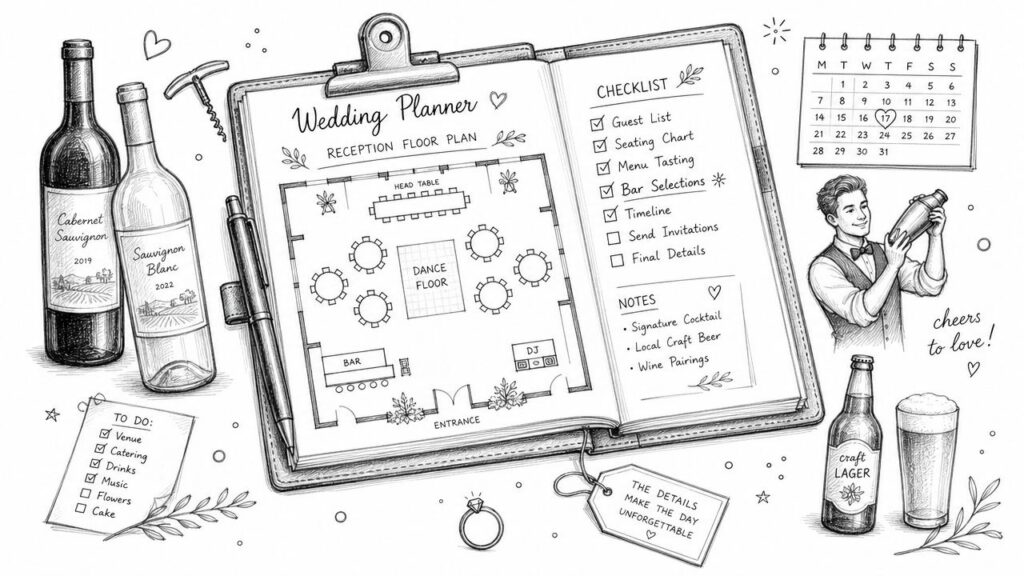
You're probably looking at a venue listing that says BYOB and thinking, good, we'll save money on the bar. Sometimes you will. Sometimes you won't. The difference comes down to one thing most couples miss: total beverage expenditure, not the alcohol purchase alone. That's where BYOB wedding planning goes sideways. Couples compare bottle prices but forget bartenders, insurance, ice, mixers, setup rules, delivery timing, storage, cleanup, and venue restrictions. Then the contract shows up and the “cheap bar” suddenly looks a lot less simple. I'm firmly pro-BYOB when the venue has a clean process and you understand the rules before you sign. I'm against it when the venue markets freedom but hands you a maze of operational requirements after the deposit clears. Good BYOB wedding venues give you control. Bad ones give you chores. Table of Contents What Exactly Are BYOB Wedding Venues BYOB is a policy family, not one single setup How to read the policy without getting burned The Pros and Cons of a BYOB Policy Why couples love it Why some couples regret it Navigating the Rules and Logistics of BYOB Approved bartenders are not a nuisance The hidden line items that change the budget What organized beverage service looks like Cost Comparison BYOB Venue vs All-Inclusive Bar Compare total beverage expenditure, not just alcohol Where BYOB actually saves money Where all-inclusive often wins The practical recommendation Your BYOB Wedding Planning Checklist and Timeline 12 plus months to 6 months out 3 months out to wedding week How Texas Old Town Perfects the BYOB Experience The venue solves the expensive problems Why the structure works Essential Questions to Ask Every BYOB Venue What Exactly Are BYOB Wedding Venues A BYOB wedding venue doesn't always mean you can haul in coolers, assign your cousin to pour wine, and call it done. In practice, BYOB usually means you provide the alcohol, while the venue controls how service happens. That distinction matters. A lot of confusion starts because venues use the same phrase for completely different operating models. One venue means true outside alcohol freedom. Another means you buy the alcohol, but only their approved bartending partner can touch it. Both get labeled BYOB. BYOB is a policy family, not one single setup Think of BYOB like airline tickets. “You booked a seat” doesn't tell you whether bags, seat selection, or flexibility are included. “BYOB” works the same way. Here are the models you'll run into: Full BYOB: You supply alcohol, mixers, bar tools, and often much of the service planning. Partial BYOB: The venue covers part of the beverage setup and you supplement specific items. Corkage fee model: Outside alcohol is allowed, but only with added per-bottle or per-guest charges. Preferred vendor list model: You bring alcohol or choose from approved supply channels, but the venue limits who serves it. The most common version today is structured BYOB. That means the venue gives you bar access, may allow broad alcohol choice, but requires insured professionals to manage service. That's the model I recommend most often because it keeps the control where it helps and removes the chaos where it hurts. Practical rule: If the venue says “BYOB,” your next question should be, “Who is allowed to serve it, store it, and clean it up?” How to read the policy without getting burned Don't rely on the venue listing headline. Read the alcohol clause in the contract and look for four things: Service rulesDoes the venue require approved bartenders, or can your caterer's team serve? Supply boundariesAre you bringing only alcohol, or also mixers, ice, garnishes, cups, and napkins? Timing rulesWhen can alcohol be delivered, unloaded, chilled, and removed? Fee triggersCorkage, bar setup, cleanup, security, trash handling, and insurance requirements all belong in writing. A strong BYOB policy is boring in the best way. It's specific, operational, and easy to price. A weak one sounds flexible until you start asking questions. The Pros and Cons of a BYOB Policy BYOB wedding venues can be smart. They can also be exhausting. The right fit depends less on your taste in wine and more on your tolerance for coordination. Why couples love it The upside is obvious first. You control the bar menu. If you want a Texas craft beer, a family-favorite tequila, a natural wine selection, or just a simple beer-and-wine setup, you can build that deliberately instead of buying a generic package. That control usually creates a better guest experience than couples expect. Guests notice when the bar feels personal instead of copied from a banquet menu. BYOB also helps couples avoid paying for beverage options they don't even want served. The less obvious advantage is decision clarity. With BYOB, you make intentional calls on bar style: Beer and wine only for a simpler, cleaner service flow One signature drink if you want personality without overcomplicating prep Full bar if your guest list expects variety and you're willing to manage the moving parts Why some couples regret it The downside is work. BYOB adds a planning category that many couples underestimate. Somebody has to count, order, transport, chill, restock, and remove everything connected to the bar. And no, “we'll figure it out later” doesn't work here. Beverage service breaks down fast when nobody owns the details. A BYOB bar succeeds because someone built a system for it. It fails when everyone assumes someone else is handling it. The other problem is emotional. Couples choose BYOB for freedom, then discover they've signed up to manage inventory on top of seating charts, catering, rentals, and family politics. If you hate logistics, BYOB can become a bad bargain. Here's the blunt version: Good fit for BYOB Bad fit for BYOB You want control over drink choices You want bar service fully handled You're comfortable comparing vendor rules You don't want to read fine print You have an organized planner or coordinator You're already overloaded You like transparent cost-building You prefer one packaged number BYOB is strongest when you treat it as a
Venues for 150 Guests: The Complete Sizing Guide

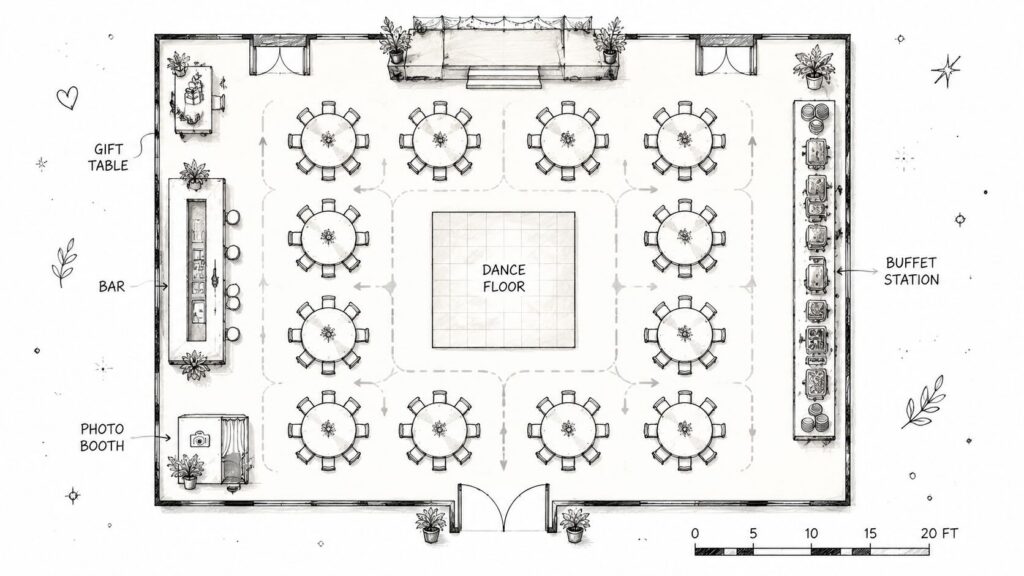
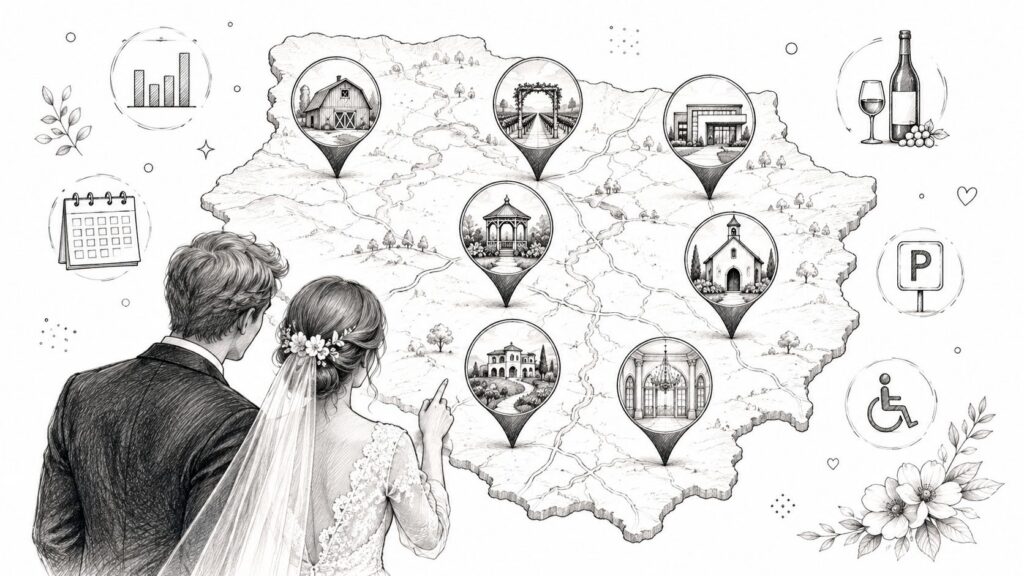
You're probably looking at a shortlist of venues for 150 guests and running into a common problem. The website says “capacity 150,” but when you stand in the room and imagine tables, chairs, a bar, a dance floor, and actual human beings moving around, it suddenly feels tight. That disconnect is common, and it's one of the biggest reasons venue searches get frustrating fast. A guest count of 150 still sits in a very practical middle ground. Wedding sizes have come down over time, with the average guest count settling at 117 in 2025, down from 184 in 2006, yet 150 remains a popular event size because it gives you room for a real celebration without pushing into very large-event logistics, according to The Knot tracking and market analysis summarized here. The challenge isn't finding places that claim to fit 150. It's finding one that works comfortably, prices fairly, and doesn't trap you with restrictive vendor rules after you fall in love with the photos. Table of Contents The Search for the Perfect 150-Guest Venue Decoding Venue Capacity for 150 Guests Why the posted number misleads people What to ask on a tour Essential Space Planning Beyond Seating The room is never just tables and chairs What comfortable flow looks like Ceremony and Reception Logistics to Consider Transitions matter more than decor suggests Why rental time changes the whole day Finding Venues with Transparent Pricing The base quote is rarely the real quote What an honest pricing conversation sounds like How Texas Old Town Serves 150-Guest Events A venue built for usable capacity, not just a posted number Flexibility matters once the guest list is fixed Your Final Venue Checklist and Questions to Ask Questions worth bringing to every tour Use the checklist before you compare aesthetics The Search for the Perfect 150-Guest Venue You tour a venue listed for 150 guests and, at first glance, it works. The room is empty. The light is good. The photos match the website. Then you start placing the event in the room instead of admiring the room itself. Where does dinner service go without blocking traffic? Can the bar handle a line without backing into guest tables? If rain forces the ceremony indoors, does the whole floor plan need to be rebuilt? Those are the questions that separate a room that can hold 150 from a venue that can host 150 well. That distinction matters more than many couples expect. A 150-person event sits in a demanding middle range. It is large enough to need real operational planning, but not so large that every venue built for bigger numbers will feel right. Plenty of spaces advertise this capacity because it sounds versatile. In practice, some of them only work at 150 if you cut the dance floor, shrink the buffet, bring in rentals, or accept a tighter guest experience than you wanted. I see this mistake early in venue searches. People compare style, location, and package price before they pressure-test how the day will function. That is usually where hidden costs start. A lower rental rate can turn expensive fast if the room needs extra tenting, off-site rentals, strict vendor restrictions, added flip time, or staffing to make the layout workable. Vendor flexibility also changes the math. A venue may fit your guest count on paper, but if you must use in-house bar service, a short preferred-caterer list, or limited setup windows, your options narrow quickly. For a 150-guest event, those restrictions affect timing, floor plan choices, and budget more than many listings admit. A venue search gets easier once you stop asking, "Does it sleep 150 on a brochure?" and start asking, "Can this property support 150 guests comfortably, with our vendors, our layout, and our backup plan?" Market demand still supports this guest count, as noted in this wedding venue market analysis. That makes sense. Around 150 guests is often the point where you can include both families and a solid friend group without stepping into the cost and complexity of a much larger ballroom event. The search feels harder than it should because venue listings compress too much into one number. Capacity rarely tells you what kind of 150 it is. Seated dinner? Cocktail reception? Indoor ceremony plus reception? A floor plan can look fine until you account for weather backup, service paths, entertainment, and the time vendors need to set and reset the room. If you are still narrowing the field, a practical screening guide like how to choose a wedding venue can save you from spending weekends touring places that were never going to work for your event in the first place. Decoding Venue Capacity for 150 Guests The most useful distinction in venue shopping is this one: legal capacity versus functional capacity. Legal capacity is what the building can permit. Functional capacity is what your event can comfortably support. Why the posted number misleads people The code math is only the starting point. According to the International Building Code guidance discussed here, seated events with tables and chairs require a minimum of 15 square feet per person. For 150 guests, that means 2,250 square feet just for seating. It does not account for a dance floor, bar, stage, buffet, DJ area, or service aisles. That's why planners often target 2,700 to 3,000 square feet of open space for a more comfortable 150-guest setup. Couples frequently encounter this challenge. A room can be legally compliant and still function poorly. Consider a parking lot. The lot may have enough marked spaces, but if the drive lanes are too narrow and every car backs up at the entrance, the experience still feels chaotic. Event rooms work the same way. Chairs may technically fit, but your event depends on movement, visibility, and spacing. What to ask on a tour Don't ask only, “What's your capacity?” Ask better questions. Ask for your layout type: Seated dinner, dancing, buffet service, indoor ceremony backup, and DJ setup all change usable capacity. Request

Top 7 Wedding Venues Central Texas: 2026 Picks

You've probably already done the frustrating part. You opened a dozen tabs, saved screenshots of oak trees and sunset ceremony lawns, and realized most venue pages tell you almost nothing about the parts that decide whether your day runs smoothly. Rental hours, vendor restrictions, cleanup, bar rules, indoor backup, and how far guests have to walk often matter more than the hero photo. That's why this guide focuses on practical fit, not just aesthetics. These are seven strong options for couples comparing wedding venues in Central Texas by style and logistics, with an eye on the details that change your budget and timeline. If you're also thinking about day-of attire alongside venue style, Dandylion Style wedding suits is worth a look. Table of Contents 1. Texas Old Town Why it works so well in practice Best fit and watch-outs 2. Camp Lucy Where Camp Lucy stands out The real trade-off 3. Ma Maison What planners like about it Who should skip it 4. The Addison Grove Why the setup window matters Where couples need clarity 5. The Arlo The budget advantage What to ask before signing 6. Canyonwood Ridge Where it stands out Who should ask harder questions 7. Villa Antonia Why couples choose it Where the limits show Top 7 Central Texas Wedding Venues Comparison Making Your Venue Choice with Confidence 1. Texas Old Town A couple wants Hill Country character, but they also want a wedding day that runs on time, gives vendors enough setup room, and does not force guests through awkward space changes. Texas Old Town usually makes the shortlist for that reason. On 55 acres in Kyle, it offers four separate halls with different capacities: Tejas for up to 320 guests, Sage for up to 300, Stone for up to 300, and Redbud for up to 150. That range matters in practice. A 140-person wedding feels very different in Redbud than it would in a hall built for more than 300. The strongest selling point is the operating model, not just the setting. Couples get exclusive 16-hour access from 8:00 a.m. to midnight, plus on-site venue management, cleanup, furniture breakdown, dressing suites, a prep kitchen, a built-in beverage bar, indoor and outdoor ceremony options, and Bluetooth-enabled PA with a wireless mic. Those inclusions cut down on rented labor, rushed vendor schedules, and last-minute work at the end of the night. Why it works so well in practice Long rental windows solve real problems. Hair and makeup can start without pushing photography behind. Florals and rentals can load in without colliding with catering. Family members are less likely to get pulled into setup because the clock is already working against the team. Texas Old Town is also easier to plan than venues that look flexible online but stay vague during the booking process. Furniture counts are documented. Parking is private and ample. The layout is accessible. Those details are not glamorous, but they are the details that keep a timeline from breaking on wedding day. Planner note: Ask whether cleanup and furniture breakdown are included by the venue team or billed through a separate staffing plan. That answer affects both budget and exit timing. For couples comparing Central Texas properties, this practical guide on how to choose a wedding venue based on policies and logistics is a useful checklist. It covers the questions that directly affect the planning workload, such as access hours, vendor rules, and backup plans. Best fit and watch-outs Texas Old Town fits couples who want room to customize the vendor team without taking on a full DIY venue. You can bring your own caterer and work from a preferred vendor list, which gives more control than an all-inclusive property. That flexibility is a real advantage if food is a priority or if the couple already has trusted vendors. The trade-off is that flexibility creates a few extra decisions. Exact pricing requires a direct quote, so comparison shopping takes more effort than it does at venues with a public rate sheet. The BYOB structure can save money, but it also adds a coordination step because couples still need approved bartending service and a clear alcohol plan. The short version: Best for fit: Four halls give couples a better chance of matching the room to the guest count and wedding style. Best for timeline control: A 16-hour rental window gives vendors and the wedding party more breathing room than many competing venues. Best for practical inclusions: Dressing suites, prep kitchen, parking, cleanup support, and built-in audio reduce outside rentals and staffing pressure. Watch-out: Pricing and date-specific costs require an inquiry. Watch-out: Couples who want a fully in-house bar package may prefer a different venue model. 2. Camp Lucy Camp Lucy works best when the wedding is really a weekend. If you want guests to stay on-site, move between ceremony and reception spaces, and treat the event as a full destination-style experience, it's one of the strongest names in the Dripping Springs market. The property offers multiple distinct settings, including chapel, oak grove, vineyard, and indoor event spaces, plus lodging and restaurant amenities. That versatility is its biggest appeal. A couple can choose a more formal ceremony setting and still host a different-feeling welcome party or brunch without leaving the estate. For families with a lot of out-of-town travel, that consolidation can simplify the entire weekend. Where Camp Lucy stands out Camp Lucy gives couples several aesthetics on one property, which is rare to find executed at a high level. It's also easier to coordinate a multi-event celebration when lodging is already integrated into the venue ecosystem. That's a practical benefit, not just a luxury one. For couples still sorting out what matters most during tours, this guide on how to choose a wedding venue asks the right practical questions about fit, policies, and logistics. A large venue campus can feel effortless to guests and complicated to vendors at the same time. Ask where each event actually happens and how people move between spaces.

Top Quinceañera Venues San Antonio for 2026

Finding the perfect stage for her big day starts the same way for most families. You have a date in mind, a guest list that keeps changing, a vision board full of dresses and décor, and a growing suspicion that the venue decision will shape everything else. That instinct is right. The room size affects the court presentation, the rental window affects hair, photos, and setup, and the vendor rules affect your budget more than most families expect. For quinceañera venues in San Antonio, the range is wide. San Antonio listings include spaces for intimate events around 50 guests and large banquet halls that can handle up to 800 guests, including venues such as El Agavero by Liz's Events, Plaza San Antonio Hotel & Spa, and Rancho La Mission, according to San Antonio Quinceañera reception hall listings. That gives families options, but it also creates noise. A beautiful ballroom can still be the wrong fit if the access window is too short or the venue only works with a narrow vendor list. This guide keeps the focus on what matters when you're comparing venues. Capacity, rental hours, logistics, and how much coordination the venue absorbs versus how much your family has to manage. If your event includes bilingual guests or vendors, planning also gets easier when you think early about communication support such as multilingual event interpreting. Table of Contents 1. The Emporium by Yarlen What stands out 2. Las Fuentes Banquet Hall Best fit 3. Red Oak Ballroom San Antonio North Park 4. Garcia Event Centers What to confirm before booking 5. BlueWing Ballroom Who benefits most 6. La Hacienda Ballroom Trade-offs to weigh 7. Texas Old Town A Hill Country Quinceañera Escape San Antonio Quinceañera Venues, 7‑Venue Comparison Choosing the Venue That Tells Her Story 1. The Emporium by Yarlen The Emporium by Yarlen works well for families who want a polished ballroom and hands-on guidance instead of a blank room they have to build from scratch. It presents itself as a venue that understands quinceañeras specifically, which matters more than people realize. A ballroom can look elegant online and still struggle with court flow, grand entrance timing, or family-style planning communication. The biggest draw here is service style. Family-owned venues that actively market to quinceañeras often do a better job walking parents through decisions in plain language, especially when multiple relatives are helping make choices. The bilingual team is also a practical advantage, not just a nice extra. What stands out The venue offers multiple banquet rooms, private parking, and a gallery-forward planning experience that helps families visualize the event before signing. That visual process tends to reduce confusion around layout and décor expectations. If your family is comparing themes, throne placement, cake table position, or dance floor use, that kind of guidance saves time. There's also a sister-property advantage. If your preferred date disappears or you need a backup option, families can also review where to host a daughter's quinceañera for broader planning ideas while considering alternate-date flexibility through related venue options. Practical rule: If a venue doesn't publish pricing, ask for the full list of inclusions before the tour ends. Don't leave with only a room quote. A fair caution applies here. Premium presentation often means the venue won't compete with bare-bones halls on entry price, and public pricing isn't laid out in detail online. For some families, that's worth it because they want a venue team to help shape the whole experience. For others, especially families with strong outside vendor relationships, the first question should be how flexible the package structure really is. 2. Las Fuentes Banquet Hall Las Fuentes Banquet Hall makes sense for families who want room to spread out without leaving San Antonio. Its positioning is different from a downtown ballroom. The appeal here is the indoor and outdoor flow, beautiful grounds, and campus feel that softens the usual banquet-hall look. For a large quince court, this matters. Families often underestimate how crowded a ballroom can feel once you add a sweetheart setup, cake display, DJ, buffet or catering flow, photo booth, and family tables. A venue that gives guests breathing room usually runs more smoothly from arrival through the final dance. Best fit Las Fuentes is designed for events in the roughly 100 to 400 guest range. That makes it a practical middle ground for families who know a small hall won't work but don't want to pay for a massive ballroom they won't fill. The package-driven approach can also simplify decision-making if you want preferred vendors lined up instead of sourcing every service independently. A lot depends on your planning style. Choose Las Fuentes if you want structure: Preferred vendors and package framing reduce the number of separate contracts your family has to manage. Think twice if you want full DIY control: Venues built around preferred partners can limit flexibility on catering, décor, or entertainment choices. Use the grounds strategically: Indoor and outdoor areas help with portraits, cocktail-style transitions, and giving older relatives quieter space away from the dance floor. Families considering both city ballrooms and destination-feel properties may also want to compare quinceañera venues near Austin and San Antonio that match the moment to see whether a scenic setting justifies extra travel. What I like about this type of venue is that it can feel substantial without looking corporate. What I'd verify before booking is vendor policy detail. “Simple packages” can be a plus, but only if the package contents align with what your family wants. 3. Red Oak Ballroom San Antonio North Park A common quince planning problem looks like this. The guest list is too large for a boutique hall, but the family still wants clear operating rules before paying a deposit. Red Oak Ballroom San Antonio North Park stands out because it publishes the details families usually have to chase down by phone. The layout gives you two size lanes to work with. Ballroom A is listed at about 4,200 square feet with capacity

Top 7 Texas Country Wedding Venues for 2026

You book a venue because the ceremony site looks great at golden hour. Two weeks later, you are asking the questions that actually shape the wedding day. How long do you have the property? What is the rain plan? Which vendors are required, and which ones can you bring in yourself? How many rentals do you need before the room feels finished? Those details decide whether the day feels organized or rushed. In Texas, couples have a lot of country venue options, but the right choice usually comes down to operations, not just appearance. A beautiful property can still create problems if load-in is tight, the backup ceremony space feels like an afterthought, or the pricing leaves out basic pieces you assumed were included. That is the lens for this roundup. It compares seven Texas country wedding venues based on the planning points couples often miss on the first tour: rental hours, vendor flexibility, weather coverage, and pricing clarity. Texas Old Town gets special attention because it is a useful example of how venue amenities can remove common planning headaches before they become budget or timeline problems. Couples considering a barn setting can also review these barn weddings in the Texas Hill Country with rustic charm and modern elegance at Texas Old Town to get a clearer sense of how style and function can work together. If you're still collecting ideas for your overall look, these charming rustic wedding accents can help you translate the venue style into your décor choices. Table of Contents 1. Texas Old Town Why planners keep coming back Where it solves real planning problems 2. Camp Lucy Best fit 3. Ma Maison What stands out 4. The Addison Grove Where it works best 5. Canyonwood Ridge Why it works for cautious planners 6. Gruene Estate Who should book it 7. Hayes Hollow at Hidden Falls Operational trade-offs 7-Point Comparison: Texas Country Wedding Venues From Venue Search to We Do 1. Texas Old Town You feel venue pressure fastest on the wedding morning. Hair and makeup are setting up, rentals are arriving, a florist needs cooler access, family wants early photos, and the catering team is asking where they can stage. Texas Old Town earns its place on venue shortlists because the property is set up to handle that real schedule, not just the ceremony and reception photos. Texas Old Town has four separate halls on one Hill Country property in Kyle, which gives couples useful range in guest count and layout. Tejas holds larger weddings, Sage and Stone work well for mid-size events, and Redbud is the smaller option for a more contained celebration. That variety matters. A country venue only works when the room fits the guest list and the event never feels swallowed by empty space or cramped at dinner. The bigger operational advantage is the rental window. Couples get 16-hour exclusive access, from 8:00 a.m. to midnight. In practice, that extra time protects the timeline in ways couples usually do not notice until they compare contracts side by side. Vendors can load in without fighting the glam schedule, portraits can happen before guests arrive, and cleanup does not have to start while the last dance is still going. Why planners keep coming back This venue solves a lot of common Hill Country problems before they become problems. Outdoor ceremony sites give couples the setting they want. Climate-controlled halls give them a workable backup when weather turns, and in Central Texas, that matters in every season. Spring storms, summer heat, and winter wind can all change a plan fast. The included infrastructure is also strong where it counts. Dressing suites help keep the morning organized. Indoor and outdoor PA systems, Bluetooth capability, and a wireless mic reduce the need to rent basic audio separately. Built-in beverage bars, a prep kitchen with a separate service entry, documented furniture counts, and on-site event management with cleanup and furniture breakdown included all make the day easier to run. Couples also get more vendor flexibility than they do at many venues in this category. Any caterer is allowed, which is useful for multicultural menus, family-style service, or couples who already have a trusted catering team. At the same time, the venue maintains a curated vendor list for couples who want options that have already worked on site. If you want a clearer sense of how the venue blends rustic architecture with a more finished event experience, their feature on barn weddings in the Texas Hill Country with modern amenities is a helpful reference. Practical rule: A venue should give your vendors enough time, access, and built-in support to keep the day on schedule. Where it solves real planning problems Pricing clarity is another reason planners keep recommending it. Quotes include sales tax and gratuity, which makes budget comparisons cleaner and cuts down on the usual surprise line items that appear late in the booking process. Payment plans are available too, which can help couples protect cash flow while they are still booking photography, catering, and entertainment. There are trade-offs, and they are manageable if you ask about them early. The beverage setup is BYOB, but hosts must use an approved bartending company. That can keep bar service organized and often helps with compliance and insurance, but it is still one more vendor decision to make. The venue also does not post a single flat online package price, so serious budget shoppers should ask for a detailed quote before they fall in love with a specific hall. For couples comparing Texas country wedding venues, this is the kind of property that makes life easier after the contract is signed. It gives you indoor and outdoor flexibility, enough access time to build a realistic timeline, and venue policies that leave room for personal choices without creating chaos on the wedding day. 2. Camp Lucy Camp Lucy works best for couples who want the wedding to feel like a weekend experience instead of a single event. It has the

Best Wedding Venues Near San Antonio: 2026 Guide

You get engaged, open a dozen tabs, and within an hour every wedding venue near San Antonio starts to blur together. The photos are gorgeous. The practical distinctions are not. What matters is how each venue handles rain, parking, vendor rules, setup time, noise limits, guest flow, and the budget surprises that show up after you sign. That is the filter for this guide. Pretty matters, but logistics decide whether your wedding feels calm or stressful. Some venues are better for couples who need flexibility. Some work best for a tight guest experience with everything in one place. And some are easier to plan because they reduce the number of decisions you have to manage. Texas Old Town stands out for that reason. It gives couples near San Antonio a Hill Country setting with practical advantages that make planning simpler, especially if you want room to customize without building the entire day from scratch. If you are still sorting out priorities, this guide on choosing the right Texas Hill Country wedding venue is a smart place to start. The sections below are built to help you shortlist faster. Each venue is framed as a solution to a specific planning problem, so you can choose based on budget, timeline, vendor freedom, and guest experience, not just the photos. Table of Contents 1. Texas Old Town Why Texas Old Town solves the biggest planning headaches Best fit 2. Kendall Point Where Kendall Point shines Best fit 3. Lost Mission What couples are really choosing here Best fit 4. Signia by Hilton La Cantera Resort & Spa Why resort weddings work Best fit 5. Hyatt Regency Hill Country Resort & Villas The guest experience advantage Best fit 6. San Antonio Botanical Garden What to watch before you book Best fit 7. McNay Art Museum Why this venue is different Best fit Comparison of 7 San Antonio Wedding Venues Take the Next Step From Shortlist to I Do 1. Texas Old Town You tour a venue, fall for the view, and only later find out the rental window is tight, the vendor rules are strict, and the final invoice climbs fast. Texas Old Town avoids that trap. For couples looking at wedding venues near San Antonio, it solves the planning problems that usually show up after the tour, not just the ones that look good in photos. The venue sits in Kyle on 55 acres, and that extra breathing room helps. You get four separate private halls, Tejas, Sage, Stone, and Redbud, with capacity options that work for both midsize and larger weddings. That makes guest count easier to match to the room, which is one of the simplest ways to improve flow, noise level, and overall comfort. Why Texas Old Town solves the biggest planning headaches Start with time. Texas Old Town gives you exclusive 16-hour access from 8:00 a.m. to midnight. That is a real operational advantage, especially for outdoor weddings where weather changes, setup delays, and ceremony timing can throw off the day. A long rental window gives your planner, caterer, florist, and photo team enough room to do their jobs without compressing your schedule. Practical rule: A beautiful venue with a rushed timeline still feels rushed. Pricing is another reason this venue belongs near the top of the list. Many couples get into trouble when the base rate looks reasonable but service charges, gratuity, and other fees show up later. Texas Old Town's quoted price includes sales tax and gratuity, which makes the budget easier to build from the start and easier to defend when family starts asking what everything costs. Vendor flexibility is the third big win. You can choose your own caterer, bring your own beverages with an approved bartending company, and use preferred vendors or your own team. That matters for couples with strong food priorities, cultural catering needs, or a vendor lineup they already trust. Personalized payment plans also help when you want more control over cash flow during the planning process. The trade-off is simple. You do more decision-making yourself. There is no in-house catering package doing all the choosing for you, and BYOB means bartending needs its own line item and coordination. For many couples, that is a good trade because it keeps quality, budget, and guest experience in your hands. Best fit Texas Old Town is ideal for couples who care more about clear pricing, a long rental window, and vendor freedom than an all-in-one in-house package. Choose Tejas, Sage, or Stone for a standard-to-large guest count and a layout that does not feel cramped. Choose Redbud for a smaller wedding that still feels intentional, not like you rented too much room. Choose Texas Old Town first when your biggest planning concerns are budget clarity, setup time, and the freedom to build your own vendor team. 2. Kendall Point Kendall Point works for couples who want a purpose-built wedding estate, not a general event space trying to do weddings on the side. It sits about half an hour from downtown San Antonio and delivers the polished Hill Country look many couples want: southern-style architecture, a dedicated ballroom, outdoor ceremony options, and a private lake backdrop for photos. Its biggest strength is how “wedding-ready” the property feels. You've got getting-ready suites, covered verandas for weather flexibility, and planning resources that help couples understand the flow before they ever tour. That's useful if you're still deciding what kind of venue support you need. Where Kendall Point shines Kendall Point is a strong choice when you want elegance without a downtown hotel feel. The venue photographs well on its own, which can reduce how much décor you feel pressured to add. For couples who want a classic, estate-style wedding with a structured planning process, that's a solid value even when exact pricing isn't posted publicly. Good venue planning starts with traffic flow, not floral mood boards. The main drawback is the same one I warn couples about often: when rates aren't fully public, you need

Unique Texas Wedding Venues: Top Picks for 2026

Beyond the ballroom, finding a Texas venue with true character usually starts the same way. You open a dozen tabs, scroll past chandeliers, beige carpet, generic draping, and hotel ballrooms that could be anywhere. After a while, every venue starts to look polished but interchangeable, and that's when couples begin asking the better question. Not “What's available?” but “What actually feels like us?” That's where unique Texas wedding venues earn their keep. The right one doesn't just look good in photos. It solves planning problems, supports your timeline, fits your guest list, and gives your wedding a sense of place. In the Hill Country and along the Austin to San Antonio corridor, that often means balancing scenery with weather backup, vendor freedom with venue rules, and style with practical access. This guide gets to the point. These are seven standout venues with real personality, from a treetop ceremony setting to museum gardens and resort-style estates. If you're also building a wedding design around native textures and regional plants, this read on insights for Texas plant enthusiasts can help you think beyond standard floral formulas. Table of Contents 1. Texas Old Town Why it works so well in practice Best fit and real trade-offs 2. Cypress Valley Who should book it 3. The Greenhouse at Driftwood What it solves for couples 4. Gruene Estate Where it shines and where to be careful 5. The Contemporary Austin Laguna Gloria The planning reality 6. Camp Lucy Sacred Oaks and sister venues Ideal couple and likely friction points 7. UMLAUF Sculpture Garden + Museum Best use of the space Unique Texas Wedding Venues, 7-Point Comparison How to Choose the Right Unique Venue for You 1. Texas Old Town A common planning problem shows up early. One partner wants Hill Country scenery, the other wants a reception space that feels more polished than rustic, and nobody wants to rebuild the guest experience from scratch just to get a different look. Texas Old Town solves that better than most properties because it operates as one wedding campus with four distinct halls in Kyle. The setting spans 55 acres at Texas Old Town, but its true benefit lies in how that space functions on a wedding day. Guests are not funneled into a tight parking situation. Photos do not feel repetitive after the ceremony. Events also maintain more privacy because the halls are spread out enough to avoid the crowded, back-to-back feel that can happen at multi-event properties. Why it works so well in practice The strongest planning advantage is time. Texas Old Town gives couples exclusive 16-hour access from morning through midnight, which changes the pace of the day in a practical way. Hair and makeup teams can start without compressing the whole timeline. Floral crews have more setup room. Family portraits are easier to schedule without cutting deep into cocktail hour. If you have ever watched a short rental window create stress for vendors, parents, and the couple all at once, you know how useful that extra margin is. The four halls also make this venue unusually flexible. Tejas suits couples who want a true Texas dance hall character. Redbud fits smaller celebrations that still need warmth and personality. Sage and Stone work better for couples who want Hill Country views paired with interiors that read cleaner and more refined. That is the reason this property deserves a closer look than a standard venue roundup usually gives it. The question is not only whether it is pretty. The question is which hall matches your guest count, design direction, and service style without forcing expensive workarounds. Planners also notice the operational details right away. Dressing suites with private restrooms help the morning stay organized. Indoor and outdoor PA systems, Bluetooth hookup, and a wireless mic reduce rental gaps for ceremony and reception audio. A prep kitchen with separate service access keeps catering traffic out of guest areas. On-site management, furniture counts, cleanup, and furniture breakdown remove several end-of-night problems that often fall back on family or vendors. For outdoor ceremony planning, their guide to outdoor wedding ceremony tips in Texas weather is worth reviewing before you lock a timeline. Couples who are still comparing options can also use Texas Old Town's guide on how to choose the perfect wedding venue in Texas. Best fit and real trade-offs Texas Old Town is a strong fit for couples who want flexibility without giving up structure. You can choose your own caterer, which matters if your menu is tied to family expectations, cultural traditions, or a very specific food standard. The bar setup is more controlled. Couples provide the beverages, and service must go through an approved bartending company. That is a reasonable system for liability and service consistency, but it adds a coordination step and should be priced early. Pricing is handled in a way many couples appreciate once they start comparing proposals. Quotes include sales tax and gratuity, which makes side-by-side budgeting more honest. The trade-off is that there is no one-size-fits-all public rate sheet that tells you everything upfront. You need a custom quote based on your date and plan. Best for: Couples who want one venue brand with multiple style options, a long rental window, and freedom to choose key vendors. Less ideal for: Couples who want a fully all-inclusive package with very few planning decisions. What problem it solves: It gives you venue personality choices without changing location, guest logistics, or the underlying operating system. 2. Cypress Valley Some venues are memorable because they're beautiful. Cypress Valley is memorable because guests talk about it afterward like they visited a hidden retreat. Located in Spicewood, it's built around old-growth cypress, a spring-fed ravine, and a treetop ceremony setting that feels unlike anything in a standard venue rotation. This is the kind of place that works best when a couple wants the environment to do most of the aesthetic work. You don't need to over-style it. The site already gives you atmosphere, and that's part

7 Scenic Wedding Venues in Central Texas for 2026

You fall in love with a venue at 10 p.m. on Instagram. By the first planning call, practical questions show up fast. How many hours are included, when vendors can load in, whether you have to use the in-house bar, what happens if the ceremony lawn is too wet, and whether the indoor backup space still feels like a wedding instead of a compromise. In Central Texas, those details shape the day as much as the view. Heat, wind, sudden rain, uneven ground, and long guest shuttle routes can turn a beautiful property into a hard event to run if the logistics are weak. I always tell couples to judge scenic wedding venues on two tracks at once. The backdrop has to photograph well, and the venue has to function well under pressure. That is the lens for this list. These Central Texas venues stand out for their setting, but the primary goal is to help you compare rental hours, vendor flexibility, weather contingency plans, parking, and flow from ceremony to reception. Those are the choices that affect setup time, catering performance, guest comfort, and whether the night feels calm or rushed. If you are building a shortlist, use this as a planner-minded starting point and pair it with ways to improve your wedding photography once the venue is locked. Table of Contents 1. Texas Old Town Why planners like the logistics Best fit and trade-offs 2. Camp Lucy 3. Ma Maison What to verify before you book 4. Pecan Springs Ranch Where this venue works best 5. The Addison Grove Best use case 6. The Greenhouse at Driftwood Best use case 7. Chapel Dulcinea How to make this venue work Top 7 Scenic Wedding Venues Comparison Choosing Your Perfect Texas Backdrop 1. Texas Old Town A wedding day gets tight fast when hair and makeup run late, the florist is waiting on table access, and the indoor backup plan turns out to be a cramped side room. Texas Old Town stands out because it gives planners more room to solve those problems before they become expensive ones. In Kyle, the 55-acre property includes four separate venues, Tejas, Sage, Stone, and Redbud, so couples can choose a layout that fits their guest count, ceremony plan, and reception flow instead of forcing one format onto every event. The planning advantage starts with time. Texas Old Town offers a 16-hour rental window from 8:00 a.m. to midnight, which changes the pace of the day in a very practical way. Vendors can load in earlier, first-look photos do not have to compete with setup, and cleanup is less rushed at the end of the night. Couples comparing venues can use this wedding venue selection guide from Texas Old Town as a starting checklist, but the key question here is simple: how much schedule pressure do you want to absorb on your wedding day? Why planners like the logistics Texas Old Town is planner-friendly because the core event pieces are already accounted for. Each venue includes an outdoor ceremony site with seating, an indoor climate-controlled hall, dressing suites, indoor and outdoor PA systems with Bluetooth and a wireless mic, a prep kitchen with a separate vendor entrance, on-site management, and post-event cleanup with furniture breakdown. Those details matter more than the photo gallery. They affect whether the caterer can work efficiently, whether guests can hear the ceremony, and whether a weather shift causes a minor adjustment or a full timeline rewrite. A few operational points stand out: Rental hours: Sixteen hours gives the vendor team enough working time to set, photograph, celebrate, and strike without compressing everything around the ceremony. Vendor flexibility: Couples can bring in their own caterer, which helps with cultural menus, dietary needs, and budget control. Weather contingency: The indoor ceremony option is usable as part of the event plan, not a last-minute compromise. Setup accuracy: Clear furniture counts and venue specs make floor plans easier to draft correctly before wedding week. My rule with any scenic venue is straightforward. Ask to see the rain plan with your actual guest count, not an idealized version on a sales sheet. Best fit and trade-offs The four-hall setup gives Texas Old Town a practical edge for couples who want scenery without losing operational control. Tejas accommodates larger events, up to 320 guests. Sage and Stone each host up to 300. Redbud is the more intimate option, with capacity up to 150. That spread makes it easier to match the space to the wedding instead of paying for a room that feels either overcrowded or half-empty. There are trade-offs. Pricing is not listed as a simple flat rate online, so couples should expect to ask direct questions during the tour. The bar setup also requires one more decision point. Couples provide the alcohol, and service is handled by an approved bartending company. Some couples like that control. Others would rather have one in-house package and fewer moving parts. One budget note works in its favor. The quoted price includes sales tax and gratuity, which makes cost planning cleaner than venues that look reasonable at first and then add fees across the contract. 2. Camp Lucy A couple checks in on Friday, hosts a welcome dinner that night, gets married on Saturday, and closes the weekend with brunch on Sunday. Camp Lucy is built for that format. It works best for weddings where the venue needs to do more than provide a pretty ceremony backdrop. The advantage is operational. On-site lodging cuts shuttle complexity for at least part of the guest list. Multiple event spaces make it easier to separate the ceremony, cocktail hour, reception, and after-party without asking guests to change properties. For planners, that usually means fewer transportation gaps, fewer late arrivals, and a cleaner timeline overall. Camp Lucy also suits couples who want a polished venue system instead of a fully custom build. Food, service, and guest flow are more structured here than at properties that hand you a blank slate

7 Top DIY Venue Choices in the Texas Hill Country

You tour a venue expecting creative freedom. Then the coordinator explains that you can choose your florist, but the bar has to use their package, setup starts later than you need, and cleanup has to be finished before the night is over. That is the moment most couples realize DIY can mean very different things from one property to the next. For wedding planning, DIY usually works best as design it yourself, not do every job yourself. The strongest options give you room to choose your vendors, shape the guest experience, and personalize food, drinks, and decor, while still giving you enough structure to keep load-in, rain backup, and end-of-night breakdown under control. That balance matters in the Texas Hill Country. Couples often want outdoor ceremony photos, a reception space with character, and a backup plan that does not feel like an afterthought. Vendor rules, rental windows, BYOB policies, and day-of support often have more impact on your stress level than the view alone. If you want a clearer picture of what that balance can look like, this guide to DIY wedding venues near Austin with personalized flexibility is a useful reference point. The venues in this roundup are not all DIY in the same way. Some give you broad vendor freedom with more logistics to handle. Others narrow a few choices but make the event easier to run. That is the comparison worth making before you book. Table of Contents 1. Texas Old Town Why it works for design it yourself events Best fit 2. Prima Vista Where Prima Vista lands on the DIY spectrum 3. San Antonio Glasshouse Who should book it 4. Rancho Milagros 5. Hummingbird House Where it shines 6. Enchanted Ranch Best use case 7. Williams Grove 7-Location DIY Venue Comparison Making Your DIY Venue Choice Key Questions to Ask 1. Texas Old Town A couple wants to choose their own caterer, bring in their own design team, and still avoid turning the wedding day into a loading dock exercise for relatives. Texas Old Town is one of the better answers to that brief because it gives you room to design the event your way without stripping out the infrastructure that keeps the day on schedule. The property has four separate halls on one Kyle campus, with guest counts that cover both moderate and larger celebrations. That flexibility matters for couples still deciding how big the day should feel, or for anyone comparing ceremony and reception flow across different room sizes instead of forcing one vision into one fixed layout. The grounds, outdoor ceremony areas, water features, and built-in indoor backup also make it easier to plan for weather and guest comfort from the start. Why it works for design it yourself events Texas Old Town fits the "design-it-yourself" end of the DIY spectrum better than the "start from scratch" end. You keep meaningful creative control, but the venue already covers operational basics that often get missed during early planning: furniture counts, dressing suites, a prep kitchen, indoor and outdoor PA systems, parking, and an on-site venue manager for event-day oversight. Clean-up and furniture breakdown are included too, which saves couples from assigning late-night teardown to family or the wedding party. The 16-hour rental window, from 8:00 a.m. to midnight, is one of its strongest practical advantages. Long access changes the whole setup plan. Florals can arrive without colliding with catering. Rentals can be placed before guests start filtering in. Hair and makeup, photography, and ceremony setup all get breathing room. That is usually the difference between a DIY-style wedding that feels personal and one that feels rushed. Texas Old Town also makes clear trade-offs instead of hiding them inside a glossy "all-inclusive" label. Couples can choose their own caterer, which preserves a lot of budget and style control. The bar follows a structured BYOB model through an approved bartending company. That is not total alcohol freedom, but from a planning standpoint it is often a smart middle ground. You still control what is served, while staffing, service standards, and compliance stay in professional hands. Pricing transparency is another plus. Quotes include sales tax and gratuity, so couples are less likely to get surprised by end-stage add-ons that distort the budget after they have already committed. For anyone comparing flexible venues in Central Texas, the venue's guide to DIY wedding venues near Austin and personalized weddings in Kyle gives a useful look at how they frame customization versus built-in support. Best fit Texas Old Town is a strong fit for couples who want to choose vendors, shape the look of the day themselves, and still rely on the venue for the hard logistics. It works especially well for events where indoor-outdoor flow matters and where setup timing could get tight in a shorter rental. The main drawback is straightforward. You have to inquire for exact pricing, so it is not the best option for couples trying to compare final numbers from a quick website scan alone. The BYOB structure also adds one coordination point on the bar side, which some couples will see as helpful guardrails and others will see as one more vendor decision. 2. Prima Vista Prima Vista sits in a practical middle ground. It isn't a bare-bones diy venue, and that's a good thing for many couples. You still get vendor freedom, but the property includes enough support to reduce the vendor stack you have to build from scratch. Near Wimberley, it offers a 12-hour private access window, indoor space, a covered ceremony pavilion, a sunset deck, tables and chairs, and a professional DJ. That package makes sense for couples who want to personalize food, bar, and styling but don't want to source every operational piece themselves. Where Prima Vista lands on the DIY spectrum Prima Vista allows BYOB with a required TABC-certified bartending partner and permits outside insured vendors. That's a healthy balance. You keep control over the drink menu and most vendor choices, but alcohol service still runs through

How to Choose a Wedding Venue: A Complete 2026 Guide

The first week after an engagement usually feels like a blur. You celebrate, call family, save inspiration photos, and then the practical question lands hard: where is this wedding going to happen? That question carries more weight than most couples expect. The venue shapes the budget, the guest count, the timeline, the catering options, the weather backup plan, and the overall feeling of the day. It even influences smaller style decisions, from florals to footwear. If you're planning an outdoor ceremony or a property with uneven paths, it helps to think about comfort early, including details like luxury wedding sandals that make sense for grass, stone, or long photo sessions. The good news is that choosing a venue doesn't have to feel like guesswork. It works better when you treat it like a decision with a clear order: define what matters, filter hard, tour carefully, and read the contract with a skeptical eye. Table of Contents From 'Yes' to the Perfect 'I Do' Location Defining Your Wedding Vision and Budget Start with three priorities Build a budget around real trade-offs Finding and Shortlisting Potential Venues Build the long list the smart way Filter for the issues that actually affect the day The Venue Tour What to Look For and Ask Look past the pretty parts Questions that expose cost and stress points Decoding Contracts and Avoiding Costly Red Flags What should be itemized in writing Contract language that deserves a pause Special Considerations for a Central Texas Wedding Weather, travel, and property layout Frequently Asked Questions About Choosing a Venue What if our guest count changes after booking What payment terms should we expect How should we use a preferred vendor list From 'Yes' to the Perfect 'I Do' Location Most couples start with aesthetics. They want the hill country view, the candlelit hall, the oak trees, the big doors, the modern barn, the garden ceremony. That's normal. The mistake is stopping there. A venue is not just a backdrop. It's the operating system for the wedding day. If the site is gorgeous but hard to reach, too tight for your guest flow, restrictive about vendors, or rushed on timing, you'll feel those problems from setup through cleanup. Couples often realize this only after they've toured a few places and noticed that the prettiest option isn't always the easiest one to use. Choose the venue that supports the wedding you want to host, not just the photos you want to post. The strongest decisions usually come from couples who can answer three things before they book anything: what the day should feel like, what the guest experience should be, and what financial line they won't cross. Once those are clear, the field narrows fast. That shift changes the search. Instead of asking, "Do we love this place?" ask, "Can this place carry our wedding without creating avoidable cost, pressure, or compromises?" That's how you get from a hundred saved tabs to one confident yes. Defining Your Wedding Vision and Budget Before you book tours, decide what you're trying to create. Couples who skip this step tend to compare venues on vibe alone, and that usually leads to expensive confusion later. Start with three priorities Write down your top three priorities. Keep them practical, not aspirational. For most couples, those priorities fall into these buckets: AtmosphereDecide whether you want natural scenery, formal architecture, rustic character, or a clean modern look. A venue with strong built-in character can reduce how much you need to spend on décor because the setting is already doing part of the work. Guest experienceThink beyond the ceremony. Guests need a comfortable arrival, clear flow between spaces, enough room to mingle, and a plan that doesn't leave them standing in heat, wind, or confusion. BudgetSet a venue ceiling before you fall in love with a property. This keeps the rest of your planning realistic. A lot of couples do a version of this instinctively. The better approach is to put it in writing and rank it. If atmosphere is first but guest convenience is second and budget is third, that tells you how to handle trade-offs. If budget is first, you need to be even stricter about what's included and what restrictions may add cost later. One practical way to ground this conversation is to revisit your original engagement decisions. The same clarity that helps with ECI Jewelers' ring selection advice helps here too. You don't pick a ring well by looking at everything. You pick it by defining what matters most. Build a budget around real trade-offs The venue is usually the largest line item. Couples in the United States allocate approximately $12,000 to their wedding venue, representing roughly 40% of their total wedding budget, and the average total wedding cost is projected to reach $36,000 in 2025 according to wedding industry statistics for 2024 and 2025. That number matters because it forces discipline early. If the venue takes too much of the budget, every later decision gets tighter. Catering gets squeezed. Florals get cut. Transportation becomes harder. Guest count starts shifting in stressful ways. Use this quick planning filter before you search: Priority area Question to answer now Why it matters Style Do you want built-in charm or a blank canvas? Built-in character can reduce décor pressure Capacity What's your realistic guest count, not your hopeful one? Capacity affects price and comfort Spending What's the full venue ceiling, including likely add-ons? Prevents emotional overspending Practical rule: If your guest list is still fluid, build the first venue search around the highest realistic count, not the lowest hopeful one. A good venue budget isn't just a rental number. It's a decision about value. Some venues cost more upfront and include enough infrastructure to simplify planning. Others seem affordable at first but require more décor, more rentals, more staffing, or more compromises. That's why couples who know how to choose a wedding venue don't focus on sticker price alone. They look at what the property makes easier,

Scroll to Top